What is syndromic STI management and why are kits used?
Syndromic case management identifies a group of symptoms and signs, then treats likely causes using a standard algorithm. It is useful when organism-specific testing is unavailable or results cannot guide immediate treatment. Urethral discharge is a syndrome; gonorrhoea is an organism-specific diagnosis. The distinction explains why a discharge regimen may cover more than one pathogen.
Pre-packed kits simplify dispensing and improve consistency with a programme algorithm. A colour is a shortcut to the selected syndrome and package, not a diagnostic test. The classic seven-colour Indian scheme below is verified against the NHM-hosted operational guideline published in May 2011. Its contents are presented as an exam-reference scheme, with newer guideline interpretation discussed separately.
A syndromic approach still requires history and examination. It does not mean handing out a kit without excluding pregnancy, surgical emergencies, significant allergy or severe infection. Nor does it identify asymptomatic infection reliably. Laboratory testing, where available, refines the diagnosis and directs pathogen-based care.
Which colours and contents belong to the classic Indian kits?
The following table reproduces the core pairings in Table 3 of the NHM-hosted May 2011 operational guideline. Listed amounts are the drug strengths or contents shown in that historical table, not a complete modern prescribing instruction. Package tablet counts and full course schedules are deliberately separated from this concise revision table.
| Kit and colour | Core syndrome | Drug content shown in the source |
|---|---|---|
| 1 — Grey | Urethral discharge or cervicitis | Azithromycin 1 g plus cefixime 400 mg |
| 2 — Green | Vaginitis | Secnidazole 2 g plus fluconazole 150 mg |
| 3 — White | Non-herpetic genital ulcer | Benzathine penicillin 2.4 million units plus azithromycin 1 g |
| 4 — Blue | Non-herpetic genital ulcer with penicillin allergy | Doxycycline 100 mg tablets plus azithromycin 1 g |
| 5 — Red | Herpetic genital ulcer | Acyclovir 400 mg tablets |
| 6 — Yellow | Lower abdominal pain / PID | Cefixime 400 mg, doxycycline 100 mg and metronidazole 400 mg |
| 7 — Black | Inguinal bubo | Doxycycline 100 mg tablets plus azithromycin 1 g |
The paired white and blue kits address the same non-herpetic ulcer category in the classic scheme, with penicillin allergy distinguishing them. Red is the antiviral kit. Green covers the vaginitis syndrome, while yellow covers the broader lower-abdominal-pain/PID syndrome. A colour question often tests exactly these separations rather than asking for an organism-specific regimen.
Why does urethral discharge require more than gonorrhoea coverage?
Urethritis may produce dysuria, urethral itching and mucoid, mucopurulent or purulent discharge. Neisseria gonorrhoeae and Chlamydia trachomatis are important causes. Other causes include Mycoplasma genitalium and, in some settings, Trichomonas vaginalis. A purely visual assessment of discharge does not reliably identify all of these causes.
The older Indian discharge algorithm covers gonorrhoea and chlamydia together because dual infection can occur. This is the reasoning behind the grey kit pairing. It does not mean every urethritis case has both organisms, nor that one historic package is suitable for every modern case. Where available, nucleic-acid amplification testing supports pathogen-based diagnosis.
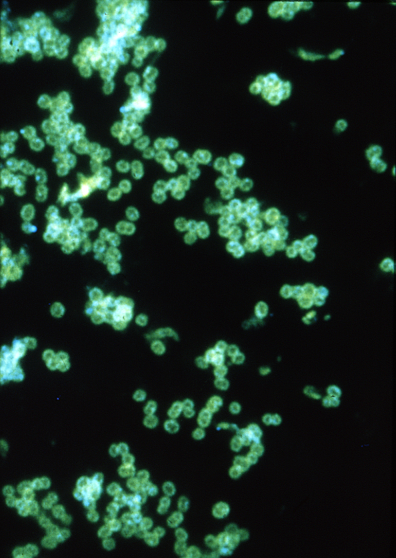
Persistent symptoms require reassessment of adherence, re-exposure, the original diagnosis and possible additional pathogens. CDC guidance highlights the importance of objective evidence of continuing urethritis before repeated antimicrobial treatment. Simply repeating the original kit can overlook resistance, reinfection or a noninfectious cause.
How do vaginitis and cervicitis differ in the kit approach?
Vaginitis concerns the vaginal compartment and includes patterns associated with bacterial vaginosis, candidiasis and trichomoniasis. Cervicitis concerns inflammation at the cervix and may be associated with gonorrhoea or chlamydia. Both can produce a complaint of discharge. Examination therefore matters: vaginal symptoms and cervical findings do not automatically select the same treatment pathway.
In the classic kit table, vaginitis is green and cervicitis appears under grey. The green pairing combines a nitroimidazole with an antifungal, reflecting the range of likely vaginal causes. It does not imply that bacterial vaginosis is candidiasis or that all vaginal discharge is sexually transmitted. Physiological discharge and other noninfectious causes also require consideration.
Bacterial vaginosis is a dysbiosis with reduced lactobacillus predominance and increased anaerobic organisms. Clue cells are vaginal epithelial cells coated with adherent bacteria. They support a bacterial-vaginosis diagnosis rather than establishing gonococcal cervicitis. The visual clue helps connect the microbiology to the clinical syndrome without confusing anatomical compartments.

How do herpetic and non-herpetic ulcer pathways differ?
The classic kit scheme distinguishes herpetic ulcers from non-herpetic ulcers. Herpetic lesions commonly begin as grouped vesicles and can be painful. Syphilis is a central non-herpetic ulcer differential; chancroid is another. Appearance helps frame the differential, but mixed infection and atypical lesions can make purely clinical diagnosis unreliable.
The red kit contains acyclovir in the historical table. The white kit includes benzathine penicillin and azithromycin for the non-herpetic category; blue substitutes a doxycycline-containing pathway for patients with penicillin allergy. These are syndrome-package relationships, not proof of the organism in a particular ulcer.
| Stem emphasis | Classic kit cue | Further clinical question |
|---|---|---|
| Herpetic genital ulcer | Red | Confirm clinical picture and consider testing |
| Non-herpetic genital ulcer | White | Assess syphilis and other ulcer causes |
| Non-herpetic ulcer plus penicillin allergy | Blue | Check pregnancy and guideline-specific alternatives |
| Pregnancy with syphilis | Do not apply the allergy shortcut blindly | Penicillin-based management requires specialist planning |
Testing for syphilis and HIV is part of comprehensive assessment. A syndrome-based package does not replace serology, staging or follow-up. In pregnancy, penicillin is required for syphilis treatment; a penicillin-allergic pregnant patient needs desensitisation and penicillin rather than an automatic substitution of the classic blue kit.
What do yellow and black kits represent?
The yellow kit corresponds to lower abdominal pain/PID in the classic table. PID concerns the upper genital tract and is not just another name for vaginitis. Cervical motion, uterine or adnexal tenderness can support the diagnosis in the appropriate clinical setting. Treatment is broad because gonorrhoea, chlamydia and anaerobic organisms may contribute.
Before labelling pain as PID, assess pregnancy and consider ectopic pregnancy, appendicitis and other surgical causes. Pregnancy, severe illness, a tubo-ovarian abscess, inability to tolerate outpatient treatment or lack of response can change the need for hospital assessment. The colour mnemonic must not conceal these decisions.
The black kit corresponds to inguinal bubo, a syndrome of enlarged painful inguinal nodes that may be associated with infections such as lymphogranuloma venereum or chancroid. The historical drug pairing is doxycycline and azithromycin. A bubo is a nodal finding, whereas an ulcer is a mucosal or skin lesion; they may coexist but remain different observations.
- Lower abdominal pain requires assessment for pregnancy and emergencies before a routine syndrome pathway.
- PID can involve upper-tract infection even when a cervical pathogen test is negative.
- An enlarged inguinal node requires examination for genital lesions and other possible causes.
- Choose referral and investigation when findings do not fit an uncomplicated outpatient syndrome.
What else belongs in complete STI case management?
Effective case management includes a confidential, nonjudgmental history, focused examination, appropriate testing, treatment and follow-up. Ask about symptoms, relevant exposures, prior treatment, allergies and pregnancy possibility. Explain the syndrome and what is known or uncertain about the cause. Privacy is part of a usable service, particularly when discussing sexual history and partner care.
Genital warts (condyloma acuminata) are a viral STI that is not a drug-kit syndrome in the sense of discharge or ulcer. HPV types 6 and 11 cause about 90% of cases; they are different from the high-risk types linked to cervical and anal cancer. There is no cure for HPV and removing visible warts does not clearly reduce transmission; about 80% of infections clear spontaneously within 18 to 24 months. Treatment is topical (for example imiquimod, trichloroacetic acid) or ablative (cryotherapy, excision), chosen by number, size and site.
Partner services reduce reinfection for infections where partner assessment and treatment are indicated. They should follow the diagnosed or suspected infection and applicable guidance rather than a blanket rule for every cause of vaginal symptoms. Counselling includes condom use, prevention, completing treatment and avoiding sexual exposure until appropriate treatment conditions are met.
Offer HIV and syphilis testing as appropriate within the programme pathway. Follow-up checks symptom resolution and identifies poor adherence, new exposure, an alternative diagnosis or treatment failure. A kit does not eliminate the need to review a patient who remains symptomatic. The correct response to persistence is reassessment, not an indefinite cycle of empirical packages.
- Identify the syndrome from symptoms and examination.
- Check pregnancy, allergy and reasons for urgent assessment.
- Use the applicable algorithm and laboratory testing when available.
- Discuss partner assessment, prevention and treatment completion.
- Arrange review and a clear route back if symptoms persist or worsen.
How should you answer kit questions when treatment guidance changes?
An exam asking for a classic kit colour can be answered from the dated table. A question asking for current treatment needs the named guideline, infection, clinical context and resistance considerations. WHO published updated recommendations for gonorrhoea, chlamydia and syphilis in 2024. CDC also uses organism- and syndrome-specific regimens that should not be treated as identical to the older Indian packages.
The practical lesson is to distinguish recognition of the colour scheme from selection of an antimicrobial regimen. This page does not claim that the May 2011 package contents define every current Indian treatment schedule. Where a newer national instruction is specified, use that instruction; do not silently mix drug doses from different editions.
Pregnancy is another important boundary. Oral fluconazole is not the recommended pregnancy approach for vulvovaginal candidiasis, and the standard doxycycline-containing package cannot be applied indiscriminately. Syphilis in pregnancy requires penicillin-based treatment. These examples show why a colour alone is insufficient for choosing treatment in a patient with additional constraints.
For revision, recall each syndrome-colour pair first, then the broad drug classes and the special situations that change management. This keeps the standard table useful while preventing outdated package details from becoming an unqualified prescribing rule. Always read whether the stem asks for the syndrome, colour, organism, investigation or next management step.