NEET-PG Surgery Previous Year Questions (2017–2026)

146 NEET-PG Surgery PYQs from 2017 to 2026, tagged by topic, with an explanation for every question. Surgery had 15 of the 180 questions in NEET-PG 2026.

Last verified: 24 September 2026 against Kinase question bank and NEET-PG 2026 recall paper. natboard.edu.in · nmc.org.in

Quick Answer

NEET-PG Surgery had 15 of 180 questions (8.3%) in the NEET-PG 2026 paper — up to 60 marks. Kinase has 146 NEET-PG Surgery PYQs from 2017 to 2026; the most-asked topic is Gastrointestinal and Abdominal Surgery (36 questions).

Surgery in NEET-PG at a glance

Questions in NEET-PG 202615 of 180 (8.3%)
Maximum marks at stake60 of 720
NEET-PG Surgery PYQs on Kinase146 (8.8% of all NEET-PG PYQs)
Years covered2017–2026
INICET Surgery PYQs on Kinase279

Most-asked Surgery topics in NEET-PG PYQs

TopicNEET-PG PYQsShare of subject
Gastrointestinal and Abdominal Surgery3625%
General Surgery3121%
Urology2014%
Cardiothoracic and Vascular Surgery (CTVS)1510%
Breast Surgery128%

Across NEET PG and INI-CET papers: Most repeated Surgery topics →

Sample NEET-PG Surgery PYQs with answers

Question 1 · NEET PG Aug 2026

A head-injured patient does not open the eyes to speech or to pain, speaks only inappropriate words, and withdraws the limb from a painful stimulus. What is the Glasgow Coma Scale score?

  1. A.7
  2. B.8
  3. C.9
  4. D.10
Show answer and explanation

Answer: B. 8

Correct answer: 8

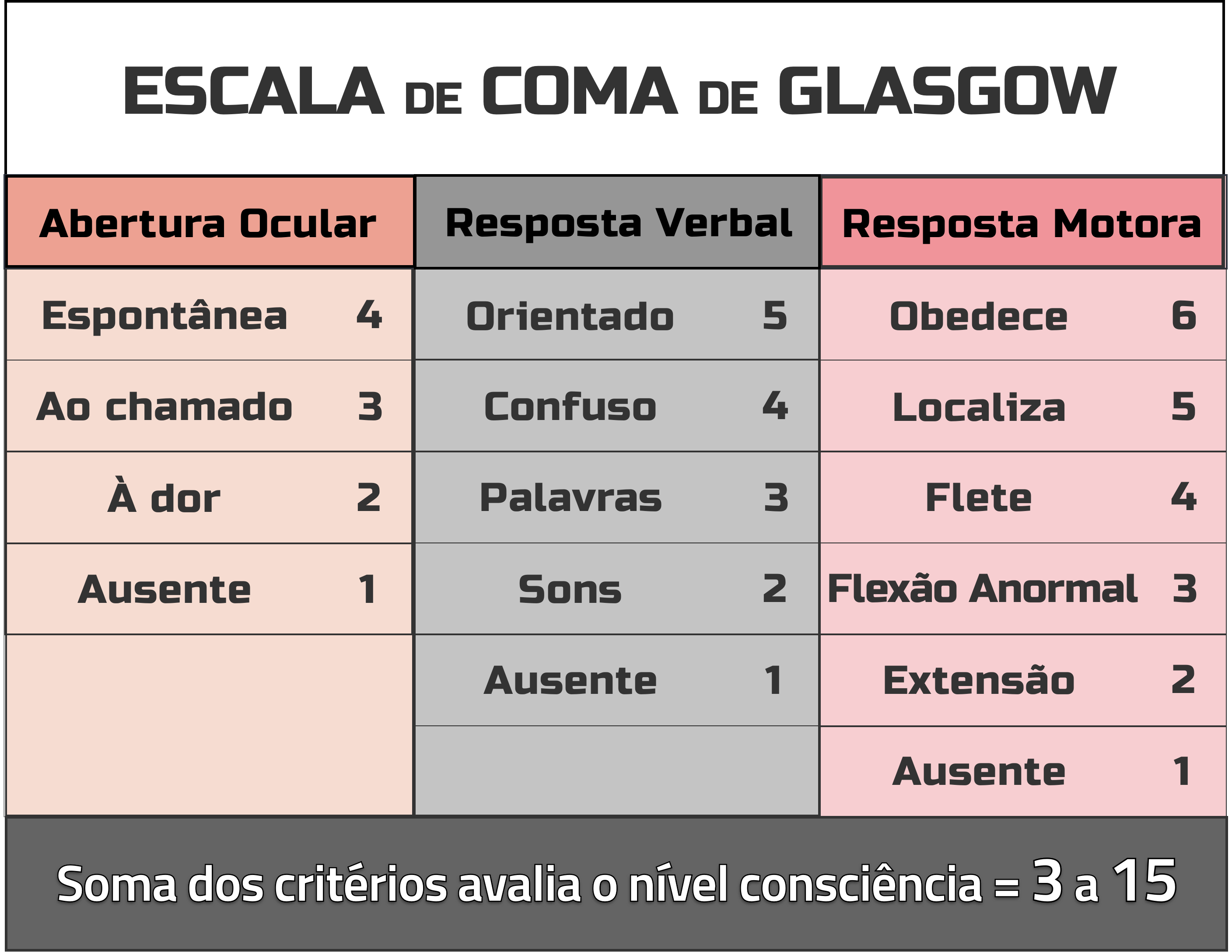
Scoring each component: Eye opening = 1 (none), Verbal = 3 (inappropriate words), Motor = 4 (withdrawal from pain). E1 + V3 + M4 = 8. A GCS of 8 or less is the conventional threshold at which the airway should be secured by intubation.
Glasgow Coma Scale scoring chart eye verbal motor

GCS chart - E1 + V3 + M4 = 8.

Incorrect Options:

  • 7: would require a lower verbal or motor score than described (for example incomprehensible sounds, V2).
  • decerebrate extensor posturing

    Decerebrate posturing (M2) - would give a lower score.

  • 9: would need a higher component, such as eye opening to pain (E2).
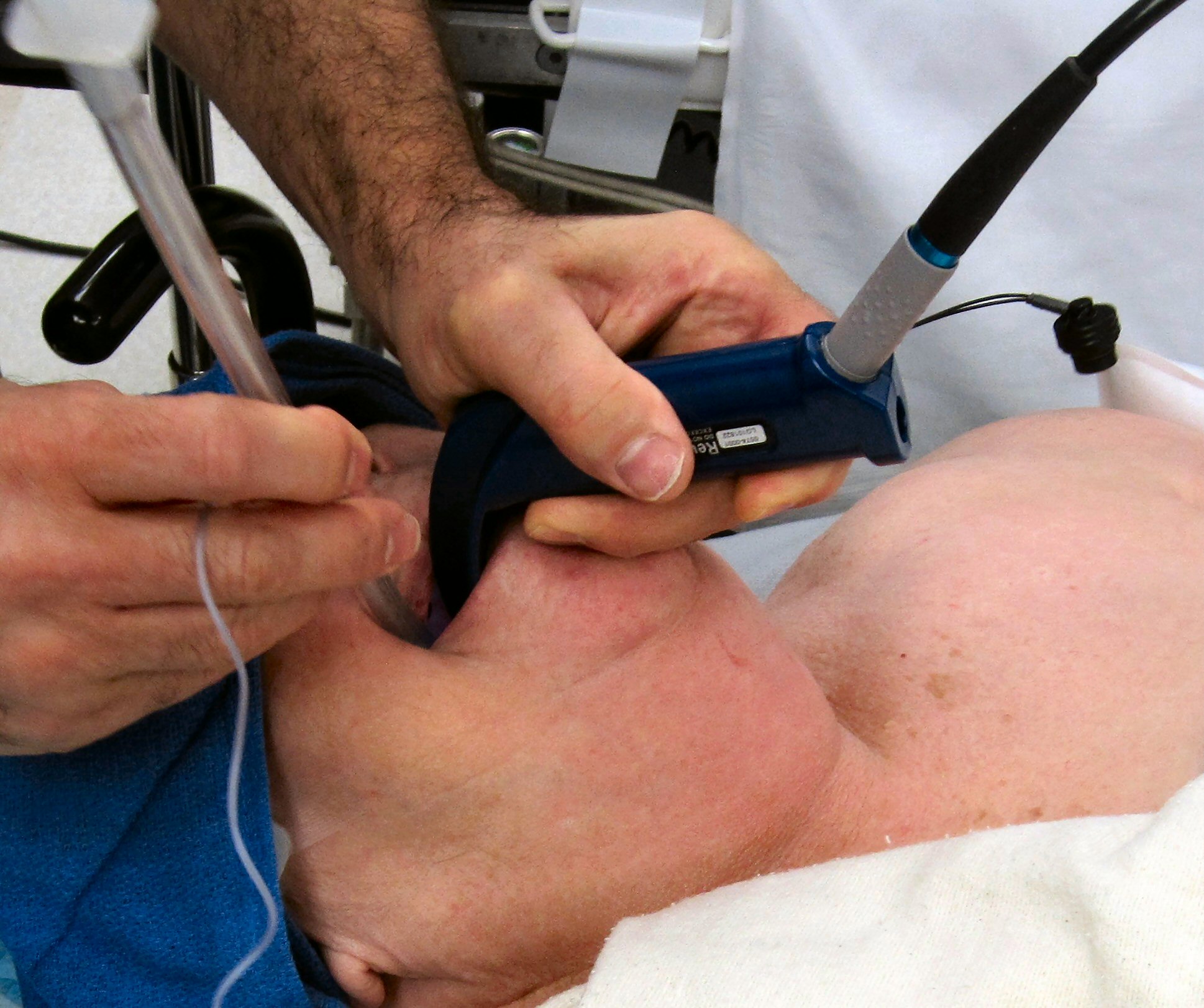
  • endotracheal intubation of a patient

    Intubation - indicated once GCS is 8 or less.

  • 10: overestimates the responses given in the vignette.
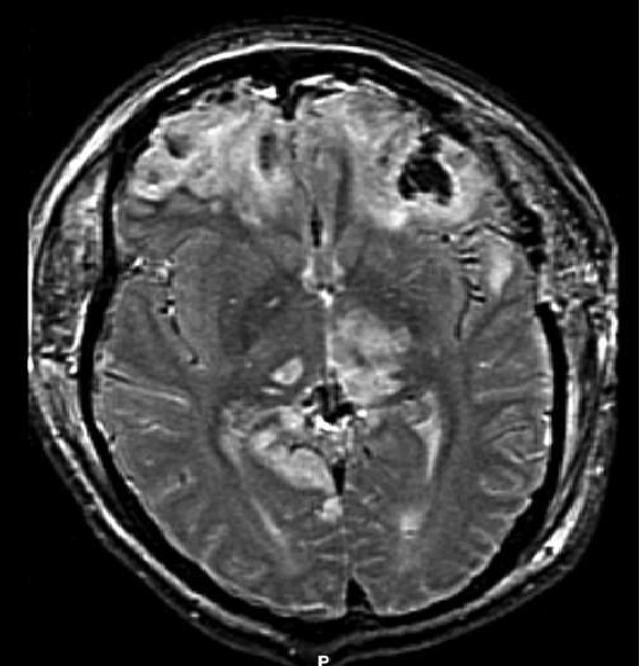
  • traumatic brain injury on MRI

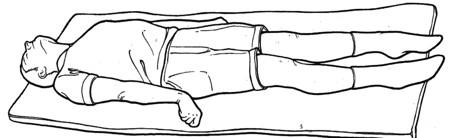
    Severe head injury - severity is graded by the GCS.

High-Yield Facts:

  • GCS ranges from 3 to 15 (Eye 1-4, Verbal 1-5, Motor 1-6).
  • GCS 8 or less defines severe head injury and the need to protect the airway.
  • Withdrawal to pain scores M4; localising to pain scores M5.
  • Inappropriate words score V3; confused speech scores V4.
Question 2 · NEET PG Aug 2026

Five days after a laparotomy for perforation peritonitis, about 50 mL of bowel content leaks from the midline wound. The patient is afebrile, haemodynamically stable and tolerating oral fluids, with no signs of peritonitis. What is the most appropriate next step?

  1. A.Take back for exploratory laparotomy
  2. B.Bowel rest with parenteral nutrition
  3. C.Resection and primary anastomosis
  4. D.Keep feeding orally and observe
Show answer and explanation

Answer: B. Bowel rest with parenteral nutrition

Correct answer: B. Bowel rest with parenteral nutrition.

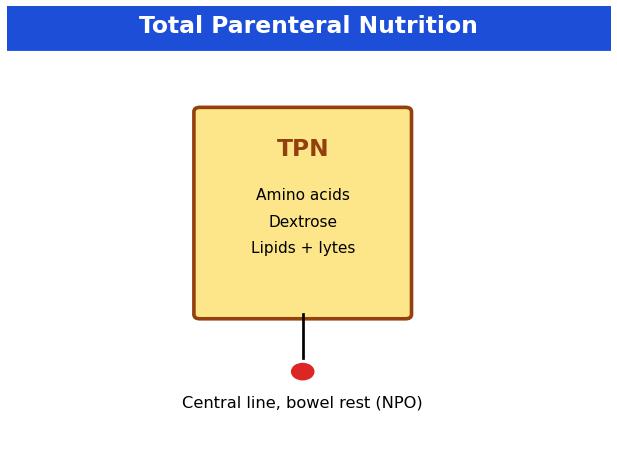
This is a low-output enterocutaneous fistula (under 200 mL/day) in a stable patient without sepsis. Management is conservative: sepsis control, nutrition and skin protection. Resting the bowel with parenteral nutrition reduces output, and up to two-thirds of such fistulae close spontaneously.

Total parenteral nutrition bag

Bowel rest plus TPN lowers output and aids closure.

Incorrect Options:

  • Exploratory laparotomy: early re-operation in a stable patient risks a hostile abdomen and more fistulae; surgery is delayed if it fails to close.
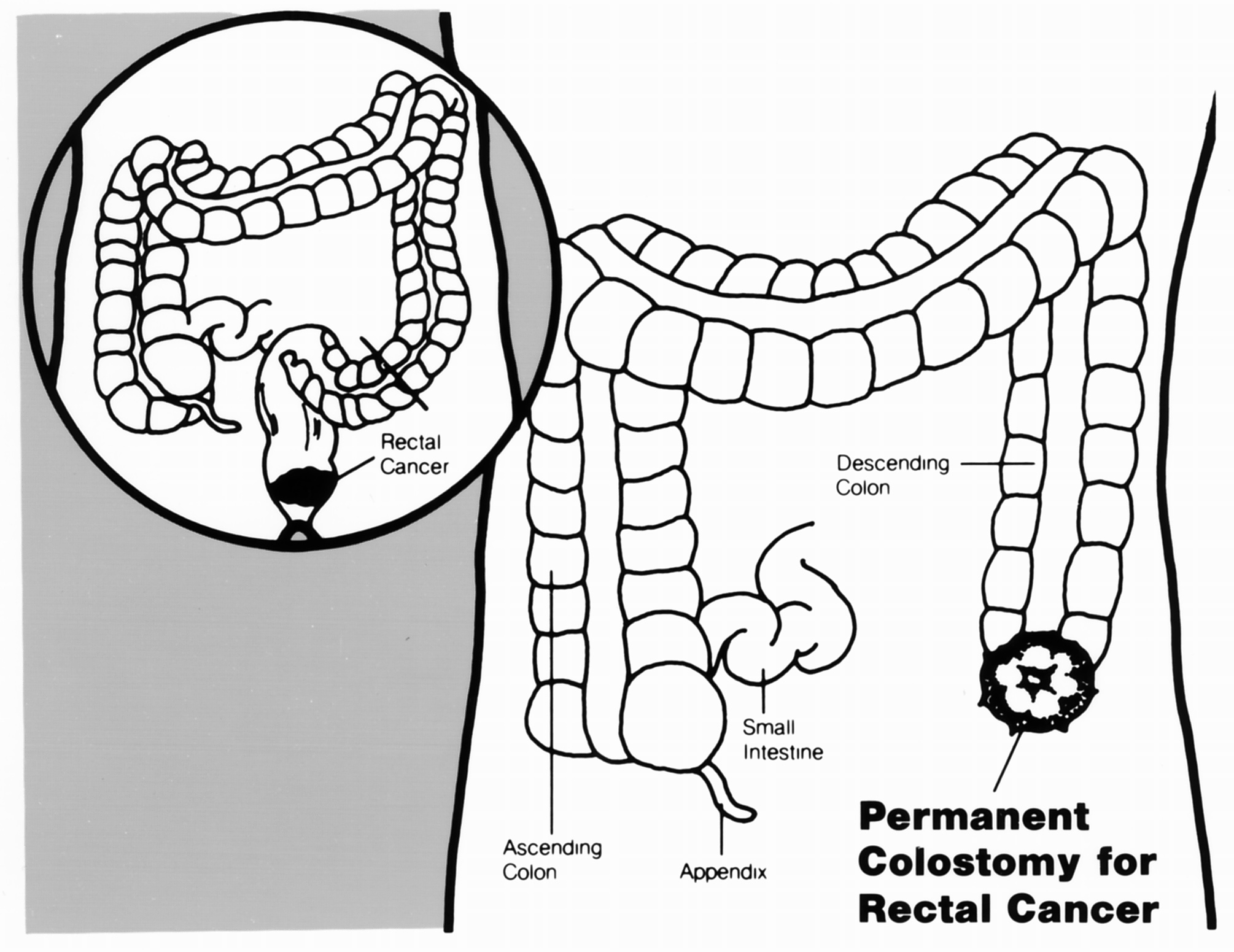
  • Diagram of a colostomy

    Early take-back and stoma are not first-line here.

  • Resection with anastomosis: anastomosis in an inflamed, contaminated field breaks down; deferred to a planned later operation.
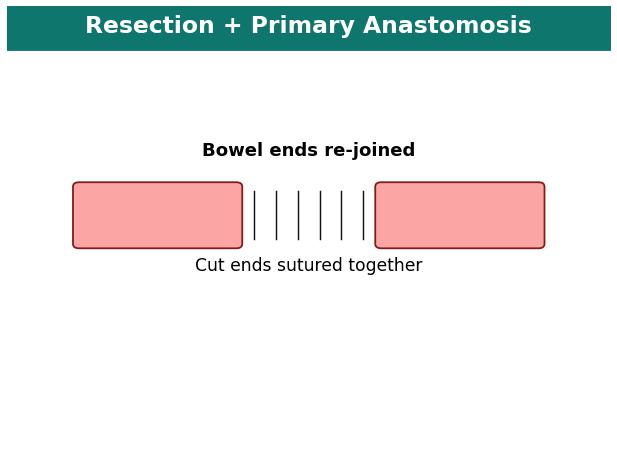
  • Bowel resection and primary anastomosis diagram

    Anastomosis in a hostile abdomen usually leaks.

  • Continue orals and observe: oral feeding maintains high fistula output and impairs closure of an enteric leak.
  • Hospital meal tray

    Oral feeding keeps fistula output high.

High-Yield Facts:

  • Fistula output: low (<200 mL), moderate (200 to 500 mL), high (>500 mL/day).
  • Remember SNAP: Sepsis control, Nutrition, Anatomy definition, Plan for surgery.
  • Up to two-thirds of low-output fistulae close with conservative care.
  • FRIEND factors prevent closure: Foreign body, Radiation, Inflammation/IBD, Epithelialisation, Neoplasm, Distal obstruction.
Question 3 · NEET PG Aug 2026

A surgical energy device delivers current through a hand-held active electrode; the current passes through the patient and returns via a large dispersive (return) plate applied to the skin. Which electrosurgical modality is this?

  1. A.Bipolar diathermy
  2. B.Argon plasma coagulation
  3. C.Monopolar diathermy
  4. D.Harmonic scalpel
Show answer and explanation

Answer: C. Monopolar diathermy

Correct answer: C. Monopolar diathermy.

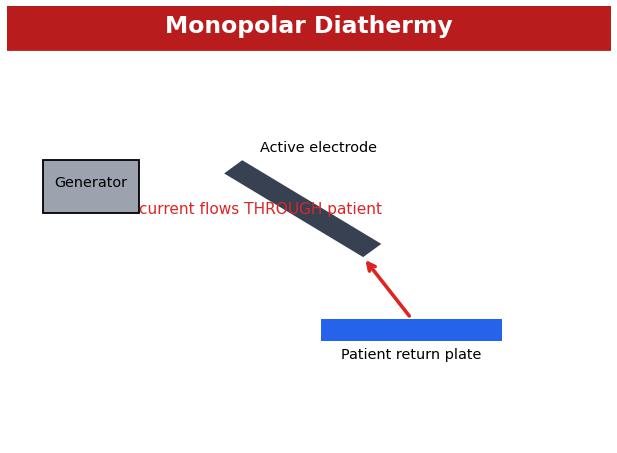
In monopolar electrosurgery the current passes from a small active electrode through the patient to a large dispersive return plate. The presence of a separate patient plate is the giveaway.

Monopolar diathermy circuit through the patient

Monopolar current flows through the patient to a return plate.

Incorrect Options:

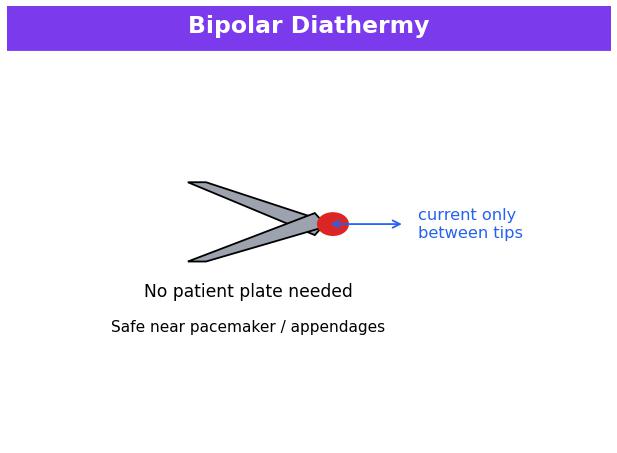
  • Bipolar diathermy: current stays between the two tips of the forceps, so no patient plate is used; it is safer near pacemakers and appendages.
  • Bipolar diathermy forceps

    Bipolar needs no return plate.

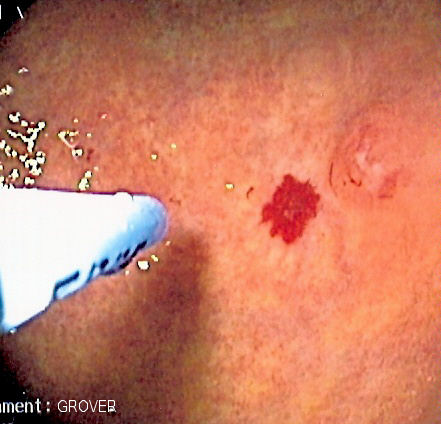
  • Argon plasma coagulation: a non-contact jet of ionised argon delivers energy for surface haemostasis.
  • Argon plasma coagulation probe

    APC is non-contact plasma coagulation.

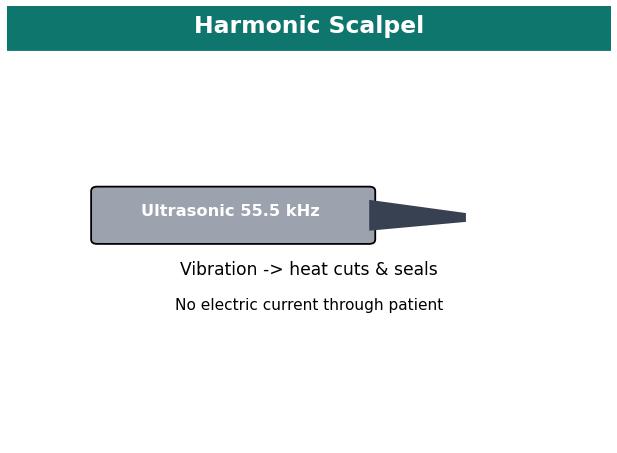
  • Harmonic scalpel: cuts and seals by ultrasonic vibration, with no electrical current through the patient.
  • Harmonic ultrasonic scalpel

    Harmonic uses ultrasound, not electric current.

High-Yield Facts:

  • Monopolar: small active electrode + large return plate; current through the patient.
  • Bipolar: current confined between two tips; no plate needed.
  • Prefer bipolar near pacemakers, digits, penis and other appendages.
  • A poorly applied return plate can cause pad-site burns.

Surgery concept guides

Browse the full concept library and clinical image atlas.

Practise the rest: open the Kinase question bank, choose Surgery, set the exam to NEET-PG and switch on PYQs only. Questions you get wrong go into Fix My Weakness for targeted revision.

Frequently Asked Questions

How many Surgery questions were in NEET-PG 2026?▼
15 of the 180 questions in the NEET-PG 2026 paper (30 August 2026) were Surgery — 8.3% of the paper, worth up to 60 marks at +4 per correct answer. This is from the recall paper in the Kinase question bank.
How many NEET-PG Surgery PYQs does Kinase have?▼
Kinase has 146 NEET-PG Surgery previous year questions from 2017 to 2026, each with an explanation, plus 279 INICET Surgery PYQs for extra practice.
What are the most-asked Surgery topics in NEET-PG?▼
In Kinase's NEET-PG Surgery PYQs, the most-asked topics are Gastrointestinal and Abdominal Surgery, General Surgery, Urology. Gastrointestinal and Abdominal Surgery alone accounts for 36 of the 146 questions.
Are NEET-PG Surgery PYQs the same as INICET PYQs?▼
Both exams test the MBBS syllabus, so most Surgery concepts overlap. The marking differs: NEET-PG is +4 / −1 and INICET is +1 / −1/3. Kinase lets you practise either exam's PYQs, or both together.
How should I practise Surgery PYQs for NEET-PG?▼
Start with the most-asked topics above, do a daily set of Surgery PYQs, and read every explanation — including the ones you got right. Kinase's Fix My Weakness then builds practice sets from the topics you miss most.
146 Surgery PYQs
2017–2026 papers
Topic + year tagged

Ready to Start Practicing?

Surgery was 15 questions (up to 60 marks) in NEET-PG 2026.

Start Free Practice

No credit card required