NEET-PG Medicine Previous Year Questions (2017–2026)

161 NEET-PG Medicine PYQs from 2017 to 2026, tagged by topic, with an explanation for every question. Medicine had 23 of the 180 questions in NEET-PG 2026.

Last verified: 24 September 2026 against Kinase question bank and NEET-PG 2026 recall paper. natboard.edu.in · nmc.org.in

Quick Answer

NEET-PG Medicine had 23 of 180 questions (12.8%) in the NEET-PG 2026 paper — up to 92 marks. Kinase has 161 NEET-PG Medicine PYQs from 2017 to 2026; the most-asked topic is Cardiovascular System (33 questions).

Medicine in NEET-PG at a glance

Questions in NEET-PG 202623 of 180 (12.8%)
Maximum marks at stake92 of 720
NEET-PG Medicine PYQs on Kinase161 (9.7% of all NEET-PG PYQs)
Years covered2017–2026
INICET Medicine PYQs on Kinase319

Most-asked Medicine topics in NEET-PG PYQs

TopicNEET-PG PYQsShare of subject
Cardiovascular System3320%
Endocrine Disorders2314%
Nervous System2314%
Respiratory System1912%
Rheumatology and Immunology159%

Across NEET PG and INI-CET papers: Most repeated Medicine topics →

Sample NEET-PG Medicine PYQs with answers

Question 1 · NEET PG Aug 2026

Eight months after bariatric surgery, a non-alcoholic man on diuretics presents with pedal oedema, a raised jugular venous pressure, bibasal crepitations and a sensory-motor peripheral neuropathy. His complete blood count, routine biochemistry, urinalysis and chest radiograph are all normal. Which investigation will best confirm the underlying cause?

  1. A.Serum vitamin B12
  2. B.RBC transketolase
  3. C.2D echocardiography
  4. D.Nerve conduction study
Show answer and explanation

Answer: B. RBC transketolase

Correct answer: B. Red-cell (RBC) transketolase activity.

The combination of high-output cardiac failure (wet beriberi) with a peripheral neuropathy (dry beriberi) after bariatric surgery points to thiamine (vitamin B1) deficiency, which affects roughly a quarter of patients post-bariatric surgery. The best confirmatory test is the erythrocyte transketolase activity (with the thiamine pyrophosphate effect), as transketolase is a thiamine-dependent enzyme.
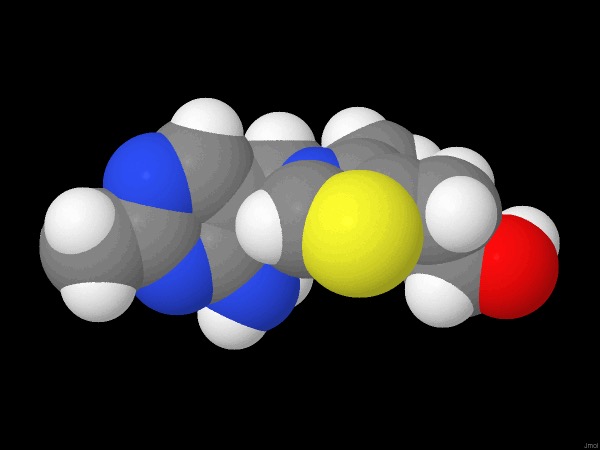
thiamine molecule Thiamine (vitamin B1) - assessed by RBC transketolase activity.

Incorrect Options:

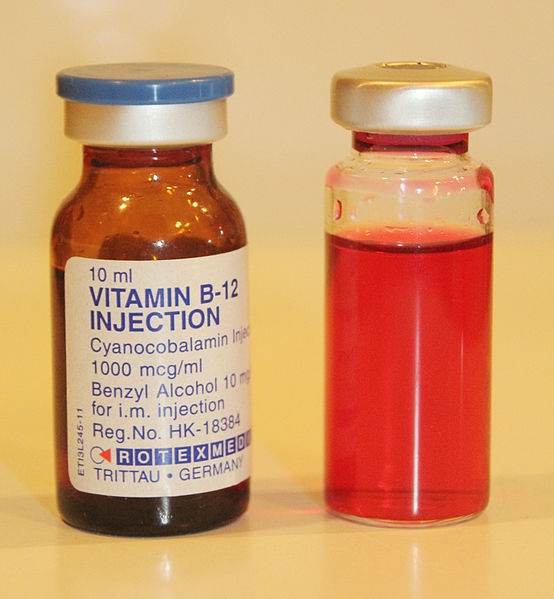
  • Serum vitamin B12: B12 deficiency gives a macrocytic anaemia and does not cause high-output failure. vitamin B12 vial Vitamin B12.
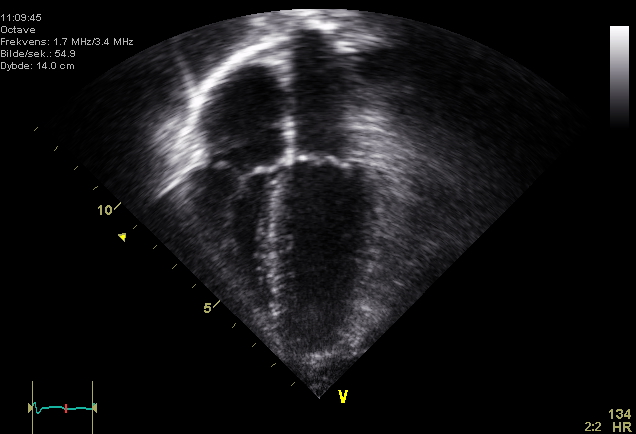
  • 2D echocardiography: may show a high-output state but does not identify the nutritional cause. echocardiogram Echocardiography.
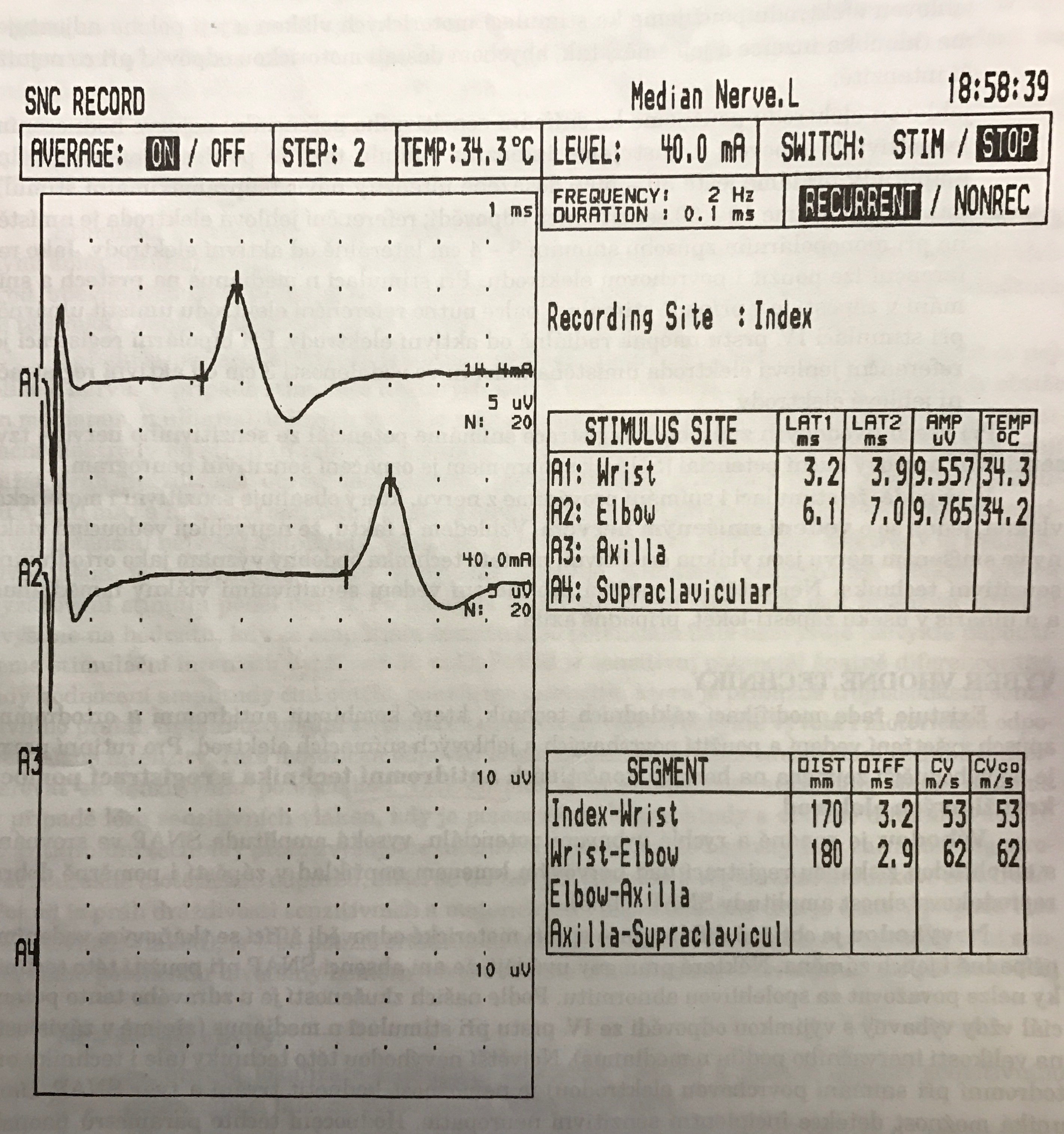
  • Nerve conduction study: confirms neuropathy but not its thiamine-related aetiology. nerve conduction study Nerve conduction study.
High-Yield Facts:

  • Wet beriberi = high-output cardiac failure; dry beriberi = peripheral neuropathy.
  • RBC transketolase activity is the confirmatory test for thiamine status.
  • Thiamine deficiency is common after bariatric surgery and in alcoholism.
  • Treat promptly with thiamine, before glucose in at-risk patients.
Question 2 · NEET PG Aug 2026

An intensive-care patient has persistent hypokalaemia that fails to correct despite repeated potassium chloride infusions. The electrocardiogram shows QT prolongation with ST-segment depression. Which coexisting abnormality best explains the refractory low potassium?

  1. A.Hypomagnesaemia
  2. B.Hyponatraemia
  3. C.Hypocalcaemia
  4. D.Hypermagnesaemia
Show answer and explanation

Answer: A. Hypomagnesaemia

Correct answer: A. Hypomagnesaemia.

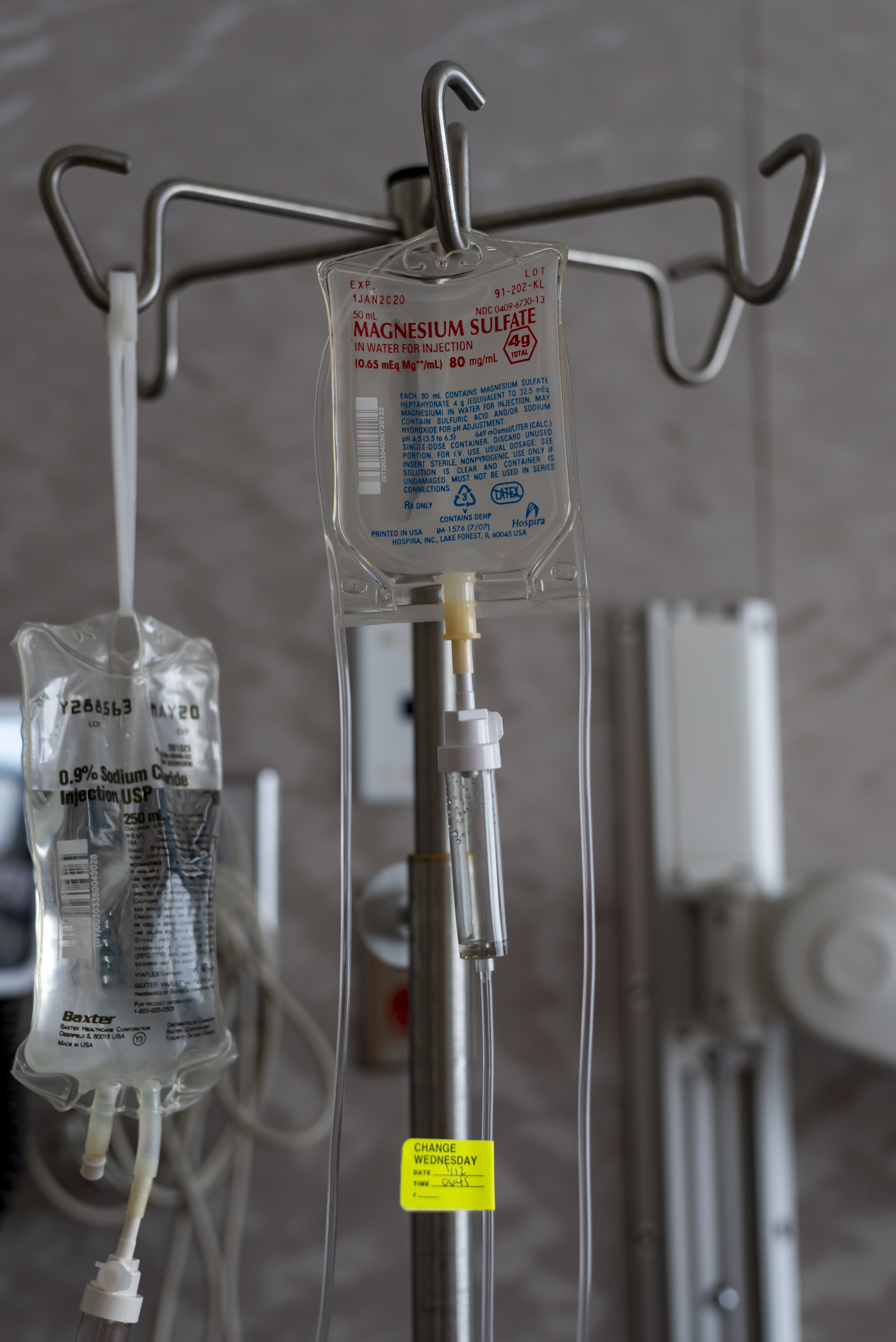
Magnesium is needed to keep the renal ROMK potassium channels closed. When magnesium is low, this inhibition is lost and potassium is wasted in the urine regardless of how much is replaced, producing refractory hypokalaemia. The fix is to correct magnesium first, after which potassium repletion becomes effective.

magnesium sulfate infusion Correcting magnesium (e.g. magnesium sulfate) allows potassium to be retained.
Incorrect Options:

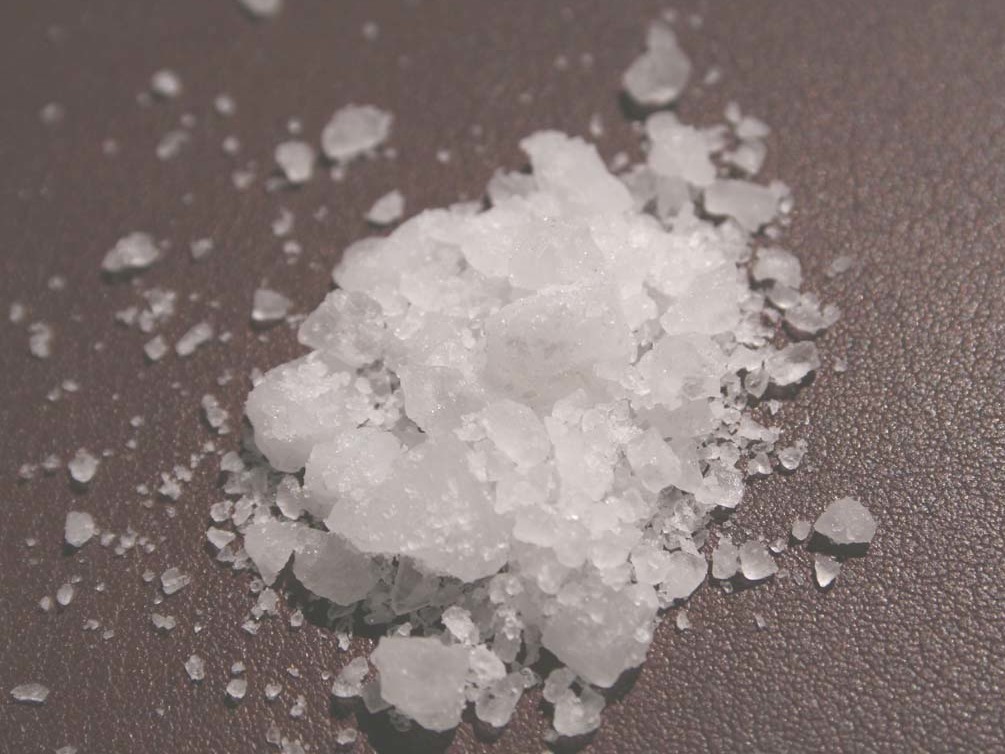
  • Hyponatraemia: a sodium disorder that does not drive renal potassium wasting. sodium chloride salt Sodium (as salt).
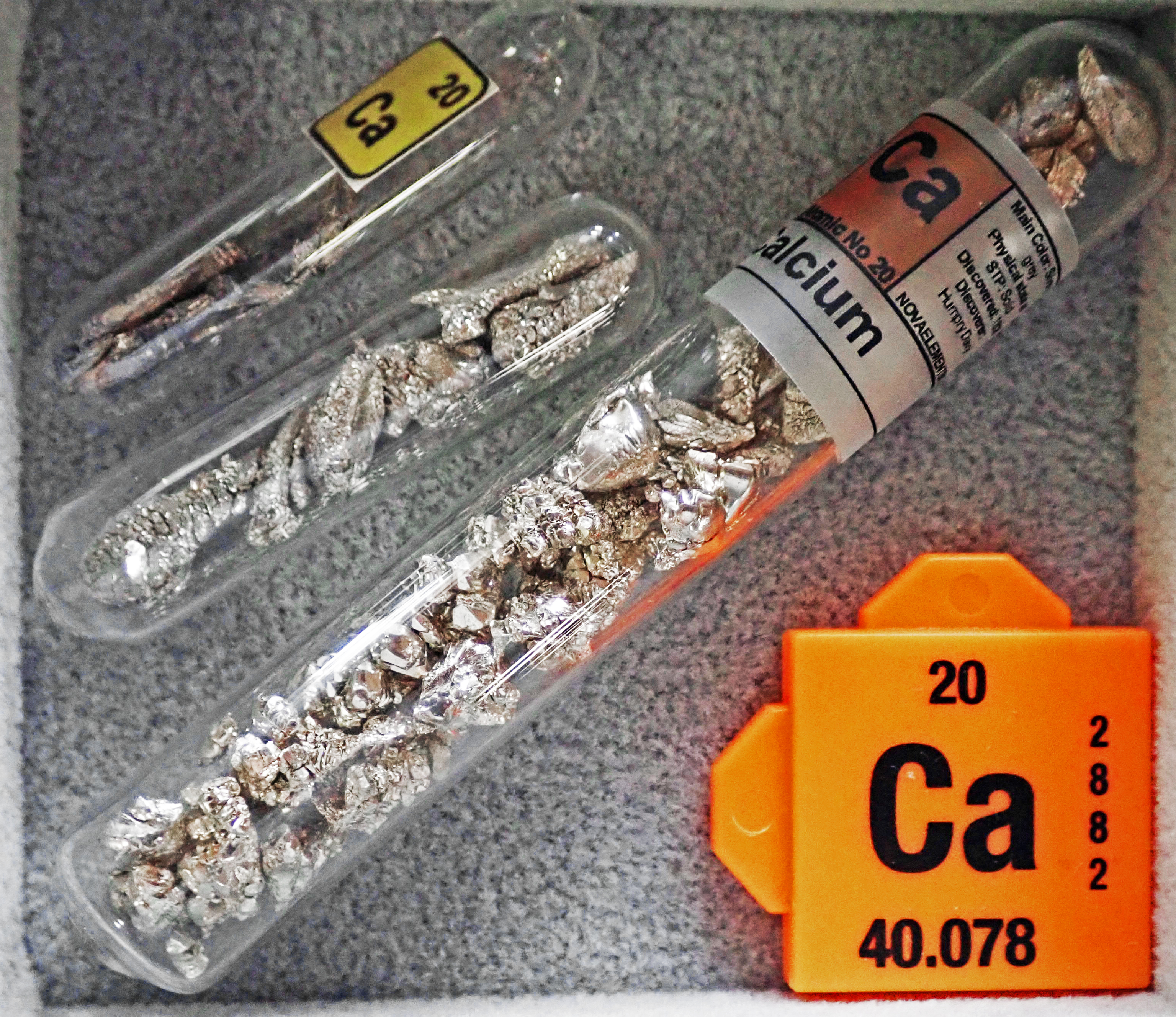
  • Hypocalcaemia: causes tetany and a long QT but does not make hypokalaemia refractory. calcium element Calcium.
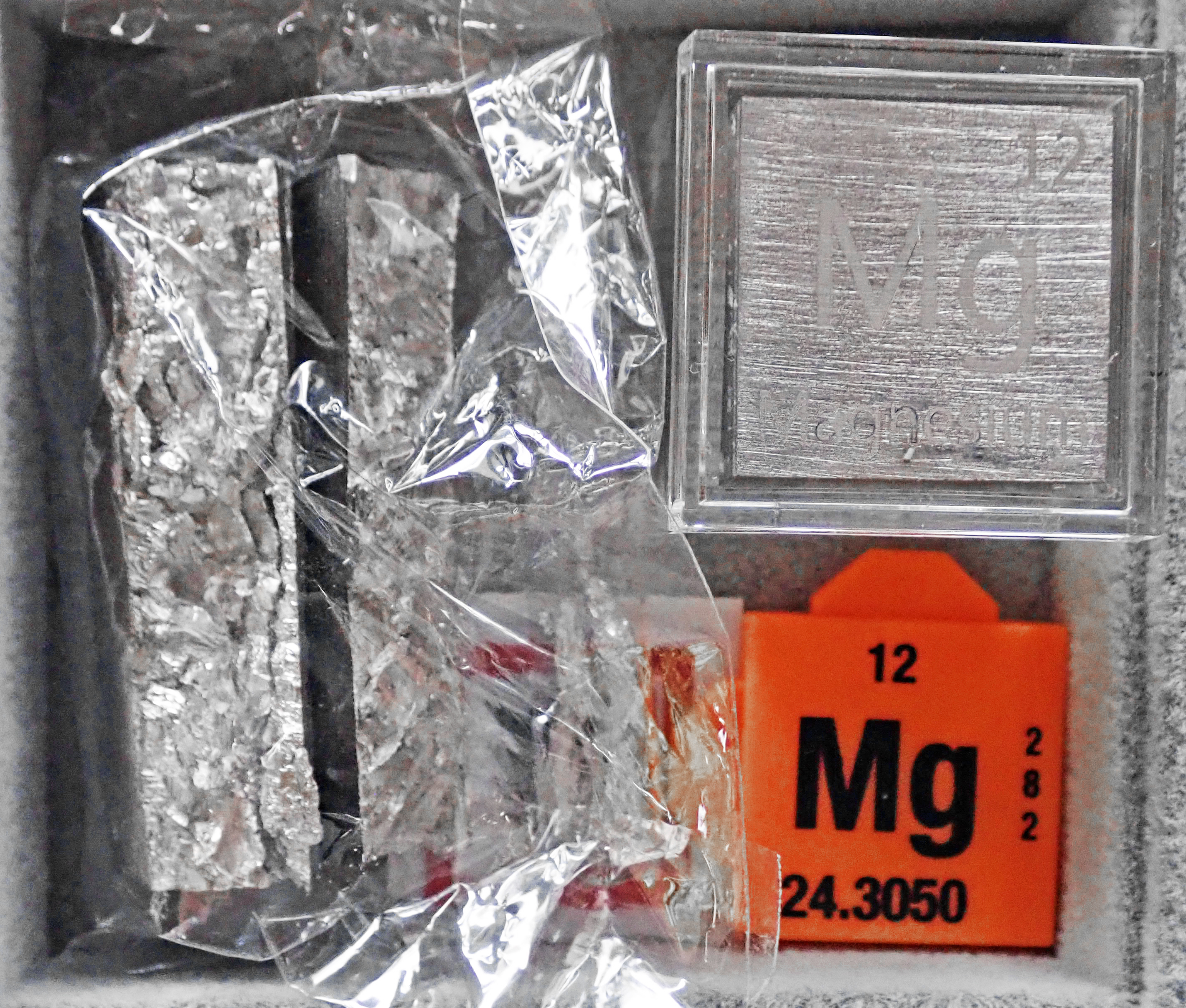
  • Hypermagnesaemia: the opposite state - it tends to depress neuromuscular conduction, not waste potassium. magnesium element Magnesium (excess is the opposite disorder).
High-Yield Facts:

  • Hypomagnesaemia is a classic cause of refractory hypokalaemia.
  • Low magnesium opens ROMK channels, increasing renal potassium loss.
  • Always correct magnesium before or alongside potassium.
  • Both deficiencies can prolong QT and provoke arrhythmias.
Question 3 · NEET PG Aug 2026

A 45-year-old man with drug-resistant hypertension and spontaneous hypokalaemia has a raised plasma aldosterone, a suppressed renin and a high aldosterone-to-renin ratio. Aldosterone fails to suppress after saline infusion, and cross-sectional imaging is equivocal for a unilateral lesion. Which investigation is most useful to guide definitive management?

  1. A.Adrenal vein sampling
  2. B.Adrenal MRI
  3. C.MIBG scintigraphy scan
  4. D.CT-guided adrenal biopsy
Show answer and explanation

Answer: A. Adrenal vein sampling

Correct answer: Adrenal vein sampling

The picture is confirmed primary aldosteronism (high aldosterone, suppressed renin, non-suppressible on saline loading). Before a unilateral adrenalectomy, aldosterone secretion must be lateralised, and adrenal vein sampling is the gold standard because imaging cannot separate a functioning adenoma from a non-functioning incidentaloma.

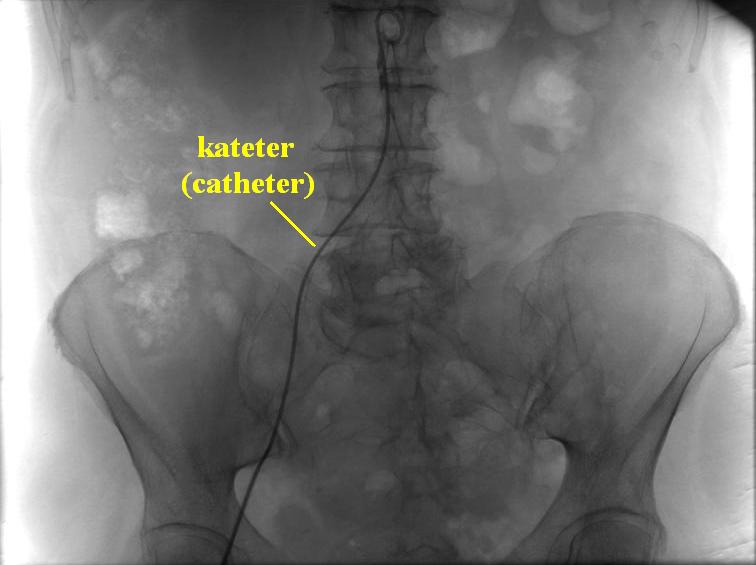
adrenal vein sampling catheter angiography

Adrenal vein sampling - selective catheterisation lateralises aldosterone hypersecretion.

Incorrect Options:

  • Adrenal MRI: good soft-tissue detail but still cannot prove which gland is over-secreting, so it does not settle the management decision.
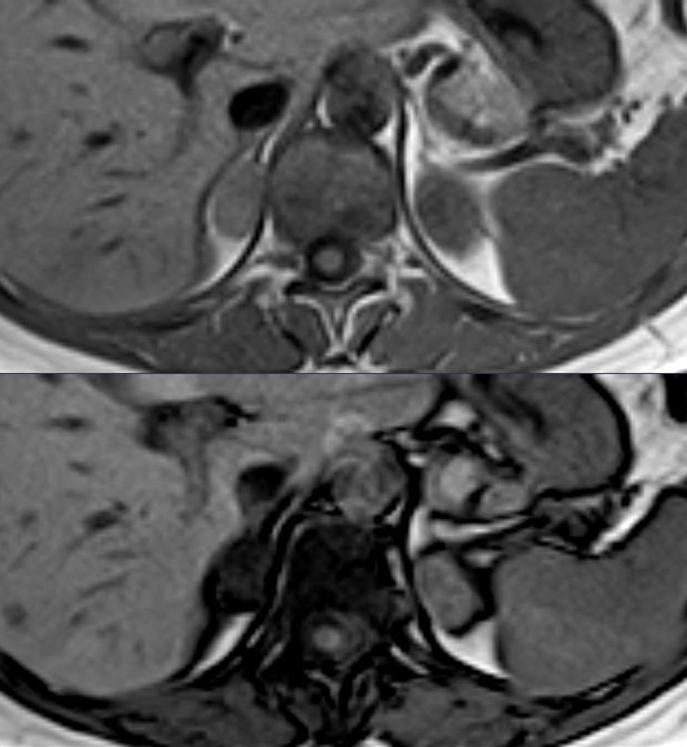
  • adrenal adenoma MRI

    Adrenal MRI showing a right adenoma - anatomy only, not function.

  • MIBG scintigraphy scan: localises catecholamine-secreting tumours (phaeochromocytoma), not aldosterone-producing lesions.
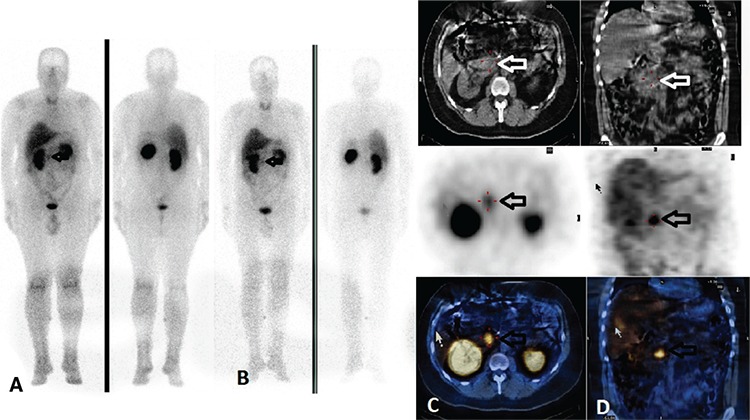
  • MIBG scintigraphy whole body scan

    MIBG scan - used for phaeochromocytoma, not aldosteronism.

  • CT-guided adrenal biopsy: is not used for aldosteronoma and risks haemorrhage or seeding, adding no functional information.
  • core biopsy needle

    Core biopsy needle - biopsy has no role in localising aldosteronism.

High-Yield Facts:

  • Screen with the plasma aldosterone-to-renin ratio, confirm with a suppression test (saline or fludrocortisone).
  • Adrenal vein sampling is the reference standard for lateralisation before unilateral adrenalectomy.
  • Unilateral disease (adenoma) is treated surgically, bilateral hyperplasia with a mineralocorticoid-receptor antagonist (spironolactone/eplerenone).
  • Spontaneous hypokalaemia with hypertension is a strong clue to primary aldosteronism.

Medicine concept guides

Medicine images to recognise

Browse the full concept library and clinical image atlas.

Practise the rest: open the Kinase question bank, choose Medicine, set the exam to NEET-PG and switch on PYQs only. Questions you get wrong go into Fix My Weakness for targeted revision.

Frequently Asked Questions

How many Medicine questions were in NEET-PG 2026?▼
23 of the 180 questions in the NEET-PG 2026 paper (30 August 2026) were Medicine — 12.8% of the paper, worth up to 92 marks at +4 per correct answer. This is from the recall paper in the Kinase question bank.
How many NEET-PG Medicine PYQs does Kinase have?▼
Kinase has 161 NEET-PG Medicine previous year questions from 2017 to 2026, each with an explanation, plus 319 INICET Medicine PYQs for extra practice.
What are the most-asked Medicine topics in NEET-PG?▼
In Kinase's NEET-PG Medicine PYQs, the most-asked topics are Cardiovascular System, Endocrine Disorders, Nervous System. Cardiovascular System alone accounts for 33 of the 161 questions.
Are NEET-PG Medicine PYQs the same as INICET PYQs?▼
Both exams test the MBBS syllabus, so most Medicine concepts overlap. The marking differs: NEET-PG is +4 / −1 and INICET is +1 / −1/3. Kinase lets you practise either exam's PYQs, or both together.
How should I practise Medicine PYQs for NEET-PG?▼
Start with the most-asked topics above, do a daily set of Medicine PYQs, and read every explanation — including the ones you got right. Kinase's Fix My Weakness then builds practice sets from the topics you miss most.
161 Medicine PYQs
2017–2026 papers
Topic + year tagged

Ready to Start Practicing?

Medicine was 23 questions (up to 92 marks) in NEET-PG 2026.

Start Free Practice

No credit card required