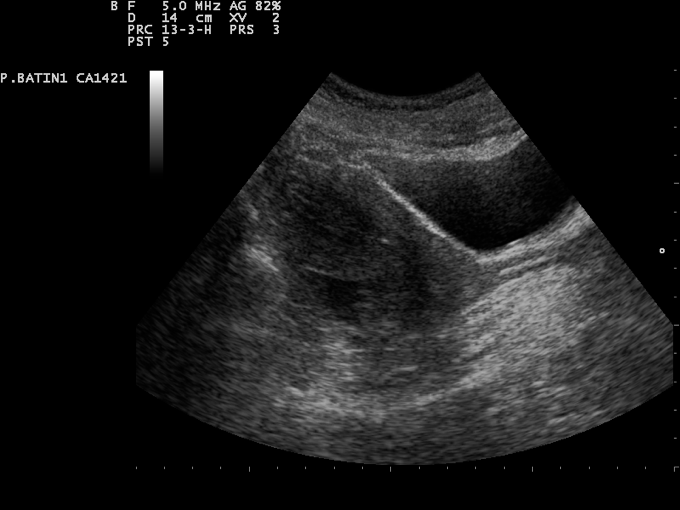
A multiparous woman at 37 weeks has a fetus in breech presentation and the team is planning external cephalic version to turn the baby head-down. Before proceeding they review the contraindications. Which of the following is an ABSOLUTE contraindication to external cephalic version?
- A.Transverse fetal lie
- B.Intrauterine fetal death
- C.Complete breech presentation
- D.Nulliparity
Show answer and explanation
Answer: B. Intrauterine fetal death
Correct answer: B. Intrauterine fetal death. External cephalic version is pointless and unsafe when there is no live fetus to reposition.
External cephalic version aims to turn a live fetus to cephalic presentation to allow vaginal birth. When the fetus has already died, intrauterine fetal death, there is no benefit and the manoeuvre is contraindicated. Other absolute contraindications include any independent indication for caesarean section, antepartum haemorrhage, ruptured membranes, multiple pregnancy (except the second twin) and an abnormal cardiotocograph. A malpresentation such as transverse lie or breech is exactly what version is meant to correct.
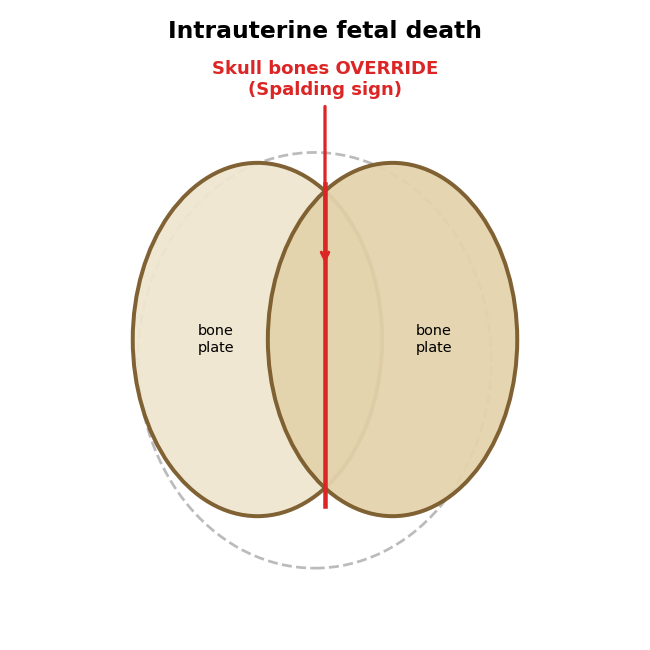
Intrauterine fetal death: there is no live fetus to benefit, so version is contraindicated.
Incorrect Options:
- A. Transverse fetal lie: a transverse or oblique lie is actually one of the presentations for which external cephalic version is offered, so it is an indication rather than a contraindication.
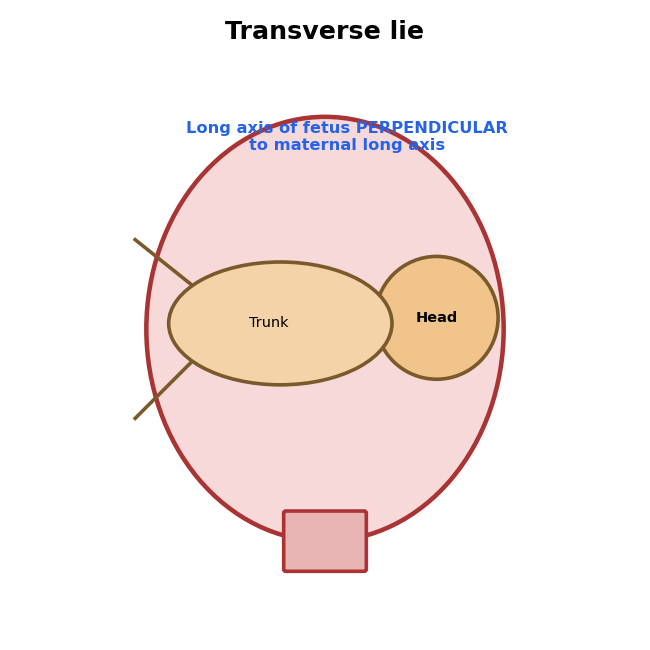
Transverse lie is an indication for version, not a contraindication.
- C. Complete breech presentation: breech presentation is the usual reason external cephalic version is attempted, so it supports rather than forbids the procedure.
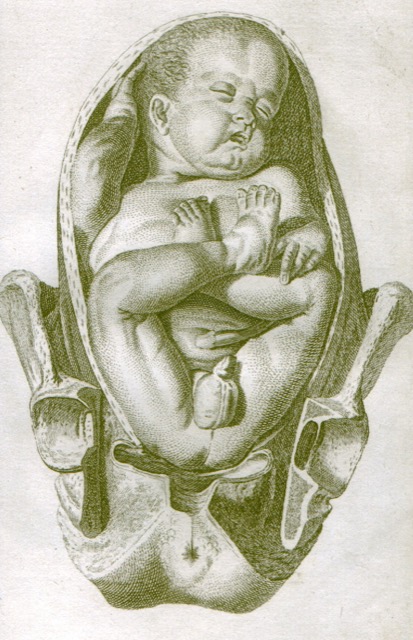
Complete breech is a common indication for attempting version.
- D. Nulliparity: being in a first pregnancy reduces the success rate because of firmer abdominal and uterine tone, but it is not a contraindication.
Nulliparity lowers success rates but does not contraindicate version.
High-Yield Facts:
- External cephalic version is offered for breech or transverse lie at or near term to enable vaginal delivery.
- Absolute contraindications: any indication for caesarean, antepartum haemorrhage, ruptured membranes, abnormal cardiotocograph, intrauterine fetal death.
- It is usually attempted from about 36 to 37 weeks; anti-D is given to Rhesus-negative women afterwards.
- Nulliparity, obesity and an anterior placenta lower success but do not forbid the attempt.