A 14-year-old boy on induction chemotherapy with 6-mercaptopurine and methotrexate for acute lymphoblastic leukaemia develops tumour-lysis syndrome with a rapidly climbing serum urate. Which agent will lower his uric acid most effectively?
- A.Rasburicase
- B.Allopurinol
- C.Febuxostat
- D.Benzbromarone
Show answer and explanation
Answer: A. Rasburicase
Correct answer: A. Rasburicase.
Rasburicase is recombinant urate oxidase; it enzymatically converts existing uric acid into highly soluble allantoin, so it removes the urate that is already present. This makes it far more effective than xanthine-oxidase inhibitors in established tumour-lysis syndrome, which only block further production. It is contraindicated in glucose-6-phosphate dehydrogenase deficiency (risk of haemolysis and methaemoglobinaemia).
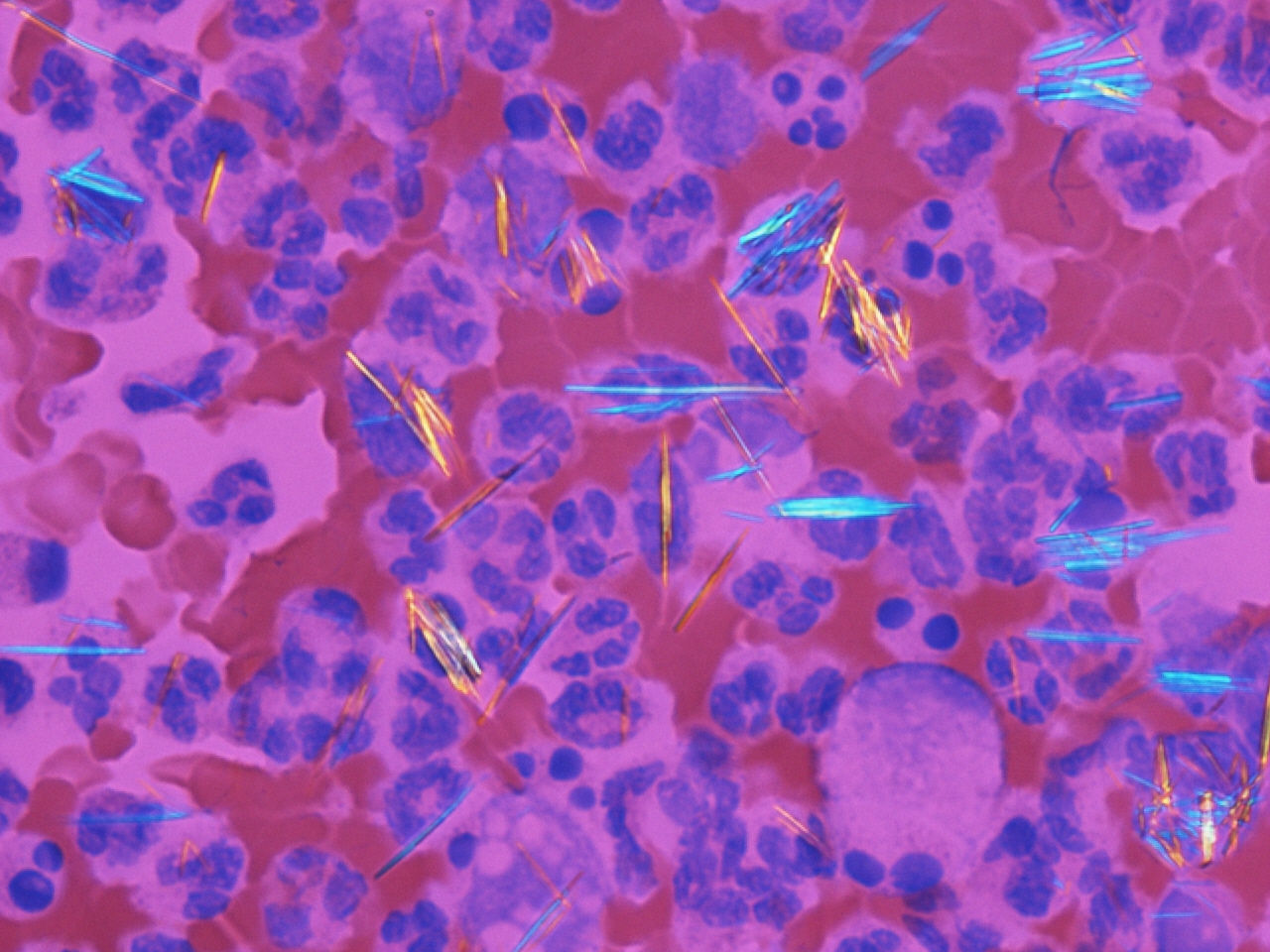
Uric acid (monosodium urate) crystals; rasburicase degrades urate to soluble allantoin.
Incorrect Options:
- B. Allopurinol: a xanthine-oxidase inhibitor that prevents new urate formation but cannot clear urate already made; it also dangerously raises 6-mercaptopurine levels.
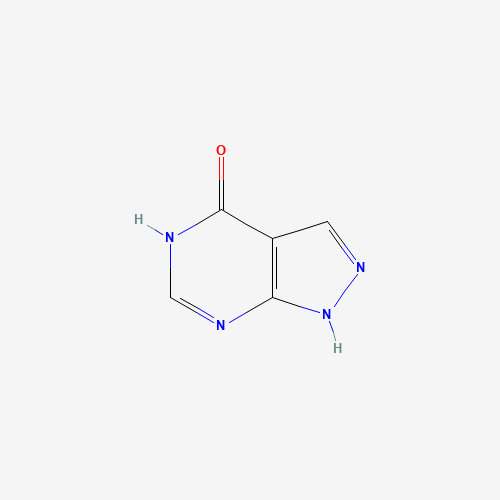
Allopurinol, a xanthine-oxidase inhibitor (prevention, not clearance). - C. Febuxostat: also a xanthine-oxidase inhibitor; useful for prophylaxis but not for rapidly lowering an already-high urate.
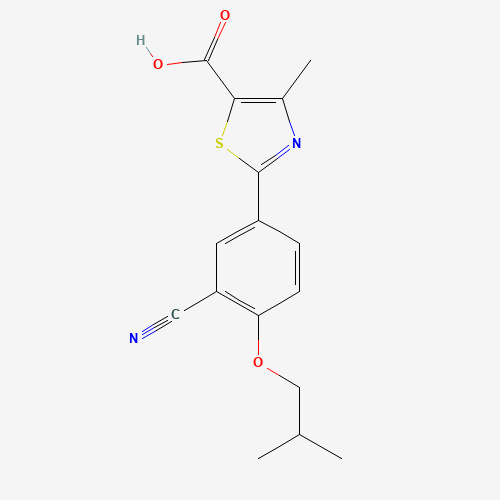
Febuxostat, a non-purine xanthine-oxidase inhibitor. - D. Benzbromarone: a uricosuric that increases renal urate excretion; hazardous when tubules are already loaded with urate and hepatotoxic.
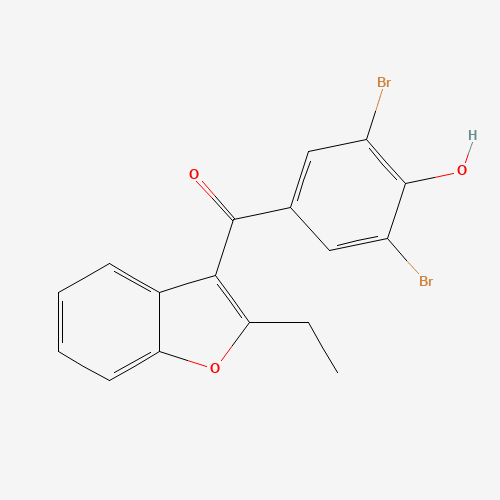
Benzbromarone, a uricosuric agent.
High-Yield Facts:
- Rasburicase converts uric acid to soluble allantoin and lowers urate within hours.
- It is contraindicated in G6PD deficiency (haemolysis, methaemoglobinaemia).
- Allopurinol markedly increases thiopurine (6-mercaptopurine, azathioprine) toxicity - avoid or slash the dose.
- Xanthine-oxidase inhibitors prevent urate formation; rasburicase destroys urate already present.