NEET-PG Radiology Previous Year Questions (2017–2026)

48 NEET-PG Radiology PYQs from 2017 to 2026, tagged by topic, with an explanation for every question. Radiology had 1 of the 180 questions in NEET-PG 2026.

Last verified: 24 September 2026 against Kinase question bank and NEET-PG 2026 recall paper. natboard.edu.in · nmc.org.in

Quick Answer

NEET-PG Radiology had 1 of 180 questions (0.6%) in the NEET-PG 2026 paper — up to 4 marks. Kinase has 48 NEET-PG Radiology PYQs from 2017 to 2026; the most-asked topic is Systemic Radiology (38 questions).

Radiology in NEET-PG at a glance

Questions in NEET-PG 20261 of 180 (0.6%)
Maximum marks at stake4 of 720
NEET-PG Radiology PYQs on Kinase48 (2.9% of all NEET-PG PYQs)
Years covered2017–2026
INICET Radiology PYQs on Kinase69

Most-asked Radiology topics in NEET-PG PYQs

TopicNEET-PG PYQsShare of subject
Systemic Radiology3879%
Fundamentals of Radiology510%
Radiotherapy and Nuclear Medicine48%

Across NEET PG and INI-CET papers: Most repeated Radiology topics →

Sample NEET-PG Radiology PYQs with answers

Question 1 · NEET PG Aug 2026

A newly opened diagnostic centre is completing the regulatory clearances for its imaging equipment before it starts seeing patients. Which of the following devices does NOT require a licence from the Atomic Energy Regulatory Board (AERB)?

  1. A.Ultrasound scanner
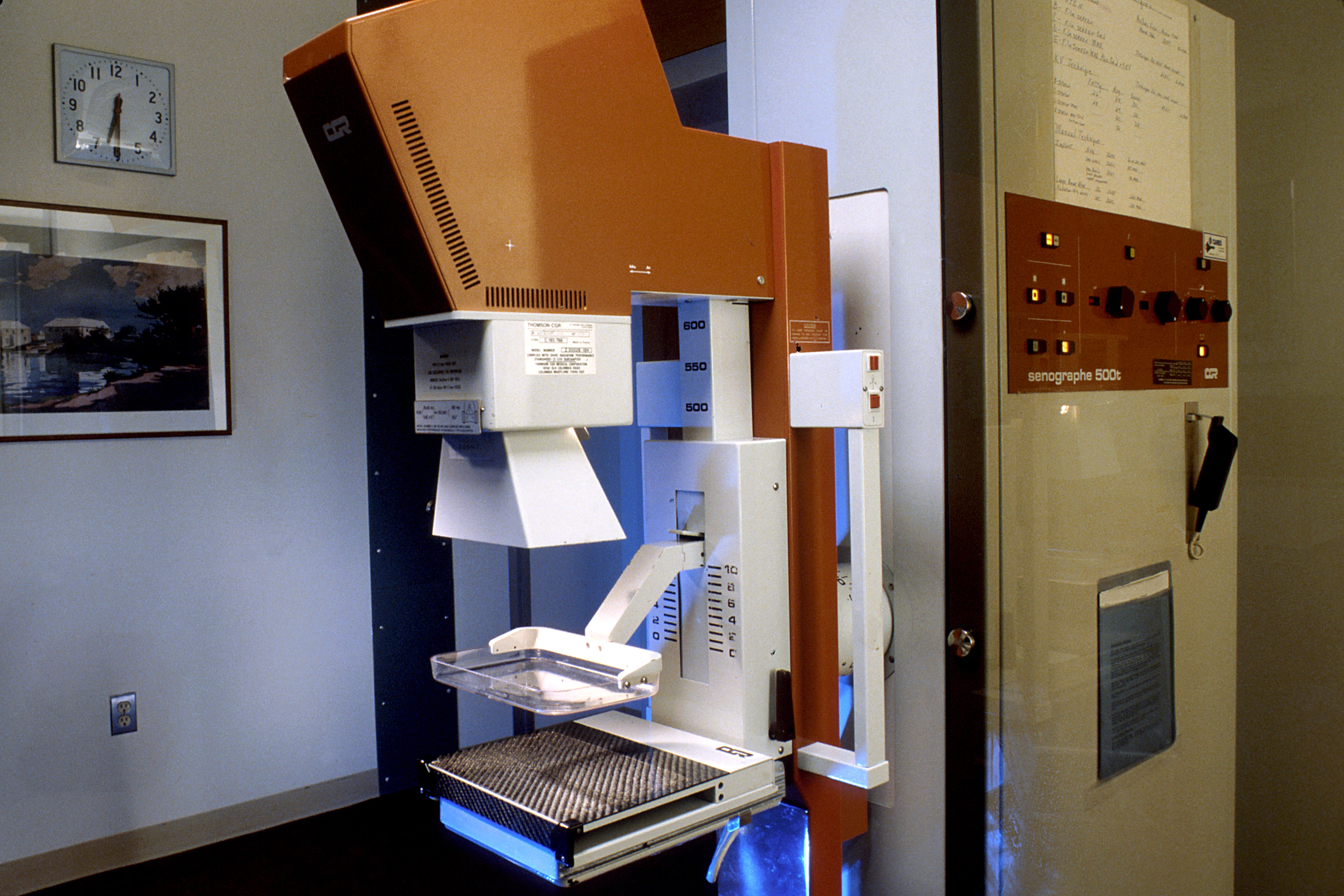
  2. B.Mammography unit
  3. C.Mobile C-arm
  4. D.Portable radiography
Show answer and explanation

Answer: A. Ultrasound scanner

Correct answer: A. Ultrasound scanner.

Ultrasonography uses high-frequency sound waves, not ionising radiation, so it falls outside AERB radiation licensing. In India it is instead regulated under the PC-PNDT Act (to prevent sex determination and female foeticide). All X-ray-based devices - mammography, C-arm and radiography units - emit ionising radiation and require AERB registration and licensing.
ultrasound machine in use Ultrasound uses sound waves and needs no AERB licence.

Incorrect Options:

  • Mammography unit: a dedicated low-kV X-ray system that needs AERB licensing. mammography machine Mammography X-ray unit.
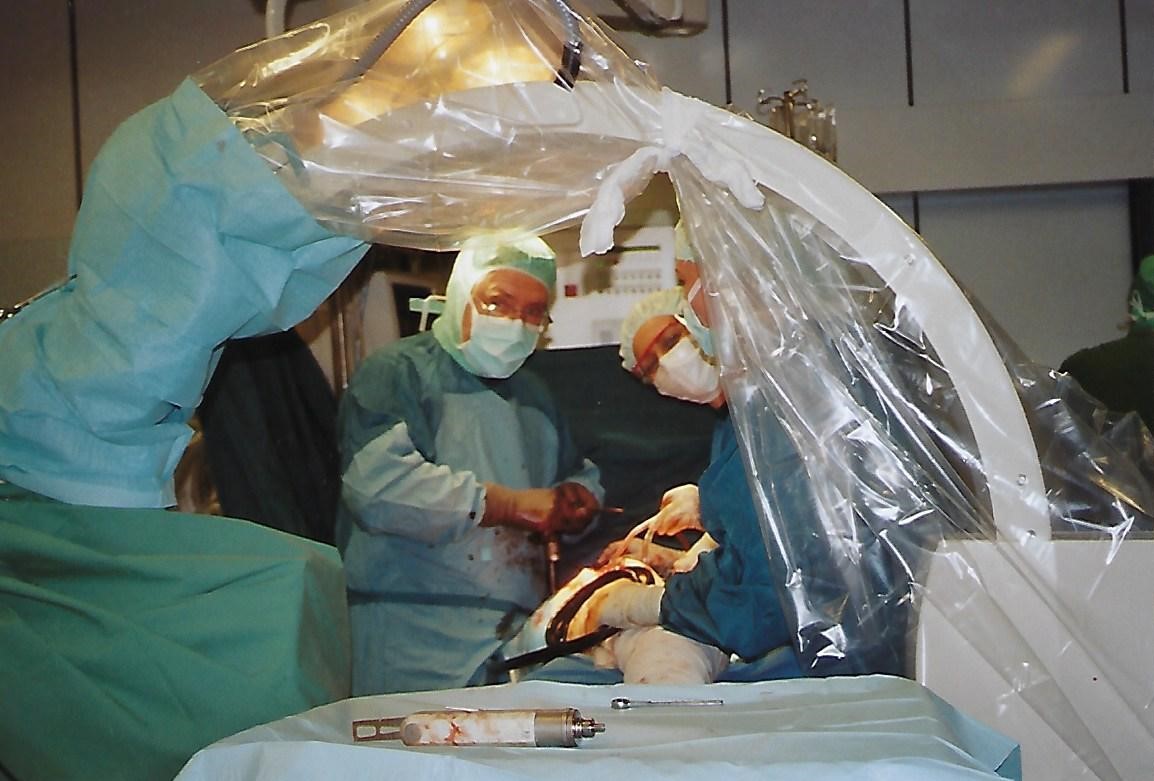
  • Mobile C-arm: an intra-operative fluoroscopy unit emitting continuous X-rays, requires AERB licence. C-arm in operating room Draped C-arm fluoroscopy unit.
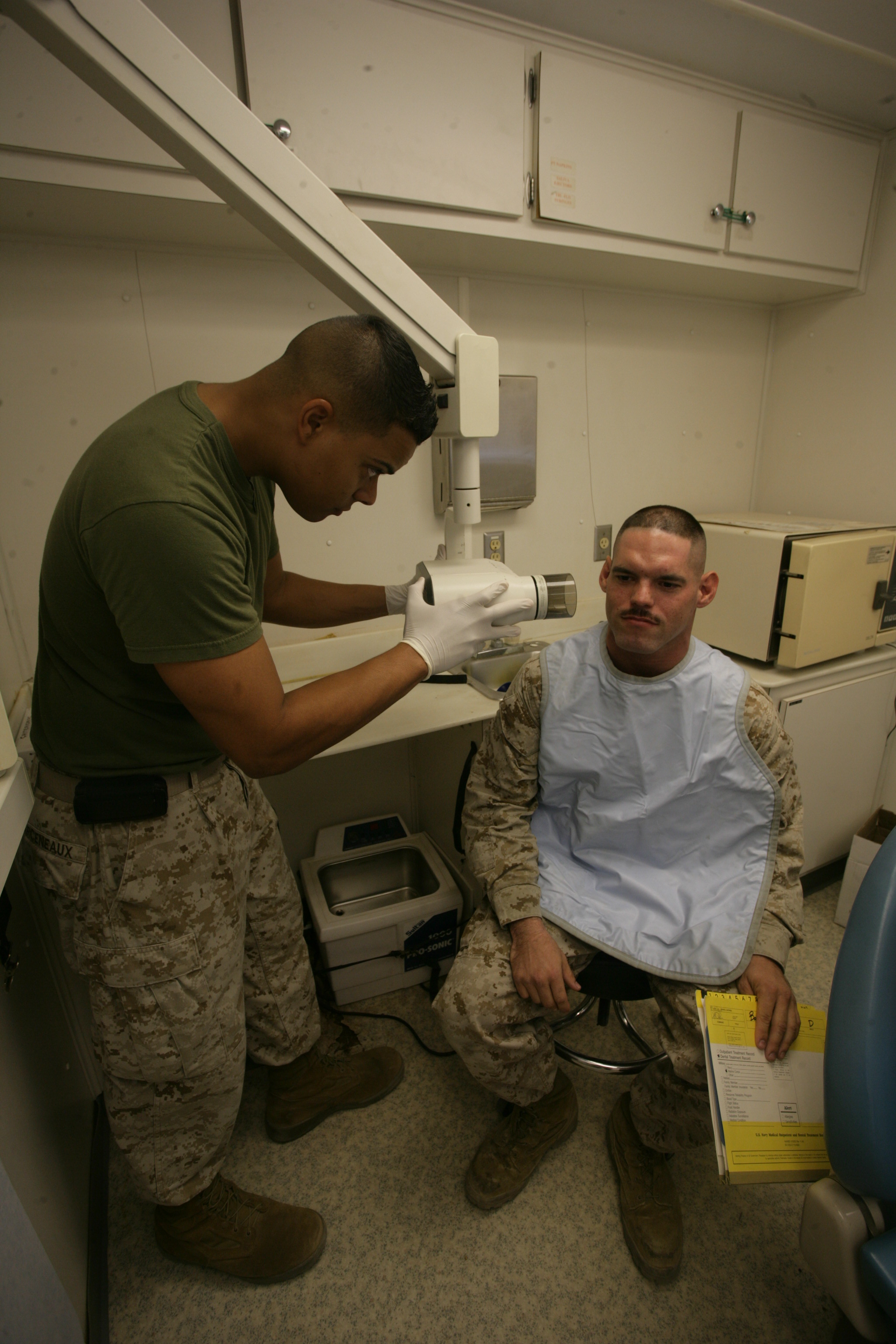
  • Portable radiography: a mobile X-ray generator that also needs AERB registration. portable X-ray unit Portable radiography unit in use.
High-Yield Facts:

  • AERB licenses equipment that emits ionising radiation (X-ray and gamma).
  • Ultrasound and MRI are non-ionising and need no AERB radiation licence.
  • Ultrasound is governed by the PC-PNDT Act in India.
  • Radiography, mammography, fluoroscopy (C-arm), CT and cath-lab units all need AERB clearance.
Question 2 · NEET PG 2023

A 58-year-old female patient diagnosed with endometrial carcinoma is scheduled to receive targeted brachytherapy. Regarding the physical principles of clinical radiotherapy and the radiobiology of human tissues, which of the following statements is accurate?

  1. A.The mucosal lining of the small intestine exhibits high radioresistance
  2. B.The intensity of radiation falls inversely with the square of the distance from the emitting source
  3. C.Microvasculature is significantly more radioresistant than larger caliber blood vessels
  4. D.Cellular populations with high mitotic rates demonstrate the greatest radioresistance
Show answer and explanation

Answer: B. The intensity of radiation falls inversely with the square of the distance from the emitting source

Correct Answer: B. The intensity of radiation falls inversely with the square of the distance from the emitting source

This is simply the inverse square law applied to brachytherapy. Because sources sit directly within or against the tumor, a lethal dose lands on the immediate tissue while intensity collapses exponentially just a few millimeters out, sparing structures further away. The broader radiobiology principle at play is the Law of Bergonie and Tribondeau: ionizing radiation preferentially kills rapidly dividing cells by inflicting DNA damage they cannot repair before the next division, which is exactly why tumors and other high-turnover tissues take the brunt of the dose.

Why the other options fail

  • A. The mucosal lining of the small intestine exhibits high radioresistance: intestinal crypt epithelium divides continuously and is among the most radiosensitive tissue in the body, not resistant.
  • C. Microvasculature is significantly more radioresistant than larger caliber blood vessels: the opposite is true -- small vessels are more radiosensitive than large ones.
  • D. Cellular populations with high mitotic rates demonstrate the greatest radioresistance: high mitotic activity means high radiosensitivity per Bergonie-Tribondeau, not resistance.

Pearl: in brachytherapy the dose dies off with distance squared, and cells die off with how fast they divide -- remember both curves point the same direction.

Question 3 · NEET PG 2021

A 35-year-old male is rushed to the emergency department following a high-speed motorcycle accident. He is fully conscious with a Glasgow Coma Scale score of 15/15. Physical examination reveals bruising and significant tenderness over the left lower rib cage, accompanied by severe guarding in the left upper abdominal quadrant. His vital signs show a blood pressure of 88/50 mmHg and a heart rate of 122 beats per minute. Which of the following is the most appropriate initial imaging modality to perform in the resuscitation bay?

  1. A.Plain abdominal radiography
  2. B.Focused Assessment with Sonography for Trauma (FAST)
  3. C.Diagnostic peritoneal lavage (DPL)
  4. D.Contrast-enhanced computed tomography (CT) of the abdomen
Show answer and explanation

Answer: B. Focused Assessment with Sonography for Trauma (FAST)

The correct answer is Focused Assessment with Sonography for Trauma (FAST).

The patient presents with blunt abdominal trauma, signs of left lower rib and potential splenic injury (left hypochondriac tenderness), and frank hemodynamic instability (hypotension and tachycardia). According to Advanced Trauma Life Support (ATLS) guidelines, in any hemodynamically unstable patient with blunt abdominal trauma, the immediate diagnostic goal is to rapidly identify the presence of life-threatening intra-abdominal hemorrhage. The best initial bedside investigation is the Focused Assessment with Sonography for Trauma (FAST) exam. FAST is a rapid, non-invasive, and highly specific ultrasound evaluation that assesses four key dependent regions for free fluid (blood): the right upper quadrant (perihepatic space/Morison's pouch), the left upper quadrant (perisplenic space), the pelvis (Pouch of Douglas/rectovesical pouch), and the subxiphoid view for the pericardium. Crucially, it can be performed concurrently with active fluid and blood resuscitation right in the emergency department without delaying patient care.

Incorrect Options:

  • Plain abdominal radiography: While an upright chest X-ray is useful for ruling out a pneumothorax or hemothorax in the primary survey, a plain abdominal X-ray has extremely low sensitivity for detecting free intra-abdominal fluid or solid organ injury. It is not a priority in an unstable trauma patient.
  • Diagnostic peritoneal lavage (DPL): Historically used before the widespread availability of ultrasound, DPL is an invasive surgical procedure. It has largely been replaced by the FAST exam in modern trauma algorithms due to the non-invasive nature, repeatability, and speed of ultrasonography. It is now rarely indicated unless FAST and CT are completely unavailable.
  • Contrast-enhanced computed tomography (CT) of the abdomen: CT is the gold standard for diagnosing the exact grade and location of solid organ injuries (e.g., a splenic laceration). However, it requires transporting the patient out of the resuscitation bay to the scanner. Therefore, it is strictly contraindicated in a hemodynamically unstable patient (BP 88/50 mmHg) until they respond adequately to resuscitation.

High-Yield Facts:

  • If a hemodynamically unstable patient has a positive FAST exam indicating hemoperitoneum, the next immediate step in management is an emergency exploratory laparotomy in the operating room.
  • The most commonly injured solid organ in blunt abdominal trauma is the spleen, which is highly associated with left lower rib fractures.
  • The "eFAST" (extended FAST) adds bilateral anterior thoracic views to the standard protocol to quickly detect the presence of a pneumothorax or hemothorax.

Radiology concept guides

Radiology images to recognise

Browse the full concept library and clinical image atlas.

Practise the rest: open the Kinase question bank, choose Radiology, set the exam to NEET-PG and switch on PYQs only. Questions you get wrong go into Fix My Weakness for targeted revision.

Frequently Asked Questions

How many Radiology questions were in NEET-PG 2026?▼
1 of the 180 questions in the NEET-PG 2026 paper (30 August 2026) were Radiology — 0.6% of the paper, worth up to 4 marks at +4 per correct answer. This is from the recall paper in the Kinase question bank.
How many NEET-PG Radiology PYQs does Kinase have?▼
Kinase has 48 NEET-PG Radiology previous year questions from 2017 to 2026, each with an explanation, plus 69 INICET Radiology PYQs for extra practice.
What are the most-asked Radiology topics in NEET-PG?▼
In Kinase's NEET-PG Radiology PYQs, the most-asked topics are Systemic Radiology, Fundamentals of Radiology, Radiotherapy and Nuclear Medicine. Systemic Radiology alone accounts for 38 of the 48 questions.
Are NEET-PG Radiology PYQs the same as INICET PYQs?▼
Both exams test the MBBS syllabus, so most Radiology concepts overlap. The marking differs: NEET-PG is +4 / −1 and INICET is +1 / −1/3. Kinase lets you practise either exam's PYQs, or both together.
How should I practise Radiology PYQs for NEET-PG?▼
Start with the most-asked topics above, do a daily set of Radiology PYQs, and read every explanation — including the ones you got right. Kinase's Fix My Weakness then builds practice sets from the topics you miss most.
48 Radiology PYQs
2017–2026 papers
Topic + year tagged

Ready to Start Practicing?

Radiology was 1 questions (up to 4 marks) in NEET-PG 2026.

Start Free Practice

No credit card required