NEET-PG Microbiology Previous Year Questions (2017–2026)

123 NEET-PG Microbiology PYQs from 2017 to 2026, tagged by topic, with an explanation for every question. Microbiology had 20 of the 180 questions in NEET-PG 2026.

Last verified: 24 September 2026 against Kinase question bank and NEET-PG 2026 recall paper. natboard.edu.in · nmc.org.in

Quick Answer

NEET-PG Microbiology had 20 of 180 questions (11.1%) in the NEET-PG 2026 paper — up to 80 marks. Kinase has 123 NEET-PG Microbiology PYQs from 2017 to 2026; the most-asked topic is Virology (42 questions).

Microbiology in NEET-PG at a glance

Questions in NEET-PG 202620 of 180 (11.1%)
Maximum marks at stake80 of 720
NEET-PG Microbiology PYQs on Kinase123 (7.4% of all NEET-PG PYQs)
Years covered2017–2026
INICET Microbiology PYQs on Kinase250

Most-asked Microbiology topics in NEET-PG PYQs

TopicNEET-PG PYQsShare of subject
Virology4234%
Bacteriology3125%
Parasitology2823%
Immunology87%
Mycology76%

Across NEET PG and INI-CET papers: Most repeated Microbiology topics →

Sample NEET-PG Microbiology PYQs with answers

Question 1 · NEET PG Aug 2026

Two classic bacterial exotoxins both raise intracellular cyclic AMP in the cells they attack. One ADP-ribosylates a stimulatory G-protein alpha subunit so that it can no longer hydrolyse GTP and stays switched on; the other ADP-ribosylates an inhibitory G-protein so that it can no longer switch off adenylyl cyclase. Which option correctly pairs cholera toxin and pertussis toxin with these actions?

  1. A.Cholera activates Gq; pertussis inactivates Gs
  2. B.Cholera inactivates Gs; pertussis activates Gq
  3. C.Cholera inactivates Gi; pertussis activates Gs
  4. D.Cholera activates Gs; pertussis inactivates Gi
Show answer and explanation

Answer: D. Cholera activates Gs; pertussis inactivates Gi

Correct answer: D. Cholera activates Gs; pertussis inactivates Gi

Cholera toxin ADP-ribosylates the Gs alpha subunit, locking it in the active GTP-bound state so adenylyl cyclase runs continuously and cyclic AMP rises, driving massive intestinal chloride and water secretion. Pertussis toxin ADP-ribosylates Gi, preventing it from inhibiting adenylyl cyclase; with the brake removed, cyclic AMP again rises. So cholera activates Gs and pertussis inactivates Gi. Both raise cyclic AMP but from opposite ends of the same pathway.
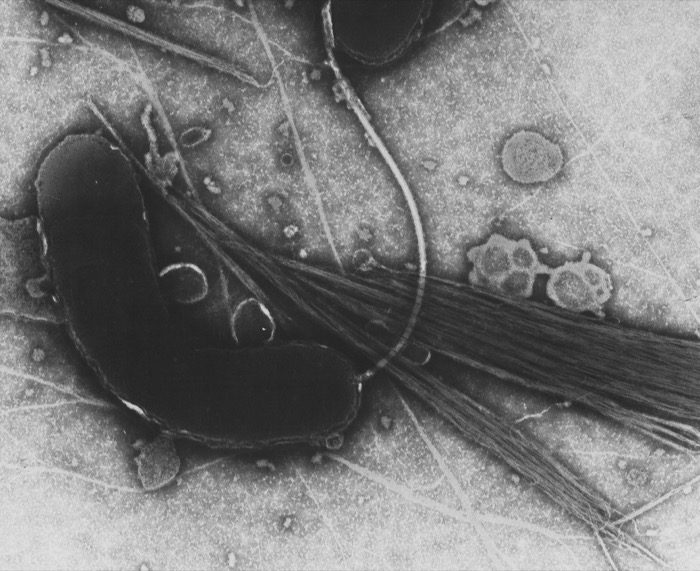
Cholera activates Gs; pertussis inactivates Gi
Cholera activates Gs; pertussis inactivates Gi.

Incorrect Options:

  • A. Cholera activates Gq; pertussis inactivates Gs: cholera acts on Gs, not Gq; pertussis acts on Gi, not Gs.
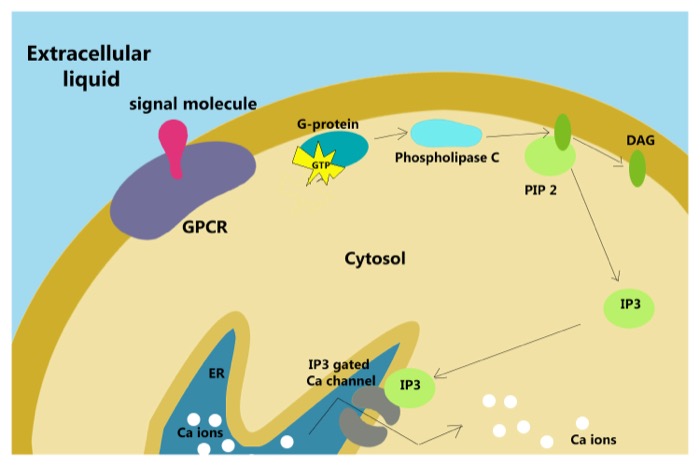
    Cholera activates Gq; pertussis inactivates Gs
    Cholera activates Gq; pertussis inactivates Gs.
  • B. Cholera inactivates Gs; pertussis activates Gq: cholera turns Gs on, and pertussis targets Gi, not Gq.
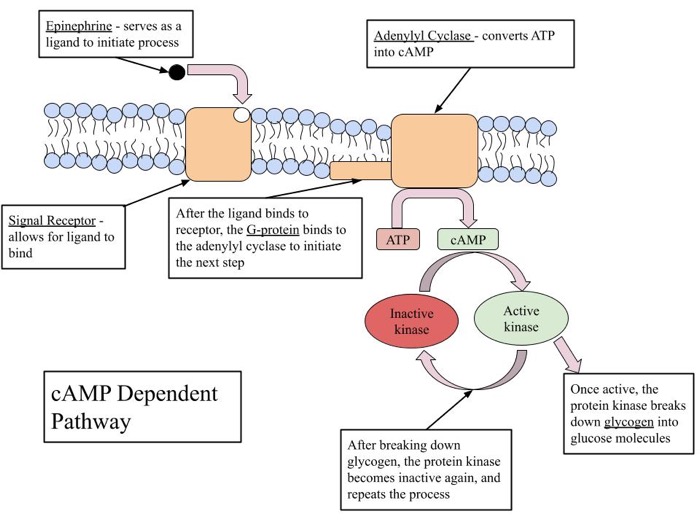
    Cholera inactivates Gs; pertussis activates Gq
    Cholera inactivates Gs; pertussis activates Gq.
  • C. Cholera inactivates Gi; pertussis activates Gs: the targets are swapped: cholera is Gs, pertussis is Gi.
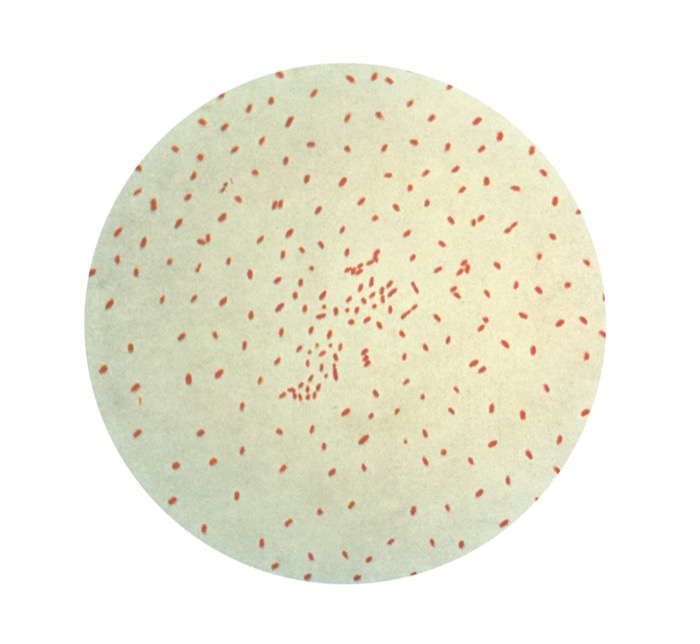
    Cholera inactivates Gi; pertussis activates Gs
    Cholera inactivates Gi; pertussis activates Gs.

High-Yield Facts:

  • Both toxins act by ADP-ribosylation and both raise intracellular cyclic AMP.
  • Cholera toxin locks Gs on; pertussis toxin locks Gi off.
  • Cholera gives voluminous rice-water diarrhoea; pertussis gives whooping cough with lymphocytosis.
  • Heat-labile toxin of enterotoxigenic E. coli acts like cholera toxin on Gs.
Question 2 · NEET PG Aug 2026

In a tumour immunology laboratory, a melanoma clone is engineered to switch off nearly all of its surface MHC class I molecules. As expected, cytotoxic CD8 T cells can no longer recognise it and spare the cells. Yet when the clone is co-cultured with a population of large granular lymphocytes that need no prior antigen priming, the tumour cells are efficiently killed. What explains this second wave of killing?

  1. A.Antibody-dependent cellular cytotoxicity
  2. B.Missing-self NK recognition
  3. C.Complement-mediated lysis
  4. D.Increased presentation on MHC class II
Show answer and explanation

Answer: B. Missing-self NK recognition

Correct answer: B. Missing-self NK recognition.

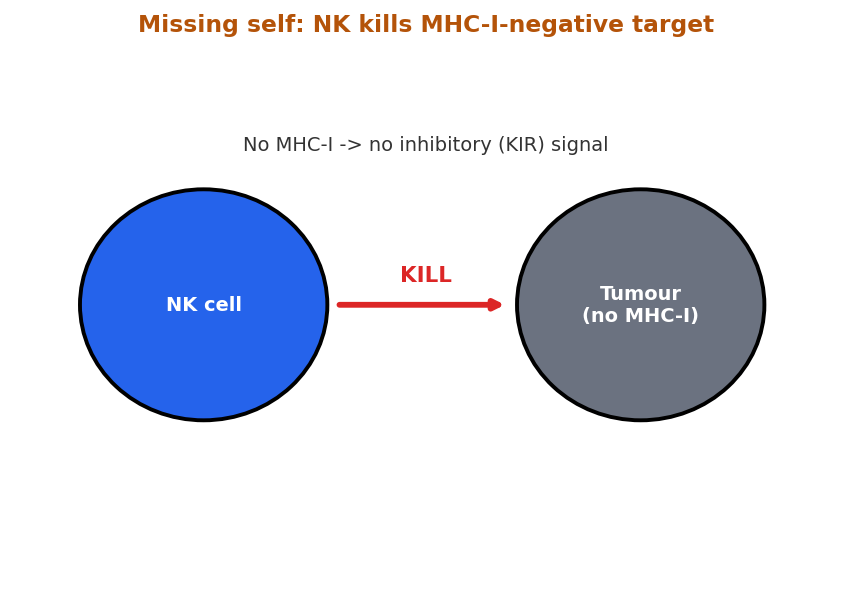
The large granular lymphocytes are natural killer (NK) cells. NK activity is set by a balance between activating and inhibitory receptors. Inhibitory receptors (KIRs) engage self MHC class I and hold the NK cell in check. When a tumour or virus-infected cell downregulates MHC class I to evade cytotoxic T cells, it loses that inhibitory signal -- activating signals now dominate and the NK cell kills it. This is the missing-self hypothesis.

Natural killer cell missing self recognition MHC class I
Missing self: loss of MHC class I releases the NK cell to kill the target.

Incorrect Options:

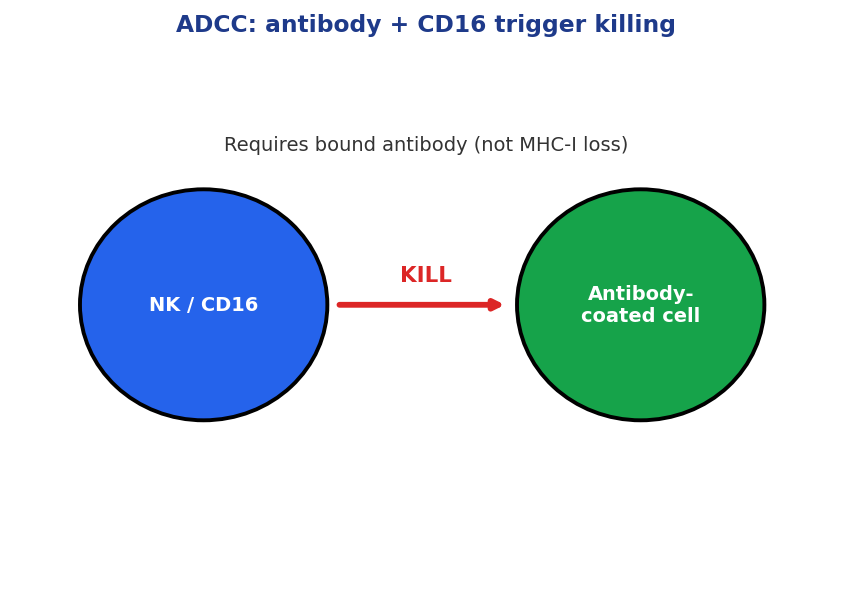
  • A. Antibody-dependent cellular cytotoxicity: ADCC needs target-bound antibody engaging CD16 -- it does not depend on loss of MHC class I.
    Antibody-dependent cellular cytotoxicity mechanism
    ADCC is triggered by antibody-coated targets, not by missing MHC class I.
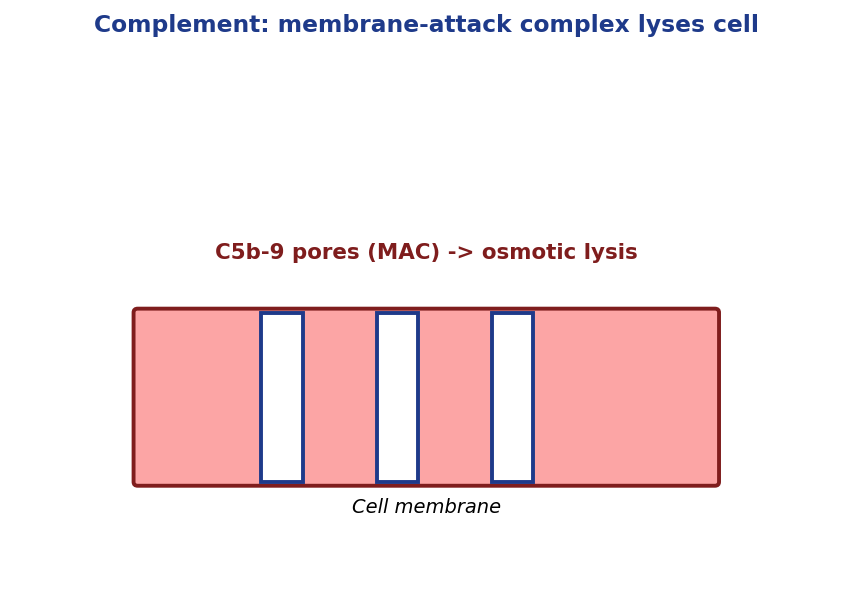
  • C. Complement-mediated lysis: Requires antibody or lectin activation forming the membrane-attack complex, again unrelated to MHC loss.
    Complement membrane attack complex pore
    Complement lysis works through the membrane-attack complex, not NK missing-self.
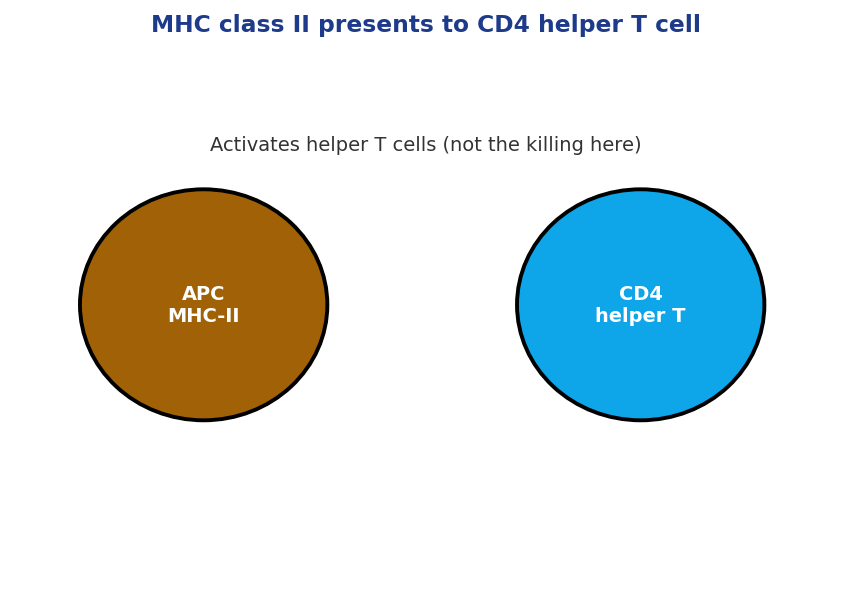
  • D. Increased presentation on MHC class II: The cell is losing MHC I, and class II activates CD4 helper cells, not the described killing.
    MHC class II antigen presentation to CD4 T cell
    MHC class II presents to CD4 helper T cells -- it does not explain NK killing.

High-Yield Facts:

  • NK cells are the main defence against cells that hide by losing MHC class I.
  • Missing-self: absent inhibitory MHC-I signal lets activating signals kill the target.
  • NK cells also mediate ADCC through their CD16 (FcgammaRIII) receptor.
  • Key NK cytokines: interleukin-2, interleukin-15 activate -- they secrete interferon-gamma.
Question 3 · NEET PG Aug 2026

On a leprosy ward round, a man with multiple symmetrical hypopigmented anaesthetic plaques and early collapse of the nasal bridge undergoes a slit-skin smear that is teeming with acid-fast bacilli. Reviewing the reporting conventions used for his disease, which single statement is correct?

  1. A.Bacilli in Virchow foam cells
  2. B.Index = solid:broken ratio
  3. C.Lepromin positive in lepromatous
  4. D.Lepromin is type III reaction
Show answer and explanation

Answer: A. Bacilli in Virchow foam cells

Correct answer: A. Bacilli in Virchow foam cells.

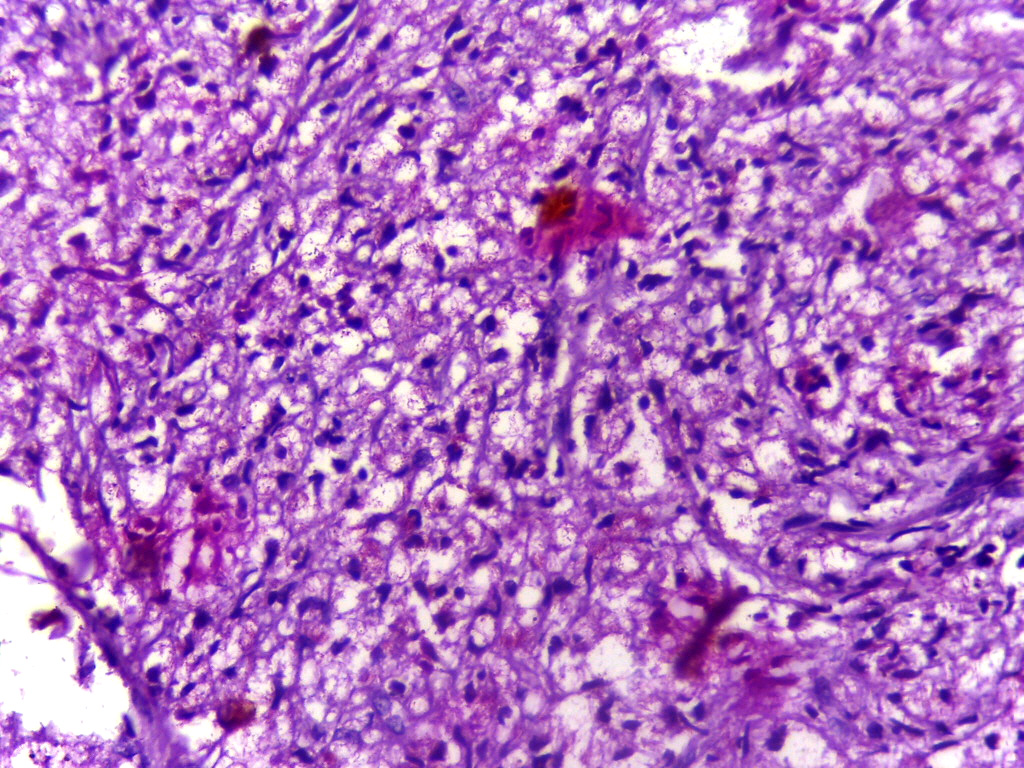
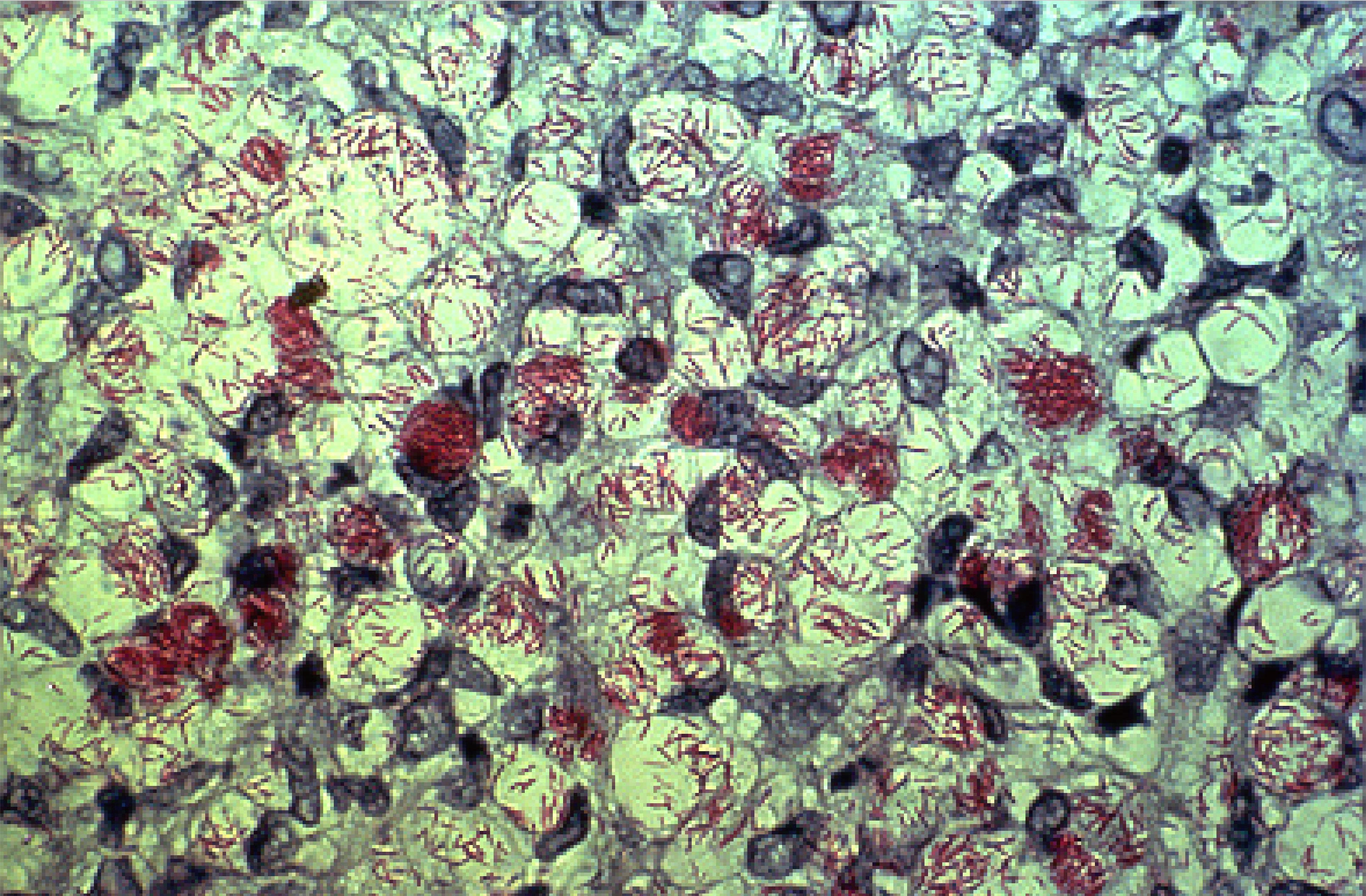
In lepromatous leprosy cell-mediated immunity fails, so vast numbers of Mycobacterium leprae accumulate inside lipid-laden foamy macrophages called Virchow (lepra) cells, sometimes packed into globi. The bacillary load is very high and the lepromin test is negative.

Lepromatous leprosy foamy macrophagesSheets of foamy Virchow cells laden with bacilli in lepromatous leprosy.
Incorrect Options:

  • B. Index = solid:broken ratio: the ratio of solid (viable) to fragmented bacilli is the morphological index. The bacteriological index grades the total load on a 0 to 6 logarithmic scale. Acid-fast bacilli smearZiehl-Neelsen smear: solid versus fragmented bacilli define the morphological index.
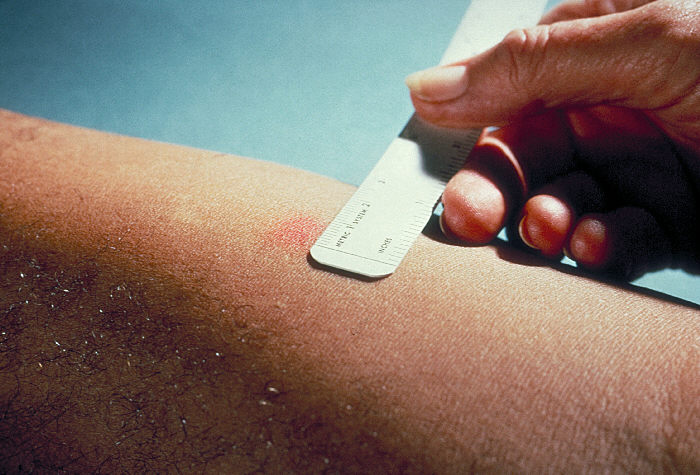
  • C. Lepromin positive in lepromatous: the lepromin (Mitsuda) reaction is negative in lepromatous disease (anergy) and positive in tuberculoid leprosy. Delayed hypersensitivity skin testInduration of a delayed hypersensitivity skin test, as read in the lepromin reaction.
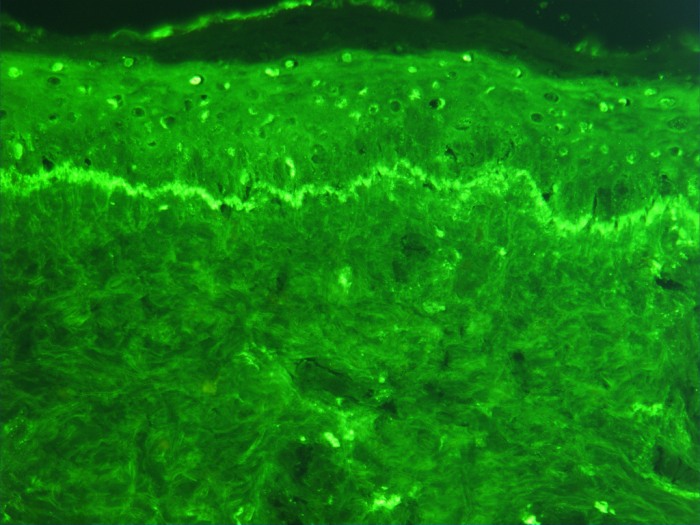
  • D. Lepromin is type III reaction: the lepromin response is a type IV delayed cell-mediated reaction, not an immune-complex (type III) one. Immune complex immunofluorescenceImmunofluorescence band of type III immune-complex deposition, contrasted with the type IV lepromin test.

High-Yield Facts:

  • Bacteriological index grades load 0 to 6 (log scale); morphological index reflects viability and treatment response.
  • Lepromatous pole: T-helper-2 skew, low cell-mediated immunity, high bacilli, lepromin negative.
  • Tuberculoid pole: T-helper-1 skew, strong cell-mediated immunity, few bacilli, lepromin positive.
  • Virchow (lepra) cells are foamy macrophages stuffed with bacilli.

Microbiology concept guides

Microbiology images to recognise

Browse the full concept library and clinical image atlas.

Practise the rest: open the Kinase question bank, choose Microbiology, set the exam to NEET-PG and switch on PYQs only. Questions you get wrong go into Fix My Weakness for targeted revision.

Frequently Asked Questions

How many Microbiology questions were in NEET-PG 2026?▼
20 of the 180 questions in the NEET-PG 2026 paper (30 August 2026) were Microbiology — 11.1% of the paper, worth up to 80 marks at +4 per correct answer. This is from the recall paper in the Kinase question bank.
How many NEET-PG Microbiology PYQs does Kinase have?▼
Kinase has 123 NEET-PG Microbiology previous year questions from 2017 to 2026, each with an explanation, plus 250 INICET Microbiology PYQs for extra practice.
What are the most-asked Microbiology topics in NEET-PG?▼
In Kinase's NEET-PG Microbiology PYQs, the most-asked topics are Virology, Bacteriology, Parasitology. Virology alone accounts for 42 of the 123 questions.
Are NEET-PG Microbiology PYQs the same as INICET PYQs?▼
Both exams test the MBBS syllabus, so most Microbiology concepts overlap. The marking differs: NEET-PG is +4 / −1 and INICET is +1 / −1/3. Kinase lets you practise either exam's PYQs, or both together.
How should I practise Microbiology PYQs for NEET-PG?▼
Start with the most-asked topics above, do a daily set of Microbiology PYQs, and read every explanation — including the ones you got right. Kinase's Fix My Weakness then builds practice sets from the topics you miss most.
123 Microbiology PYQs
2017–2026 papers
Topic + year tagged

Ready to Start Practicing?

Microbiology was 20 questions (up to 80 marks) in NEET-PG 2026.

Start Free Practice

No credit card required