NEET-PG Biochemistry Previous Year Questions (2017–2026)

93 NEET-PG Biochemistry PYQs from 2017 to 2026, tagged by topic, with an explanation for every question. Biochemistry had 7 of the 180 questions in NEET-PG 2026.

Last verified: 24 September 2026 against Kinase question bank and NEET-PG 2026 recall paper. natboard.edu.in · nmc.org.in

Quick Answer

NEET-PG Biochemistry had 7 of 180 questions (3.9%) in the NEET-PG 2026 paper — up to 28 marks. Kinase has 93 NEET-PG Biochemistry PYQs from 2017 to 2026; the most-asked topic is Clinical Biochemistry and Nutrition (22 questions).

Biochemistry in NEET-PG at a glance

Questions in NEET-PG 20267 of 180 (3.9%)
Maximum marks at stake28 of 720
NEET-PG Biochemistry PYQs on Kinase93 (5.6% of all NEET-PG PYQs)
Years covered2017–2026
INICET Biochemistry PYQs on Kinase187

Most-asked Biochemistry topics in NEET-PG PYQs

TopicNEET-PG PYQsShare of subject
Clinical Biochemistry and Nutrition2224%
Proteins1920%
Lipids1819%
Enzymes and Porphyrins1112%
Molecular Biology & Genetics1011%

Across NEET PG and INI-CET papers: Most repeated Biochemistry topics →

Sample NEET-PG Biochemistry PYQs with answers

Question 1 · NEET PG Aug 2026

A 62-year-old chronic smoker with a peripheral lung mass is found to have a raised serum alkaline phosphatase. In the laboratory the sample is heated to 65 degrees Celsius for thirty minutes; the enzyme activity survives the heating. This heat-stable, carcinoplacental isoenzyme classically linked to bronchogenic carcinoma is the:

  1. A.Bone isoenzyme
  2. B.Hepatic isoenzyme
  3. C.Regan isoenzyme
  4. D.Intestinal isoenzyme
Show answer and explanation

Answer: C. Regan isoenzyme

Correct answer: C. Regan isoenzyme

Alkaline phosphatase isoenzymes differ in heat stability. The Regan isoenzyme is a placental-like (carcinoplacental) isoenzyme produced ectopically by tumours, classically bronchogenic carcinoma. Like true placental alkaline phosphatase it is the most heat-stable fraction, retaining activity after heating at 65 degrees Celsius. Bone alkaline phosphatase is the most heat-labile, and liver is intermediate, so surviving the heat test points to the Regan isoenzyme.
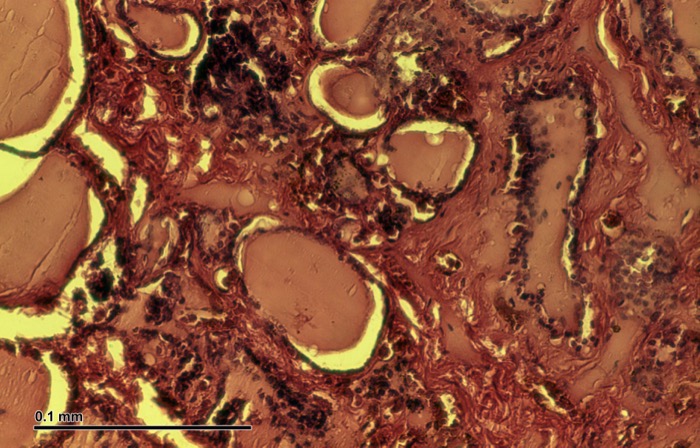
Regan isoenzyme
Regan isoenzyme.

Incorrect Options:

  • A. Bone isoenzyme: bone alkaline phosphatase is the most heat-labile fraction; it is destroyed by heating.
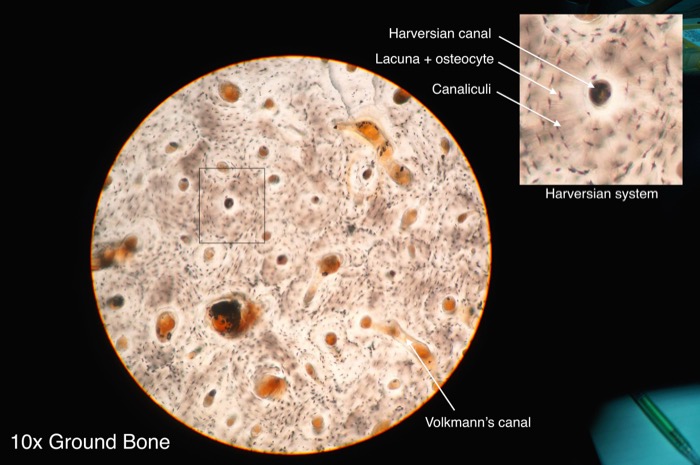
    Bone isoenzyme
    Bone isoenzyme.
  • B. Hepatic isoenzyme: the liver isoenzyme is only intermediate in heat stability, not heat-stable.
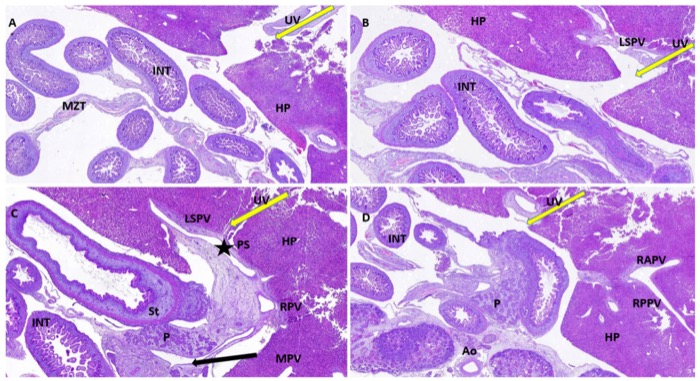
    Hepatic isoenzyme
    Hepatic isoenzyme.
  • D. Intestinal isoenzyme: the intestinal isoenzyme is moderately heat-stable but is not the tumour-associated Regan fraction.
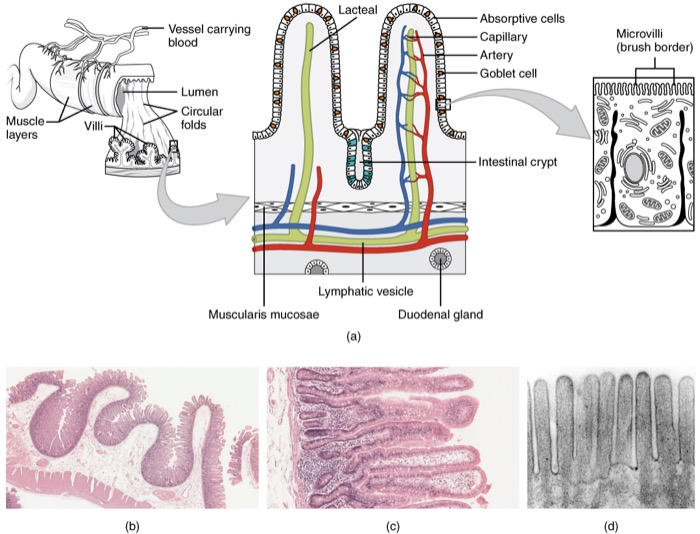
    Intestinal isoenzyme
    Intestinal isoenzyme.

High-Yield Facts:

  • Heat stability order: placental/Regan > intestinal > liver > bone (bone most labile).
  • The Regan isoenzyme is a carcinoplacental alkaline phosphatase, classically with bronchogenic carcinoma.
  • Mnemonic: bone burns (labile); placenta persists (stable).
  • Regan is identical to placental ALP; the Nagao variant is a related tumour isoenzyme.
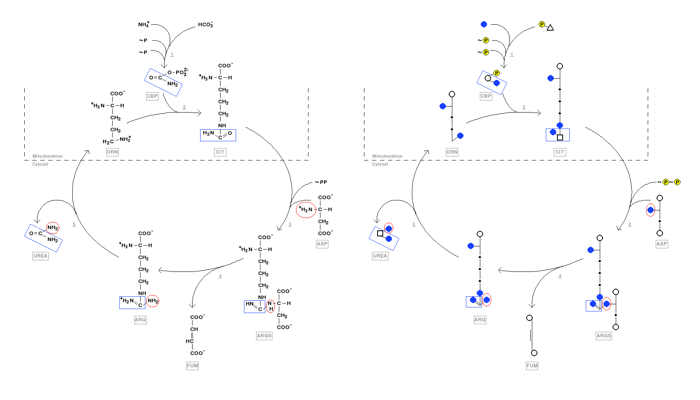
Question 2 · NEET PG Aug 2026

A male neonate becomes lethargic and tachypnoeic on day three of life and is found to have a very high plasma ammonia. Investigations show a low plasma citrulline, markedly raised urinary orotic acid and a completely normal blood count. Tracing the block in the urea cycle, the deficient enzyme is:

  1. A.Carbamoyl phosphate synthetase I
  2. B.Argininosuccinate synthetase
  3. C.Arginase
  4. D.Ornithine transcarbamylase
Show answer and explanation

Answer: D. Ornithine transcarbamylase

Correct answer: D. Ornithine transcarbamylase

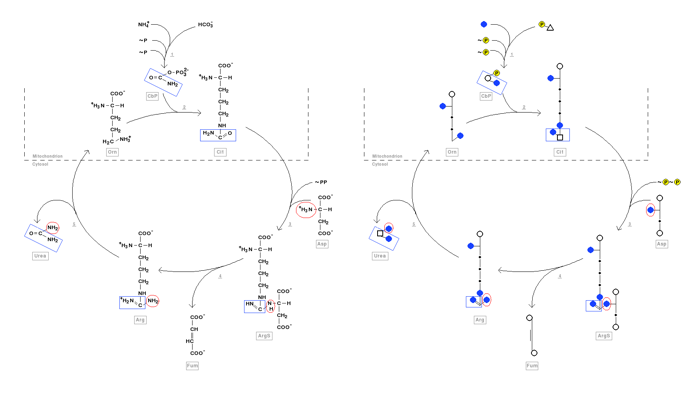
This is ornithine transcarbamylase (OTC) deficiency, the commonest urea cycle defect and the only X-linked one, so it hits male neonates. The block stops citrulline formation (hence low citrulline) and causes carbamoyl phosphate to accumulate and spill into the pyrimidine pathway, giving orotic aciduria. A normal haemogram separates it from hereditary orotic aciduria, in which megaloblastic anaemia is present.

Ornithine transcarbamylase
Ornithine transcarbamylase.

Incorrect Options:

  • A. Carbamoyl phosphate synthetase I: its deficiency also causes hyperammonaemia but with LOW orotic acid, since carbamoyl phosphate is not made.
    Carbamoyl phosphate synthetase I
    Carbamoyl phosphate synthetase I.
  • B. Argininosuccinate synthetase: this causes citrullinaemia, with HIGH, not low, plasma citrulline.
    Argininosuccinate synthetase
    Argininosuccinate synthetase.
  • C. Arginase: arginase deficiency causes argininaemia with spastic diplegia, not neonatal orotic aciduria.
    Arginase
    Arginase.

High-Yield Facts:

  • OTC deficiency is the only X-linked urea cycle disorder and the most common.
  • Low citrulline plus high orotic acid plus hyperammonaemia points to OTC deficiency.
  • Normal haemogram distinguishes OTC deficiency from hereditary orotic aciduria (megaloblastic anaemia).
  • CPS I deficiency gives hyperammonaemia but low orotic acid.
Question 3 · NEET PG Aug 2026

A genetic counsellor sees a couple in which the prospective father is 58 years old. She explains that because male germ cells keep dividing throughout life, they accumulate copy errors, so advanced paternal age most raises the risk of new point mutations that cause conditions such as achondroplasia, Apert and Marfan syndromes. The category of disorder most increased by advanced paternal age is:

  1. A.Autosomal dominant disorder
  2. B.Autosomal recessive disorders
  3. C.X-linked disorders
  4. D.Aneuploidy
Show answer and explanation

Answer: A. Autosomal dominant disorder

Correct answer: A. Autosomal dominant disorder

Advanced paternal age increases new point mutations because spermatogonia divide continuously and accumulate replication errors. Such de novo mutations typically produce autosomal dominant disorders that manifest in a single copy, the classic trio being achondroplasia, Apert syndrome and Marfan syndrome. In contrast, aneuploidy from non-disjunction is the maternal-age effect (for example Down syndrome).

Autosomal dominant disorder
Autosomal dominant disorder.

Incorrect Options:

  • B. Autosomal recessive disorders: these need two mutant alleles and are not driven by new paternal point mutations.
    Autosomal recessive disorders
    Autosomal recessive disorders.
  • C. X-linked disorders: these are not the principal effect of advanced paternal age.
    X-linked disorders
    X-linked disorders.
  • D. Aneuploidy: chromosomal non-disjunction is the maternal-age effect, not the paternal-age effect.
    Aneuploidy
    Aneuploidy.

High-Yield Facts:

  • Advanced paternal age raises de novo autosomal dominant point mutations.
  • Classic examples: achondroplasia, Apert syndrome, Marfan syndrome.
  • Advanced maternal age raises aneuploidy (non-disjunction), e.g. Down syndrome.
  • Achondroplasia is caused by an activating FGFR3 mutation.

Biochemistry concept guides

Browse the full concept library and clinical image atlas.

Practise the rest: open the Kinase question bank, choose Biochemistry, set the exam to NEET-PG and switch on PYQs only. Questions you get wrong go into Fix My Weakness for targeted revision.

Frequently Asked Questions

How many Biochemistry questions were in NEET-PG 2026?▼
7 of the 180 questions in the NEET-PG 2026 paper (30 August 2026) were Biochemistry — 3.9% of the paper, worth up to 28 marks at +4 per correct answer. This is from the recall paper in the Kinase question bank.
How many NEET-PG Biochemistry PYQs does Kinase have?▼
Kinase has 93 NEET-PG Biochemistry previous year questions from 2017 to 2026, each with an explanation, plus 187 INICET Biochemistry PYQs for extra practice.
What are the most-asked Biochemistry topics in NEET-PG?▼
In Kinase's NEET-PG Biochemistry PYQs, the most-asked topics are Clinical Biochemistry and Nutrition, Proteins, Lipids. Clinical Biochemistry and Nutrition alone accounts for 22 of the 93 questions.
Are NEET-PG Biochemistry PYQs the same as INICET PYQs?▼
Both exams test the MBBS syllabus, so most Biochemistry concepts overlap. The marking differs: NEET-PG is +4 / −1 and INICET is +1 / −1/3. Kinase lets you practise either exam's PYQs, or both together.
How should I practise Biochemistry PYQs for NEET-PG?▼
Start with the most-asked topics above, do a daily set of Biochemistry PYQs, and read every explanation — including the ones you got right. Kinase's Fix My Weakness then builds practice sets from the topics you miss most.
93 Biochemistry PYQs
2017–2026 papers
Topic + year tagged

Ready to Start Practicing?

Biochemistry was 7 questions (up to 28 marks) in NEET-PG 2026.

Start Free Practice

No credit card required