NEET-PG FMT (Forensic Medicine) Previous Year Questions (2017–2026)

53 NEET-PG FMT (Forensic Medicine) PYQs from 2017 to 2026, tagged by topic, with an explanation for every question. FMT (Forensic Medicine) had 5 of the 180 questions in NEET-PG 2026.

Last verified: 24 September 2026 against Kinase question bank and NEET-PG 2026 recall paper. natboard.edu.in · nmc.org.in

Quick Answer

NEET-PG FMT (Forensic Medicine) had 5 of 180 questions (2.8%) in the NEET-PG 2026 paper — up to 20 marks. Kinase has 53 NEET-PG FMT (Forensic Medicine) PYQs from 2017 to 2026; the most-asked topic is Medical Jurisprudence, Death and Postmortem Changes (26 questions).

FMT (Forensic Medicine) in NEET-PG at a glance

Questions in NEET-PG 20265 of 180 (2.8%)
Maximum marks at stake20 of 720
NEET-PG FMT (Forensic Medicine) PYQs on Kinase53 (3.2% of all NEET-PG PYQs)
Years covered2017–2026
INICET FMT (Forensic Medicine) PYQs on Kinase140

Most-asked FMT (Forensic Medicine) topics in NEET-PG PYQs

TopicNEET-PG PYQsShare of subject
Medical Jurisprudence, Death and Postmortem Changes2649%
Forensic Medicine Identification815%
Sexual Offences and Abortion815%
Injuries713%
Medico Legal Autopsy36%

Across NEET PG and INI-CET papers: Most repeated FMT (Forensic Medicine) topics →

Sample NEET-PG FMT (Forensic Medicine) PYQs with answers

Question 1 · NEET PG Aug 2026

During autopsy of a young farmer, 5 mL of gastric aspirate is diluted with 15 mL of water in a flask. A strip of filter paper soaked in 0.1 percent silver nitrate is suspended over the mouth of the flask, which is then gently warmed. The paper turns black. Which poison does this bedside test indicate?

  1. A.Paraquat
  2. B.Arsenic poisoning
  3. C.Organophosphate insecticide
  4. D.Aluminium phosphide
Show answer and explanation

Answer: D. Aluminium phosphide

Correct answer: D. Aluminium phosphide.

Why this is correct: Aluminium phosphide (celphos, a grain fumigant) reacts with moisture and gastric acid to liberate phosphine gas. On warming the aspirate, phosphine rises and reduces silver nitrate to metallic silver, turning the impregnated paper black (the silver nitrate paper test). Phosphine causes profound cardiotoxicity, refractory shock and metabolic acidosis; there is no specific antidote, so management is supportive, sometimes with magnesium sulphate and intensive haemodynamic support.
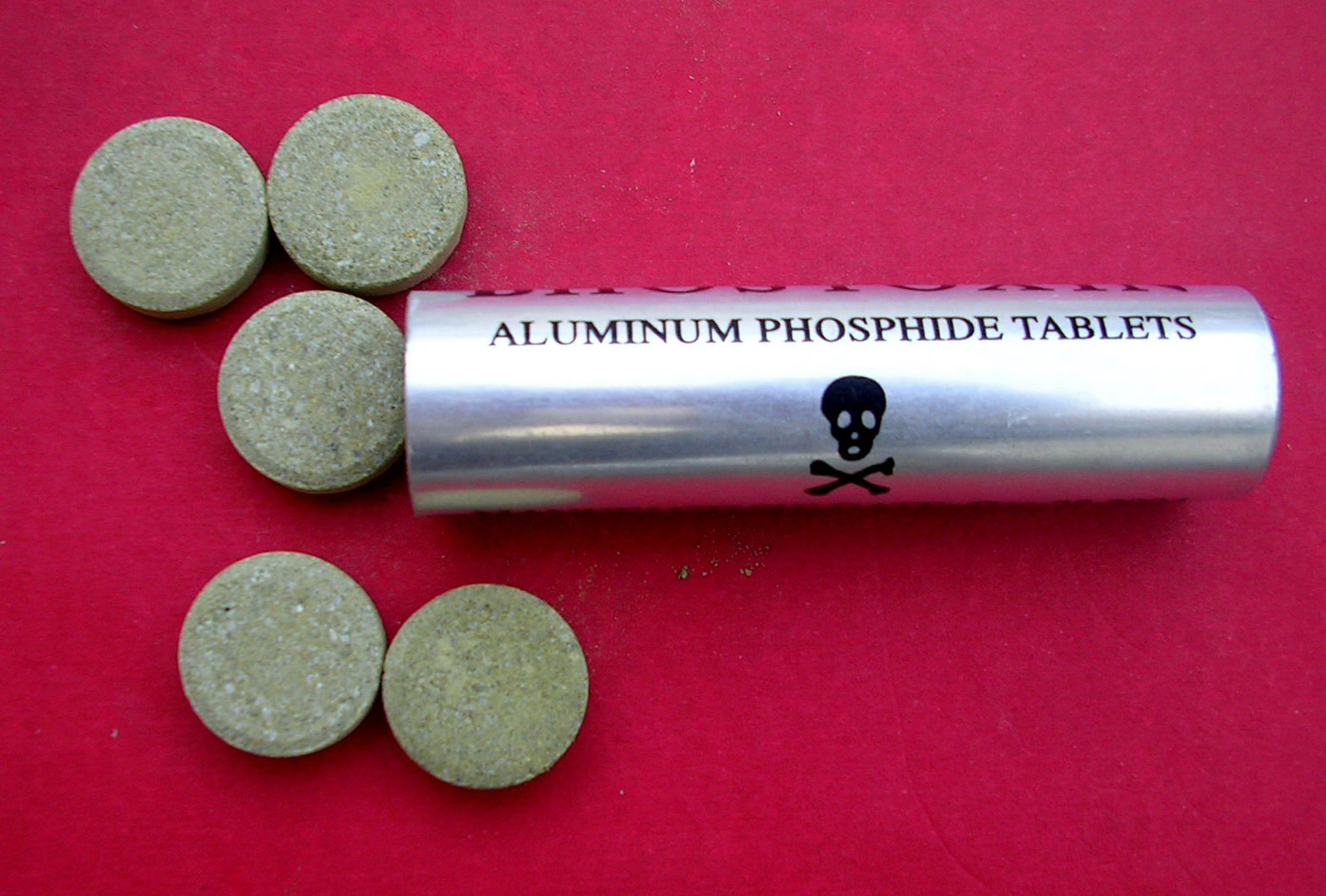
Aluminium phosphide fumigant tablets

Aluminium phosphide tablets - release phosphine that blackens silver nitrate paper.

Incorrect Options:

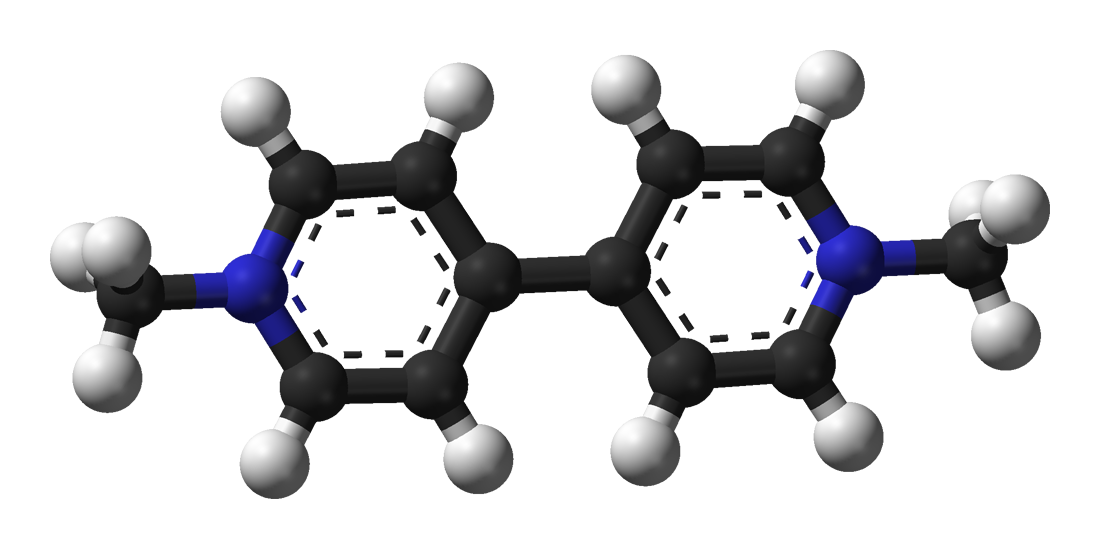
  • A. Paraquat: A herbicide causing progressive pulmonary fibrosis; it does not release phosphine or blacken silver nitrate paper.
  • Molecular model of paraquat

    Paraquat, a lung-toxic herbicide.

  • B. Arsenic poisoning: Detected by the Reinsch or Marsh test (silver-grey mirror), not by phosphine liberation.
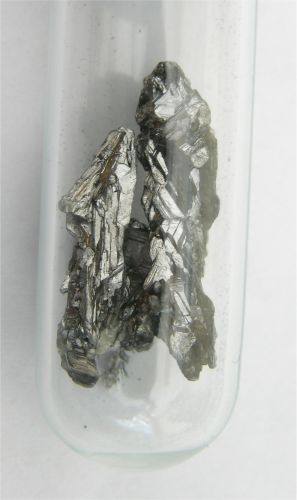
  • Elemental arsenic in a vial

    Arsenic - identified by the Marsh/Reinsch test.

  • C. Organophosphate insecticide: Causes a cholinergic crisis with low pseudocholinesterase; the antidote is atropine plus pralidoxime, and it does not blacken silver nitrate paper.
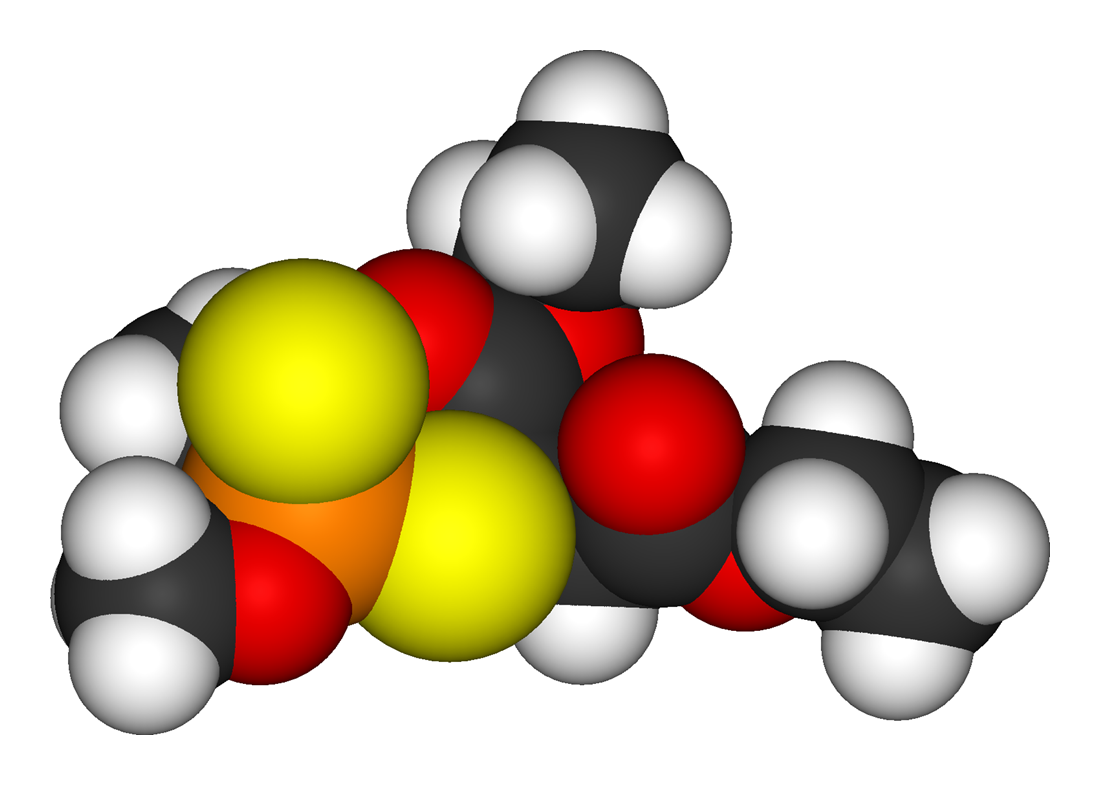
  • Space-filling model of an organophosphate (malathion)

    An organophosphate (malathion) - treated with atropine and pralidoxime.

High-Yield Facts:

  • Aluminium phosphide releases phosphine, which reduces silver nitrate paper to black metallic silver.
  • There is no antidote; care is supportive, with magnesium sulphate and aggressive shock management.
  • Arsenic is detected by the Marsh and Reinsch tests; organophosphates by low cholinesterase.
  • Phosphine has a garlic or decaying-fish odour and causes severe cardiotoxic shock.
Question 2 · NEET PG Aug 2026

At autopsy, a firearm entry wound shows scattered punctate abrasions (tattooing) around the wound but there is no singeing of hair and no blackening/soot deposition. From these features, the range of fire is best described as:

  1. A.Intermediate range
  2. B.Contact (muzzle) range
  3. C.Close range
  4. D.Distant range
Show answer and explanation

Answer: A. Intermediate range

Correct answer: A. Intermediate range.

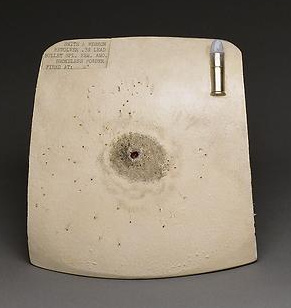
Why this is correct: Tattooing (stippling) is caused by unburnt and partially burnt powder grains striking the skin. Its presence, together with the absence of singeing and blackening, places the muzzle beyond the reach of flame (singeing, up to about 15 cm) and soot (blackening, up to about 30 cm) but within range of powder grains (tattooing, up to about 60 to 100 cm). This combination defines an intermediate (medium) range of fire.

Test card fired at intermediate range showing tattooing/stippling

Intermediate range: scattered powder tattooing without soot or singeing.

Incorrect Options:

  • B. Contact range: Shows muzzle imprint, singeing, and soot/gases driven into the wound (with possible stellate tearing over bone) - not seen here.
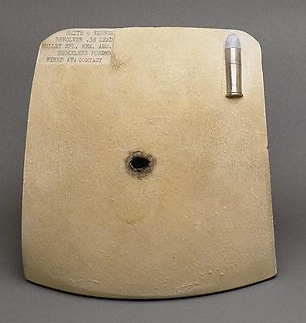
  • Test card fired at contact range

    Contact range: dense central deposition at the muzzle.

  • C. Close range: Within about 30 cm there is prominent blackening (soot) and often singeing, which are absent in this case.
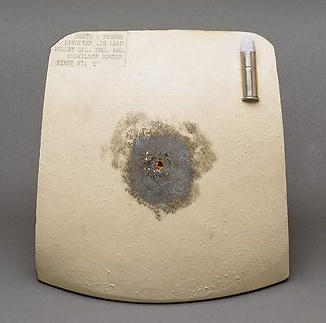
  • Test card fired at close range showing blackening

    Close range: heavy blackening (soot) around the hole.

  • D. Distant range: Beyond the reach of powder grains there is only the bullet hole with an abrasion collar - no tattooing at all.
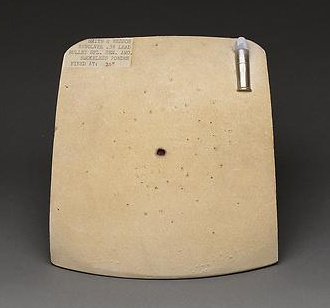
  • Test card fired at distant range showing only the hole

    Distant range: only the entry hole, no powder marks.

High-Yield Facts:

  • Singeing of hair occurs within about 15 cm; blackening (soot) up to about 30 cm.
  • Tattooing (stippling) from powder grains extends to about 60 to 100 cm and cannot be wiped off.
  • Tattooing alone (no singeing/soot) indicates intermediate range.
  • Distant range shows only the entry hole with an abrasion collar and grease collar.
Question 3 · NEET PG Aug 2026

Police bring an unconscious man with a severe head injury after a road traffic accident. He needs immediate life-saving surgery, but he cannot consent and no relative is available. What is the correct course of action for the surgeon?

  1. A.Obtain written police permission first
  2. B.Proceed under emergency implied consent
  3. C.Wait for a relative to arrive
  4. D.Await the medical superintendent
Show answer and explanation

Answer: B. Proceed under emergency implied consent

Correct answer: B. Proceed under emergency implied consent.

Why this is correct: In a genuine life-threatening emergency where the patient is incapable of consenting and no authorised relative is available, the doctor may proceed with immediate treatment under the doctrine of necessity (emergency/implied consent). The law presumes a reasonable person would consent to life-saving intervention, so delaying essential surgery would be negligent. Consent from police is not valid consent for treatment, and waiting for a relative or administrator would dangerously delay care.

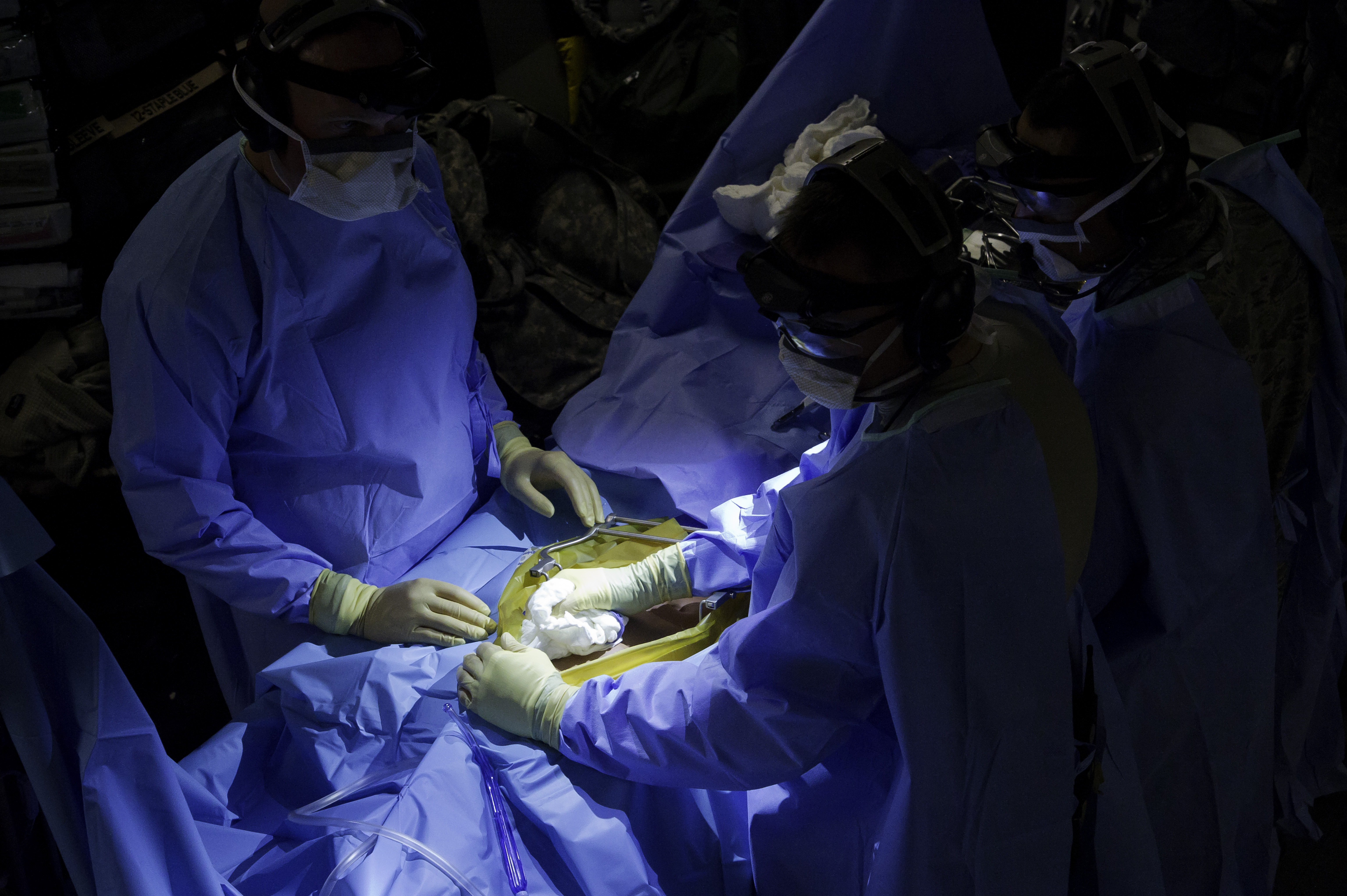
Emergency surgery being performed

Life-saving surgery proceeds under the doctrine of necessity (emergency implied consent).

Incorrect Options:

  • A. Obtain written police permission first: The police cannot give consent for medical treatment; requiring it would only delay life-saving care.
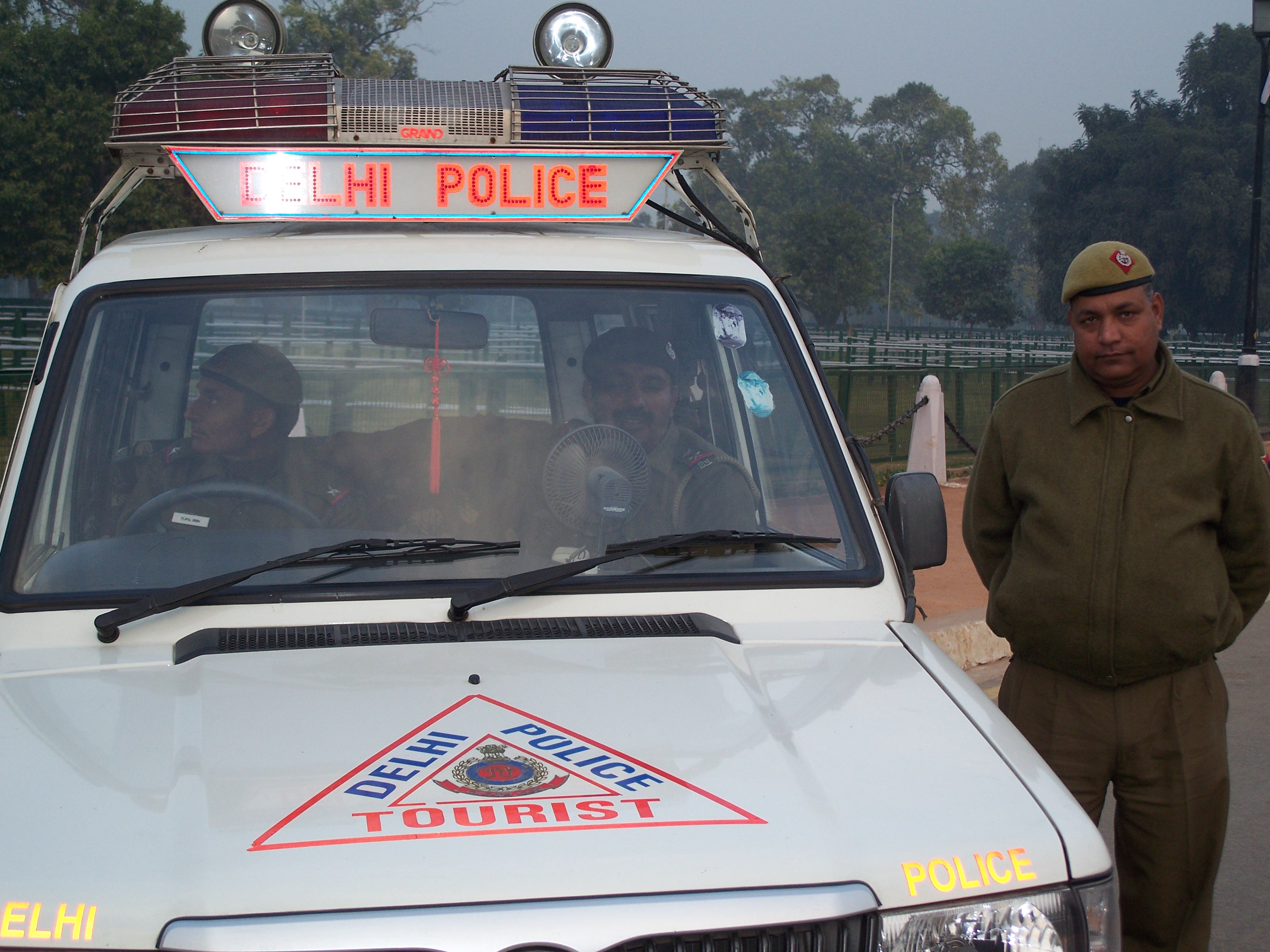
  • Police officer and vehicle

    Police cannot consent to a patient's treatment.

  • C. Wait for a relative to arrive: Delaying essential emergency surgery to await a relative would be negligent in a life-threatening situation.
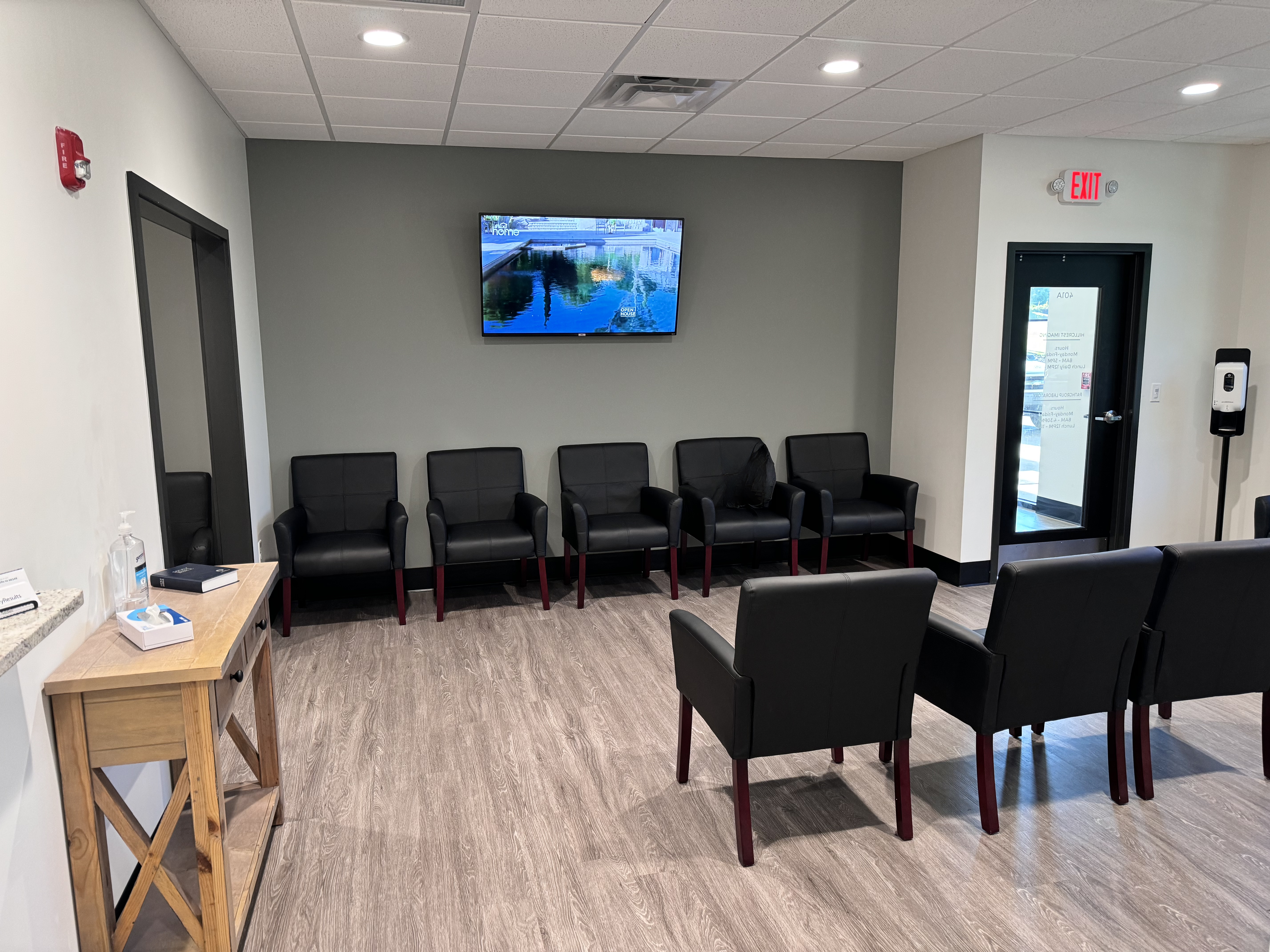
  • Empty hospital waiting room

    Waiting for relatives would dangerously delay treatment.

  • D. Await the medical superintendent: Administrative permission is not required to render immediate life-saving care under necessity.
  • Hospital administration building

    Administrative sign-off is not needed for emergency care.

High-Yield Facts:

  • Doctrine of necessity permits emergency treatment of an incapacitated patient without formal consent.
  • Consent for treatment must come from the patient or a legally authorised surrogate, not the police.
  • Implied consent applies when a reasonable person would agree to life-saving intervention.
  • Do only what is necessary to save life or prevent serious harm until proper consent can be obtained.

FMT (Forensic Medicine) concept guides

Browse the full concept library and clinical image atlas.

Practise the rest: open the Kinase question bank, choose FMT (Forensic Medicine), set the exam to NEET-PG and switch on PYQs only. Questions you get wrong go into Fix My Weakness for targeted revision.

Frequently Asked Questions

How many FMT (Forensic Medicine) questions were in NEET-PG 2026?▼
5 of the 180 questions in the NEET-PG 2026 paper (30 August 2026) were FMT (Forensic Medicine) — 2.8% of the paper, worth up to 20 marks at +4 per correct answer. This is from the recall paper in the Kinase question bank.
How many NEET-PG FMT (Forensic Medicine) PYQs does Kinase have?▼
Kinase has 53 NEET-PG FMT (Forensic Medicine) previous year questions from 2017 to 2026, each with an explanation, plus 140 INICET FMT (Forensic Medicine) PYQs for extra practice.
What are the most-asked FMT (Forensic Medicine) topics in NEET-PG?▼
In Kinase's NEET-PG FMT (Forensic Medicine) PYQs, the most-asked topics are Medical Jurisprudence, Death and Postmortem Changes, Forensic Medicine Identification, Sexual Offences and Abortion. Medical Jurisprudence, Death and Postmortem Changes alone accounts for 26 of the 53 questions.
Are NEET-PG FMT (Forensic Medicine) PYQs the same as INICET PYQs?▼
Both exams test the MBBS syllabus, so most FMT (Forensic Medicine) concepts overlap. The marking differs: NEET-PG is +4 / −1 and INICET is +1 / −1/3. Kinase lets you practise either exam's PYQs, or both together.
How should I practise FMT (Forensic Medicine) PYQs for NEET-PG?▼
Start with the most-asked topics above, do a daily set of FMT (Forensic Medicine) PYQs, and read every explanation — including the ones you got right. Kinase's Fix My Weakness then builds practice sets from the topics you miss most.
53 FMT (Forensic Medicine) PYQs
2017–2026 papers
Topic + year tagged

Ready to Start Practicing?

FMT (Forensic Medicine) was 5 questions (up to 20 marks) in NEET-PG 2026.

Start Free Practice

No credit card required