Which of the following is not a ligand-gated channel receptor?
- A.Nicotinic receptor
- B.H2 receptor
- C.GABA A receptor
- D.5HT3 receptor
Show answer and explanation
Answer: B. H2 receptor
The correct answer is H2 receptor.
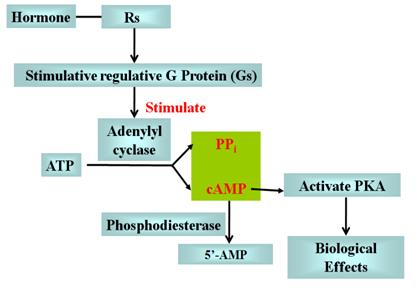
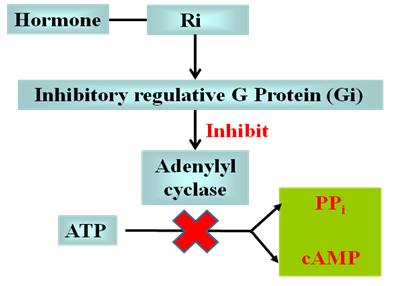
Ligand-gated ion channels (ionotropic receptors) open an ion channel directly when a ligand binds, giving very fast signalling. The classic examples are the nicotinic acetylcholine, GABA-A, glycine, 5-HT3 and ionotropic glutamate (NMDA/AMPA) receptors. The nicotinic, GABA-A and 5-HT3 receptors in this question are all ligand-gated channels (nicotinic and 5-HT3 are cation channels, GABA-A a chloride channel). The histamine H2 receptor, in contrast, is a G-protein-coupled receptor (GPCR) - it couples to Gs and acts through cAMP (stimulating gastric acid secretion), not by gating an ion channel. So H2 is the odd one out.
This is the key distinction: ionotropic receptors are fast ion channels, whereas metabotropic GPCRs like H2 signal more slowly through G-proteins and second messengers.
Incorrect Options:
- Nicotinic receptor: a ligand-gated cation channel, the classic ionotropic receptor at the neuromuscular junction and ganglia.
- GABA A receptor: a ligand-gated chloride channel, the main inhibitory ionotropic receptor.
- 5HT3 receptor: a ligand-gated cation channel, the only ionotropic serotonin receptor.
High-Yield Facts:
- Ligand-gated ion channels: nicotinic, GABA-A, glycine, 5-HT3, ionotropic glutamate.
- H2 (and all other histamine receptors) are GPCRs.
- H2 couples to Gs and raises cAMP, stimulating gastric acid.
- 5-HT3 is the only ionotropic serotonin receptor, and the rest are GPCRs.
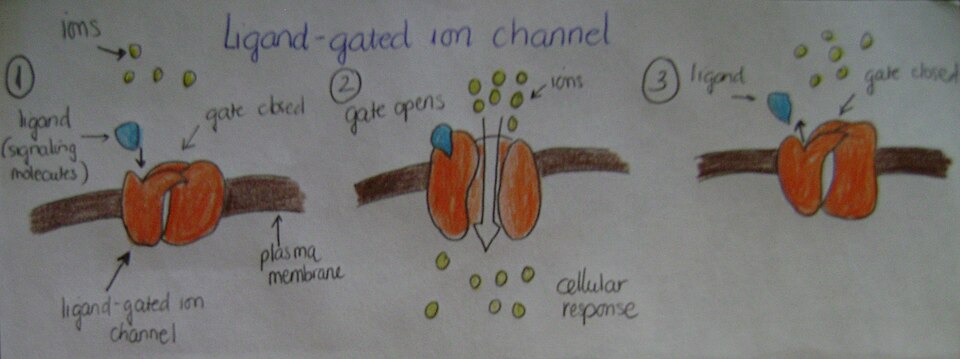
Figure 1: A ligand-gated ion channel - ligand binding opens the channel and ions flow (nicotinic, GABA-A, 5-HT3).
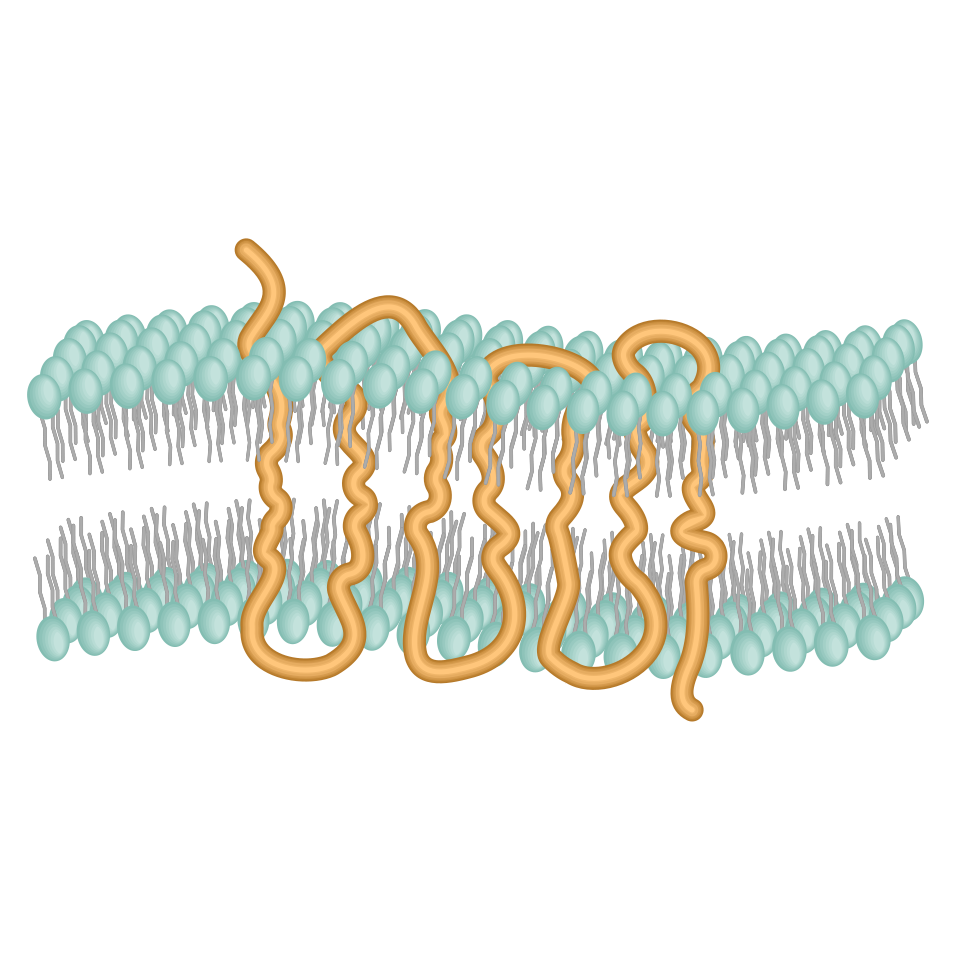
Figure 2: A seven-transmembrane GPCR - the histamine H2 receptor is this type, signalling via Gs and cAMP rather than an ion channel.