INICET ENT Previous Year Questions (2018–2026)

91 INICET ENT PYQs from 2018 to 2026, tagged by topic, with an explanation for every question. Practise AIIMS-pattern ENT questions before INICET November 2026.

Last verified: 24 September 2026 against AIIMS New Delhi notices and aiimsexams.ac.in.

Quick Answer

Kinase has 91 INICET ENT PYQs from 2018 to 2026 — 2.7% of all INICET PYQs in the bank. The most-asked topic is Ear (43 questions). INICET is marked +1 / −1/3, so a blind guess is worth nothing on average.

ENT in INICET at a glance

INICET ENT PYQs on Kinase91 (2.7% of all INICET PYQs)
Years covered2018–2026
Marking+1 correct, −1/3 wrong
NEET-PG ENT PYQs on Kinase44

Most-asked ENT topics in INICET PYQs

TopicINICET PYQsShare of subject
Ear4347%
Nose2730%
Pharynx1112%
Larynx and Applied ENT910%
Instruments11%

Across NEET PG and INI-CET papers: Most repeated ENT topics →

Sample INICET ENT PYQs with answers

Question 1 · INICET May 2026

Which of the following is not a component of the classical triad of Melkersson-Rosenthal syndrome?

  1. A.Orofacial edema
  2. B.Proptosis
  3. C.Fissured tongue
  4. D.Recurrent facial paralysis
Show answer and explanation

Answer: B. Proptosis

The correct answer is Proptosis.

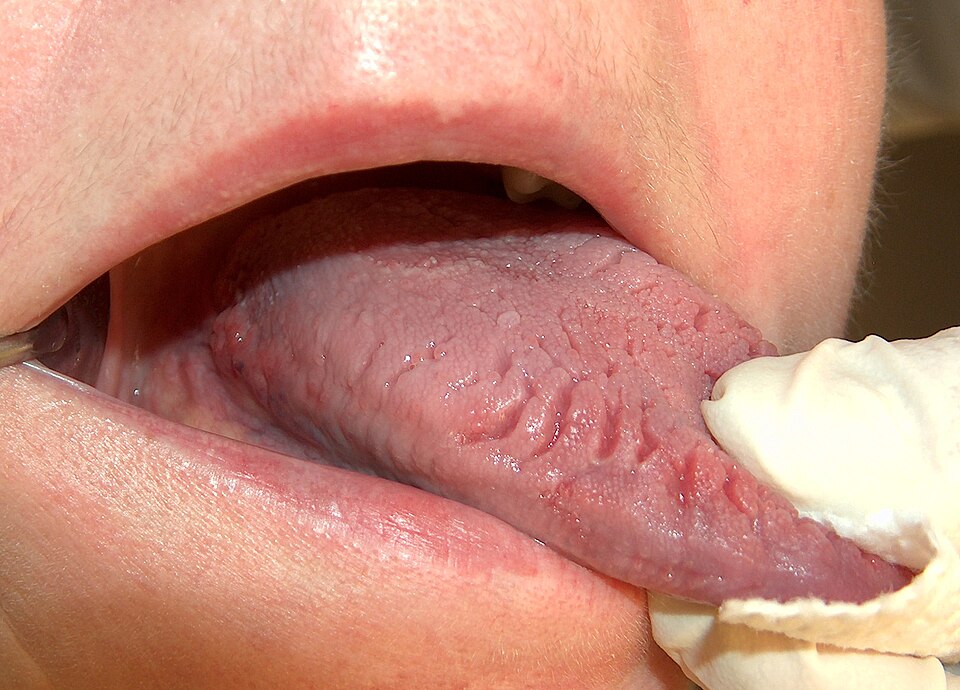
Melkersson-Rosenthal syndrome is a rare neuro-mucocutaneous granulomatous disorder with a classic triad of recurrent orofacial (lip) edema, recurrent peripheral facial nerve palsy, and a fissured tongue (lingua plicata). Proptosis (forward protrusion of the eyeball) is not a feature - it points instead to orbital or thyroid disease. The complete triad is actually seen in only a minority of patients.

So orofacial edema, recurrent facial paralysis and fissured tongue are the three components, and proptosis is the odd one out.

Incorrect Options:

  • Orofacial edema: recurrent non-tender lip and facial swelling, a core feature.
  • Fissured tongue: lingua plicata, the third component of the triad.
  • Recurrent facial paralysis: recurrent peripheral facial nerve palsy, a core feature.

High-Yield Facts:

  • MRS triad: orofacial edema, recurrent facial palsy, fissured tongue.
  • Fissured tongue = lingua plicata.
  • The complete triad is uncommon (often incomplete).
  • Proptosis is not part of MRS.
Tongue with deep grooves and fissures over its dorsal
  surface (lingua plicata)

Figure: A fissured tongue (lingua plicata) - one of the three components of the Melkersson-Rosenthal triad.
Question 2 · INICET May 2026

A patient presents with sudden sensorineural hearing loss (SSNHL). Which of the following regimens is the most effective?

  1. A.Intratympanic steroid injection
  2. B.Oral prednisolone
  3. C.Steroid plus high dose aspirin
  4. D.Gentamicin plus steroid
Show answer and explanation

Answer: B. Oral prednisolone

The correct answer is Oral prednisolone.

SSNHL is defined as a sensorineural loss of at least 30 dB over 3 consecutive frequencies within 72 hours. The mainstay and most effective initial treatment is systemic corticosteroids - high-dose oral prednisolone (about 1 mg/kg/day), started as early as possible. Intratympanic steroid injection is reserved as salvage therapy when systemic steroids fail or are contraindicated.

The other regimens are not standard. Aspirin and gentamicin have no role - gentamicin is in fact ototoxic - so adding them is wrong.

Incorrect Options:

  • Intratympanic steroid injection: used as salvage or second-line, not the most effective first regimen.
  • Steroid plus high dose aspirin: aspirin has no proven benefit and is ototoxic in high doses.
  • Gentamicin plus steroid: gentamicin is ototoxic and has no role in SSNHL.

High-Yield Facts:

  • SSNHL = at least 30 dB SNHL over 3 consecutive frequencies within 72 hours.
  • First-line and most effective = systemic (oral) corticosteroids, about 1 mg/kg.
  • Intratympanic steroids = salvage therapy.
  • Start steroids early for the best recovery.
Question 3 · INICET May 2026

All of the following are features of central nystagmus except:

  1. A.No latency
  2. B.Fatiguability
  3. C.Lasts for more than 2 mins
  4. D.Direction changes in different positions
Show answer and explanation

Answer: B. Fatiguability

The correct answer is Fatiguability.

Central nystagmus (from a brainstem or cerebellar lesion) is non-fatiguable, has no latency, is persistent (lasts more than a couple of minutes), can change direction with gaze or position, and is not suppressed by visual fixation. Fatiguability is the odd one out - it is a feature of peripheral nystagmus, not central.

Peripheral (for example BPPV) nystagmus shows latency, fatigues on repetition, is short-lived, is unidirectional, and is suppressed by fixation - the mirror image of the central pattern.

Incorrect Options:

  • No latency: a true central feature - the nystagmus begins immediately.
  • Lasts for more than 2 mins: central nystagmus is persistent, not transient.
  • Direction changes in different positions: direction-changing nystagmus indicates a central cause.

High-Yield Facts:

  • Central nystagmus: no latency, non-fatiguable, persistent, direction-changing, not suppressed by fixation.
  • Peripheral nystagmus: latency, fatiguable, transient, unidirectional, suppressed by fixation.
  • Fatiguability is a peripheral, not central, feature.
  • Pure vertical or torsional nystagmus suggests a central lesion.
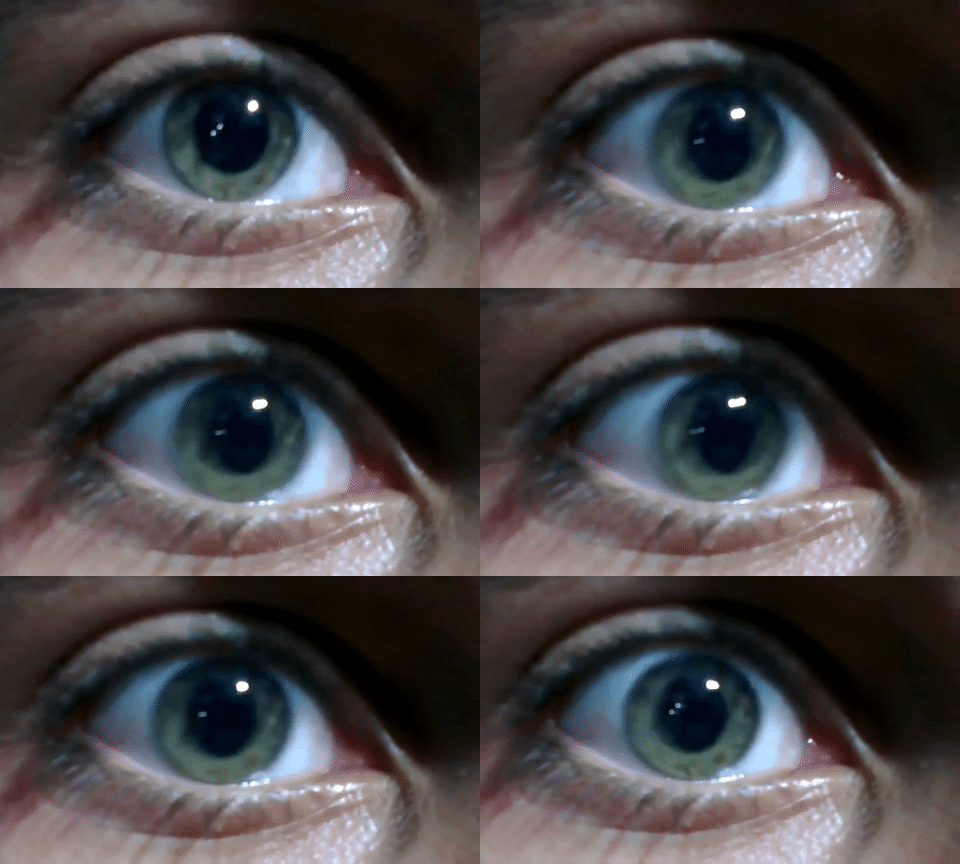
Close-up of an eye showing rhythmic nystagmus eye movements

Figure: Nystagmus. Central nystagmus is non-fatiguable, persistent and direction-changing - unlike fatiguable peripheral nystagmus.

ENT concept guides

Browse the full concept library and clinical image atlas.

Practise the rest: open the Kinase question bank, choose ENT, set the exam to INICET and switch on PYQs only. Build 50-question custom tests to rehearse one 45-minute INICET section.

Frequently Asked Questions

How many INICET ENT PYQs does Kinase have?▼
Kinase has 91 INICET ENT previous year questions from 2018 to 2026, each with an explanation — 2.7% of all INICET PYQs in the bank. There are also 44 NEET-PG ENT PYQs for extra practice.
What are the most-asked ENT topics in INICET?▼
In Kinase's INICET ENT PYQs, the most-asked topics are Ear, Nose, Pharynx. Ear alone accounts for 43 of the 91 questions.
How is INICET ENT marked?▼
Like every INICET subject, ENT questions are +1 for a correct answer and −1/3 for a wrong one. INICET has 200 MCQs in four 45-minute sections of 50, for 200 marks.
Are INICET ENT PYQs different from NEET-PG?▼
Both exams test the MBBS syllabus, so most ENT concepts overlap. INICET is conducted by AIIMS New Delhi twice a year and marked +1 / −1/3; NEET-PG is conducted by NBEMS once a year and marked +4 / −1.
When is the next INICET?▼
INICET November 2026 is on 1 November 2026, with registration from 16 September to 13 October 2026 on aiimsexams.ac.in.
91 ENT PYQs
2018–2026 papers
Topic + year tagged

Ready to Start Practicing?

INICET November 2026 is on 1 November — registration closes 13 October.

Start Free Practice

No credit card required