INICET Pathology Previous Year Questions (2018–2026)

264 INICET Pathology PYQs from 2018 to 2026, tagged by topic, with an explanation for every question. Practise AIIMS-pattern Pathology questions before INICET November 2026.

Last verified: 24 September 2026 against AIIMS New Delhi notices and aiimsexams.ac.in.

Quick Answer

Kinase has 264 INICET Pathology PYQs from 2018 to 2026 — 7.9% of all INICET PYQs in the bank. The most-asked topic is General Pathology (107 questions). INICET is marked +1 / −1/3, so a blind guess is worth nothing on average.

Pathology in INICET at a glance

INICET Pathology PYQs on Kinase264 (7.9% of all INICET PYQs)
Years covered2018–2026
Marking+1 correct, −1/3 wrong
NEET-PG Pathology PYQs on Kinase120

Most-asked Pathology topics in INICET PYQs

TopicINICET PYQsShare of subject
General Pathology10741%
Hematopathology8231%
Gastrointestinal System187%
Genitourinary System145%
Respiratory System145%

Across NEET PG and INI-CET papers: Most repeated Pathology topics →

Sample INICET Pathology PYQs with answers

Question 1 · INICET May 2026

Long-standing chronic inflammation leads a patient to develop secondary (reactive) amyloidosis. Which amyloid protein is characteristically deposited?

  1. A.Transthyretin (ATTR)
  2. B.AL (immunoglobulin light chain)
  3. C.AA (amyloid associated) protein
  4. D.Beta 2 microglobulin
Show answer and explanation

Answer: C. AA (amyloid associated) protein

The correct answer is AA (amyloid associated) protein.

Secondary (reactive) amyloidosis is driven by chronic inflammation. Sustained inflammatory activity makes the liver overproduce Serum Amyloid A (SAA), an acute-phase reactant. Persistently elevated SAA is cleaved and deposited extracellularly as insoluble AA fibrils, most prominently in the kidney, where proteinuria and nephrotic syndrome are the leading cause of morbidity. Classic triggers include rheumatoid arthritis, inflammatory bowel disease, chronic infections such as tuberculosis, osteomyelitis and bronchiectasis, and Familial Mediterranean Fever.

The closest distractor is AL. Both are systemic amyloidoses, but AL arises from monoclonal immunoglobulin light chains in a plasma-cell dyscrasia, a clonal rather than inflammatory process. The discriminator is the source protein: chronic inflammation points to SAA and AA, whereas a plasma-cell clone points to light chains and AL.

Incorrect Options:

  • AL (immunoglobulin light chain): Derived from monoclonal light chains in plasma-cell dyscrasia or multiple myeloma (primary amyloidosis), not from inflammation.
  • Transthyretin (ATTR): Causes senile cardiac amyloidosis (wild-type) and hereditary familial amyloid polyneuropathy or cardiomyopathy (mutant), unrelated to chronic inflammation.
  • Beta-2 microglobulin: Causes dialysis-related amyloidosis in long-standing renal failure, depositing in the carpal tunnel and joints.

High-Yield Facts:

  • AA amyloid is derived from SAA, a liver-made acute-phase reactant.
  • All amyloid stains Congo red and shows apple-green birefringence under polarized light.
  • AA amyloidosis most commonly presents with renal involvement and proteinuria.
  • Familial Mediterranean Fever is the classic genetic cause of AA amyloidosis.
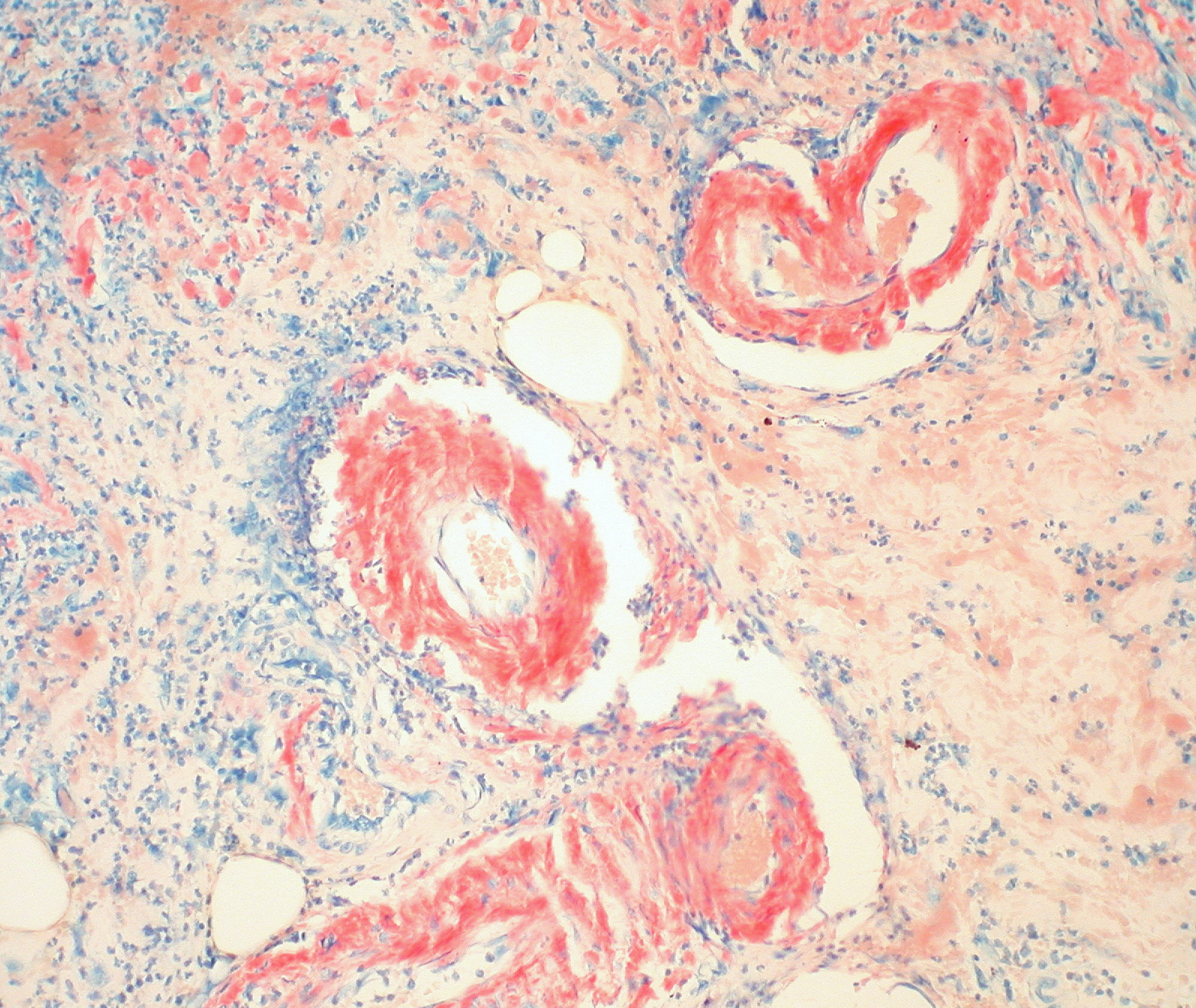
Congo red stained
  tissue showing salmon-red amyloid deposits in vessel walls on light microscopy

Figure 1: Congo red stain - amyloid in vessel walls appears salmon to brick-red on standard light microscopy.
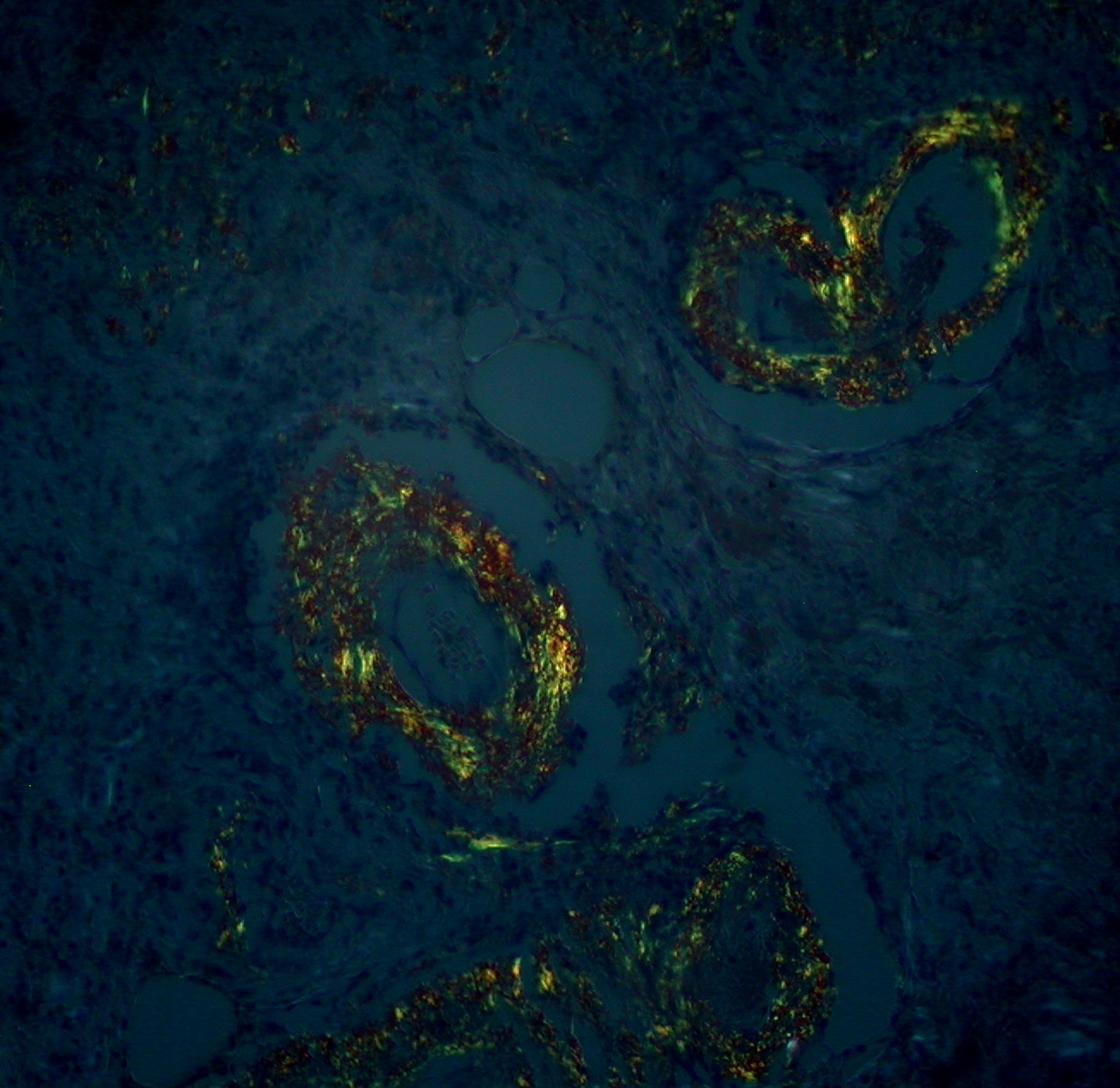
The same amyloid deposits viewed under crossed polarizers showing apple-green birefringence

Figure 2: Same field under crossed polarizers - amyloid shows pathognomonic apple-green birefringence.
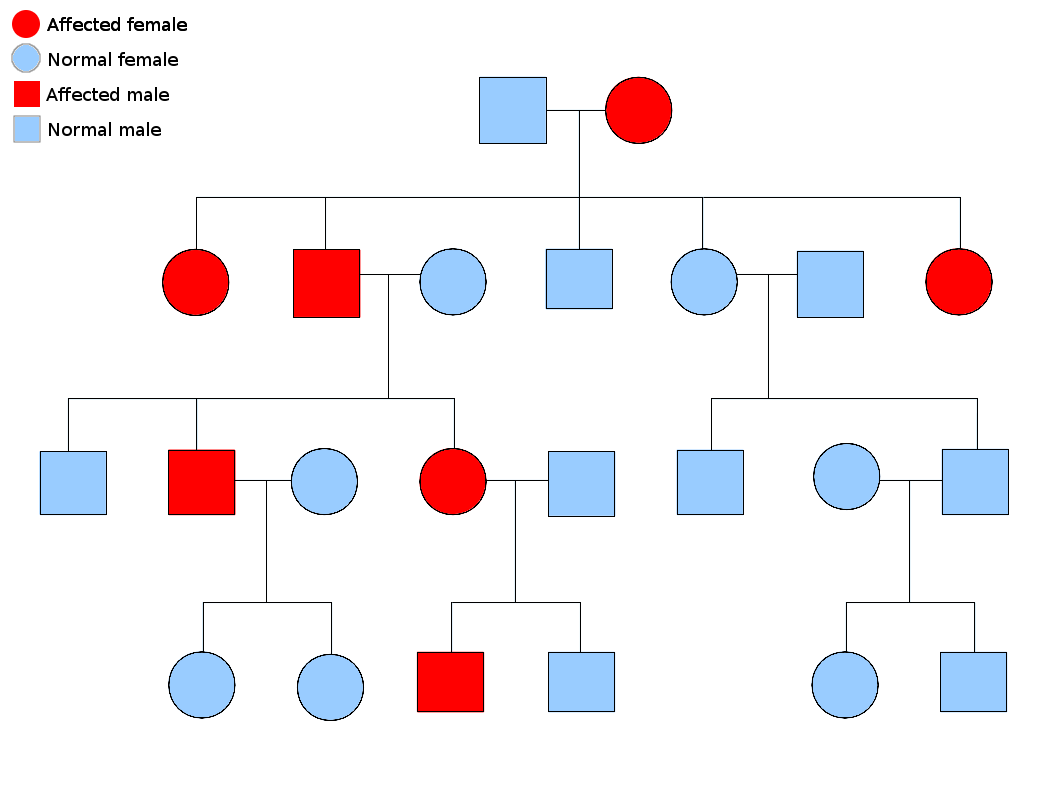
Question 2 · INICET May 2026

In a hereditary disorder, how does incomplete penetrance of a gene typically manifest on a pedigree chart?

  1. A.Only females are affected
  2. B.No individual is affected
  3. C.A generation is skipped
  4. D.Multiple affected in one generation
Show answer and explanation

Answer: C. A generation is skipped

The correct answer is A generation is skipped.

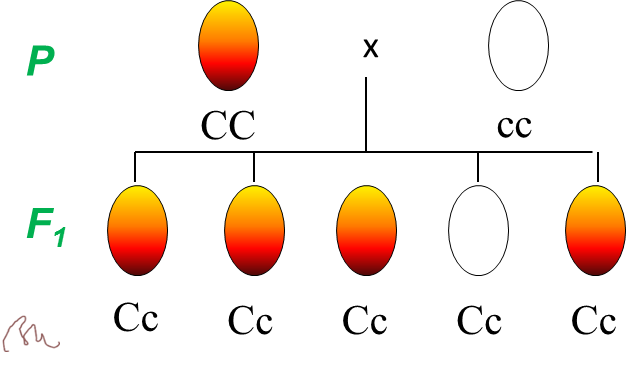
Penetrance is the proportion of individuals carrying a disease genotype who actually express the phenotype. With incomplete (reduced) penetrance, some genotype-positive individuals remain phenotypically normal. Such an unaffected obligate carrier can still transmit the mutant allele to offspring, who then express the disease. On a pedigree this gives an affected grandparent and an affected grandchild with a phenotypically normal parent in between, so the trait appears to skip a generation. Penetrance is an all-or-none property (expressed or not), which distinguishes it from variable expressivity, the differing severity among those who do express the trait.

The closest distractor is "multiple affected in one generation". That vertical, every-generation pattern reflects a fully penetrant autosomal dominant trait, whereas the apparent generation skip via an unaffected carrier is the feature that specifically reveals reduced penetrance.

Incorrect Options:

  • Multiple affected in one generation: Describes the vertical, every-generation transmission of fully penetrant autosomal dominant inheritance, not the skip caused by reduced penetrance.
  • Only females are affected: Implies an X-linked or sex-limited pattern, unrelated to penetrance, which affects both sexes equally.
  • No individual is affected: Represents complete non-penetrance or absence of the allele, not the partial expression seen with incomplete penetrance.

High-Yield Facts:

  • Penetrance is all-or-none, whereas expressivity describes severity.
  • Incomplete penetrance makes a dominant trait appear to skip a generation.
  • An unaffected obligate carrier can still transmit the mutant allele.
  • Polydactyly is a classic example of incomplete penetrance.
Diagram of a CC parent
  crossed with a cc parent producing Cc offspring, one of whom is unshaded, showing the genotype is present but not expressed

Figure 1: Incomplete penetrance - a genotype-positive (Cc) individual remains unaffected (white) and can silently transmit the allele.

Standard pedigree chart with a legend, squares for males
  and circles for females, filled symbols marking affected individuals across several generations

Figure 2: Standard pedigree chart - squares are males, circles females, filled symbols affected. An unaffected person linking two affected generations signals a skipped generation.

Question 3 · INICET May 2026

In tumour biology, what does the term "oncogene addiction" describe?

  1. A.Immune checkpoint evasion of immunity
  2. B.Dependence on multiple tumor suppressors
  3. C.Oncogene expression limited to embryogenesis
  4. D.Dependence on a single oncogenic pathway
Show answer and explanation

Answer: D. Dependence on a single oncogenic pathway

The correct answer is Dependence on a single oncogenic pathway.

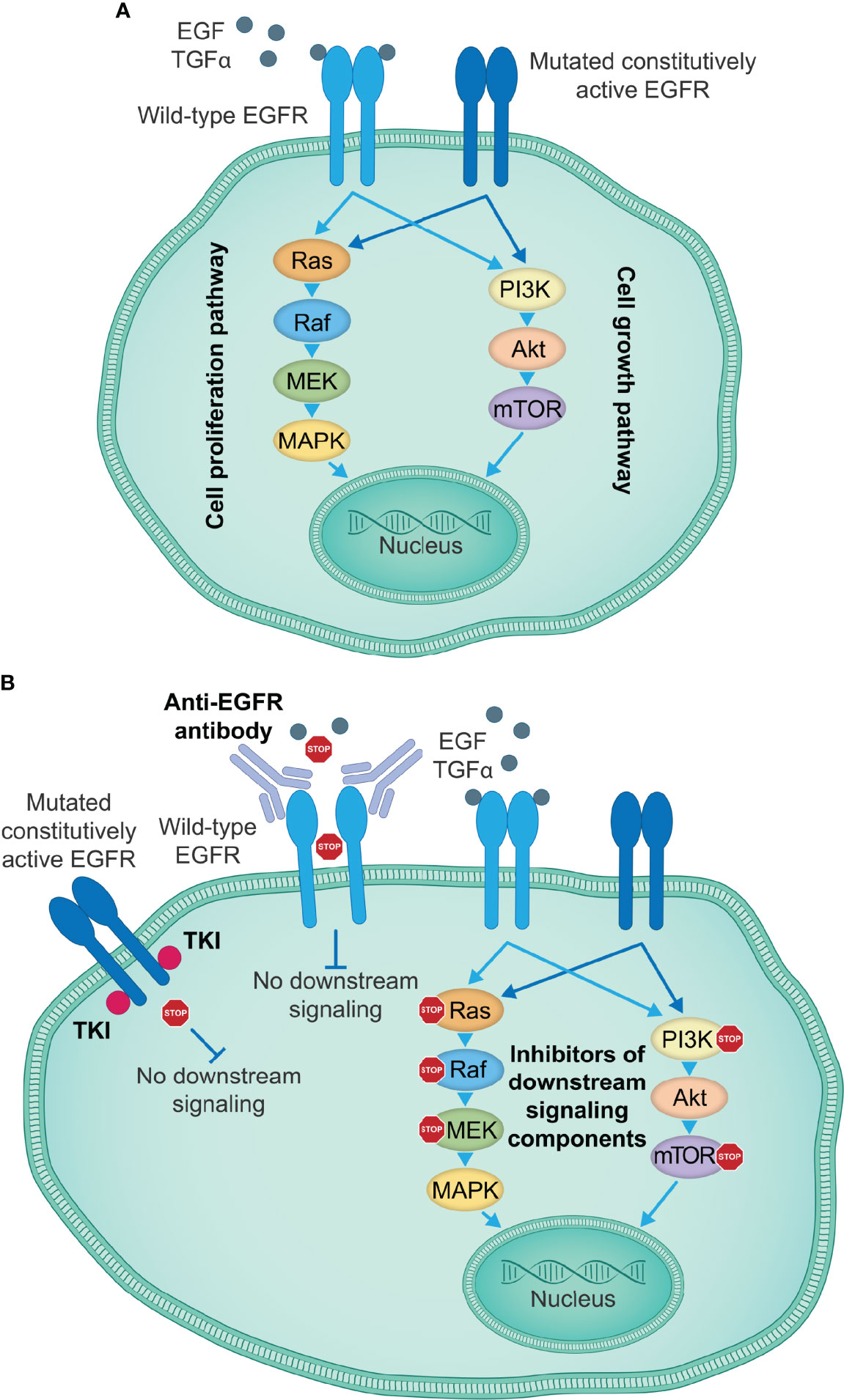
Oncogene addiction (a term coined by Bernard Weinstein) is the phenomenon whereby a cancer cell, despite harbouring many genetic lesions, becomes critically dependent on the continued activity of one dominant activated oncogene or oncogenic pathway for its proliferation and survival. Acutely inhibiting that single driver tilts the balance toward apoptosis, which is the rationale for molecular targeted therapy. Classic examples are CML addicted to BCR-ABL (treated with imatinib), HER2-amplified breast cancer (trastuzumab), and EGFR-mutant lung cancer (gefitinib or erlotinib).

The closest distractor is "dependence on multiple tumor suppressors". It mirrors the survival-dependence wording but is wrong on two counts. Oncogene addiction is a gain-of-function dependence on one oncogene, not loss of several tumor suppressor genes, and it is dependence on a single driver rather than multiple genes.

Incorrect Options:

  • Dependence on multiple tumor suppressors: Oncogene addiction is gain-of-function reliance on one oncogene, not loss of several tumor suppressor genes.
  • Immune checkpoint evasion of immunity: Describes immune evasion, a separate cancer hallmark targeted by checkpoint inhibitors, not oncogene addiction.
  • Oncogene expression limited to embryogenesis: Oncogenes are abnormally activated in somatic tumour cells, not confined to embryonic development.

High-Yield Facts:

  • The term oncogene addiction was coined by Bernard Weinstein.
  • BCR-ABL in CML, targeted by imatinib, is the prototype.
  • Addiction to a single driver is the basis of targeted therapy.
  • Acquired resistance (e.g., BCR-ABL T315I) eventually limits targeted therapy.
Two-panel schematic. Panel A shows mutated constitutively active EGFR driving the RAS-RAF-MEK-MAPK and PI3K-AKT-mTOR pathways to the nucleus.
  Panel B shows an anti-EGFR antibody, a tyrosine kinase inhibitor, and downstream inhibitors blocking that pathway

Figure: An oncogene-addicted cell depends on one driver pathway (EGFR, panel A). Targeted agents - anti-EGFR antibody, TKI and downstream inhibitors - block that single pathway (panel B).

Pathology concept guides

Pathology images to recognise

Browse the full concept library and clinical image atlas.

Practise the rest: open the Kinase question bank, choose Pathology, set the exam to INICET and switch on PYQs only. Build 50-question custom tests to rehearse one 45-minute INICET section.

Frequently Asked Questions

How many INICET Pathology PYQs does Kinase have?▼
Kinase has 264 INICET Pathology previous year questions from 2018 to 2026, each with an explanation — 7.9% of all INICET PYQs in the bank. There are also 120 NEET-PG Pathology PYQs for extra practice.
What are the most-asked Pathology topics in INICET?▼
In Kinase's INICET Pathology PYQs, the most-asked topics are General Pathology, Hematopathology, Gastrointestinal System. General Pathology alone accounts for 107 of the 264 questions.
How is INICET Pathology marked?▼
Like every INICET subject, Pathology questions are +1 for a correct answer and −1/3 for a wrong one. INICET has 200 MCQs in four 45-minute sections of 50, for 200 marks.
Are INICET Pathology PYQs different from NEET-PG?▼
Both exams test the MBBS syllabus, so most Pathology concepts overlap. INICET is conducted by AIIMS New Delhi twice a year and marked +1 / −1/3; NEET-PG is conducted by NBEMS once a year and marked +4 / −1.
When is the next INICET?▼
INICET November 2026 is on 1 November 2026, with registration from 16 September to 13 October 2026 on aiimsexams.ac.in.
264 Pathology PYQs
2018–2026 papers
Topic + year tagged

Ready to Start Practicing?

INICET November 2026 is on 1 November — registration closes 13 October.

Start Free Practice

No credit card required