A 4-year-old boy has had a constant inward turning of the right eye since infancy. Vision in the right eye is reduced and does not improve with glasses, yet the cornea, lens, retina and optic nerve are all normal on examination. What best explains the poor vision in the deviating eye?
- A.Optic nerve hypoplasia
- B.Refractive amblyopia
- C.Retinal dysplasia
- D.Strabismic amblyopia
Show answer and explanation
Answer: D. Strabismic amblyopia
Correct answer: D. Strabismic amblyopia from active cortical suppression.
When one eye deviates, the two retinal images cannot fuse and the child would experience double vision. To avoid diplopia the visual cortex actively suppresses the image from the deviating eye. If this suppression persists through the sensitive period of visual development, that eye never develops normal acuity, producing strabismic amblyopia with no structural lesion. Treatment is occlusion (patching) or penalisation of the sound eye to force use of the amblyopic one.
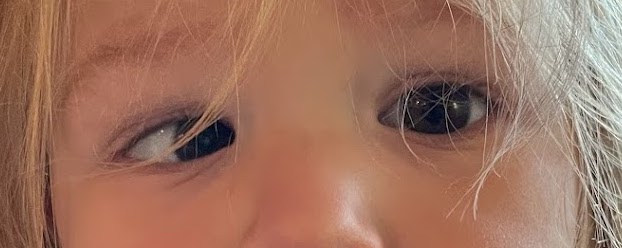
Esotropia in a child: the constant eye turn drives strabismic amblyopia.
Incorrect Options:
- Optic nerve hypoplasia is an organic, small and underdeveloped disc that itself limits vision.
- Refractive amblyopia arises from large uncorrected or unequal refractive error, not from an eye turn, and is managed mainly with correct spectacles.
- Retinal dysplasia is a structural maldevelopment of the retina, an organic cause excluded by the normal fundus here.
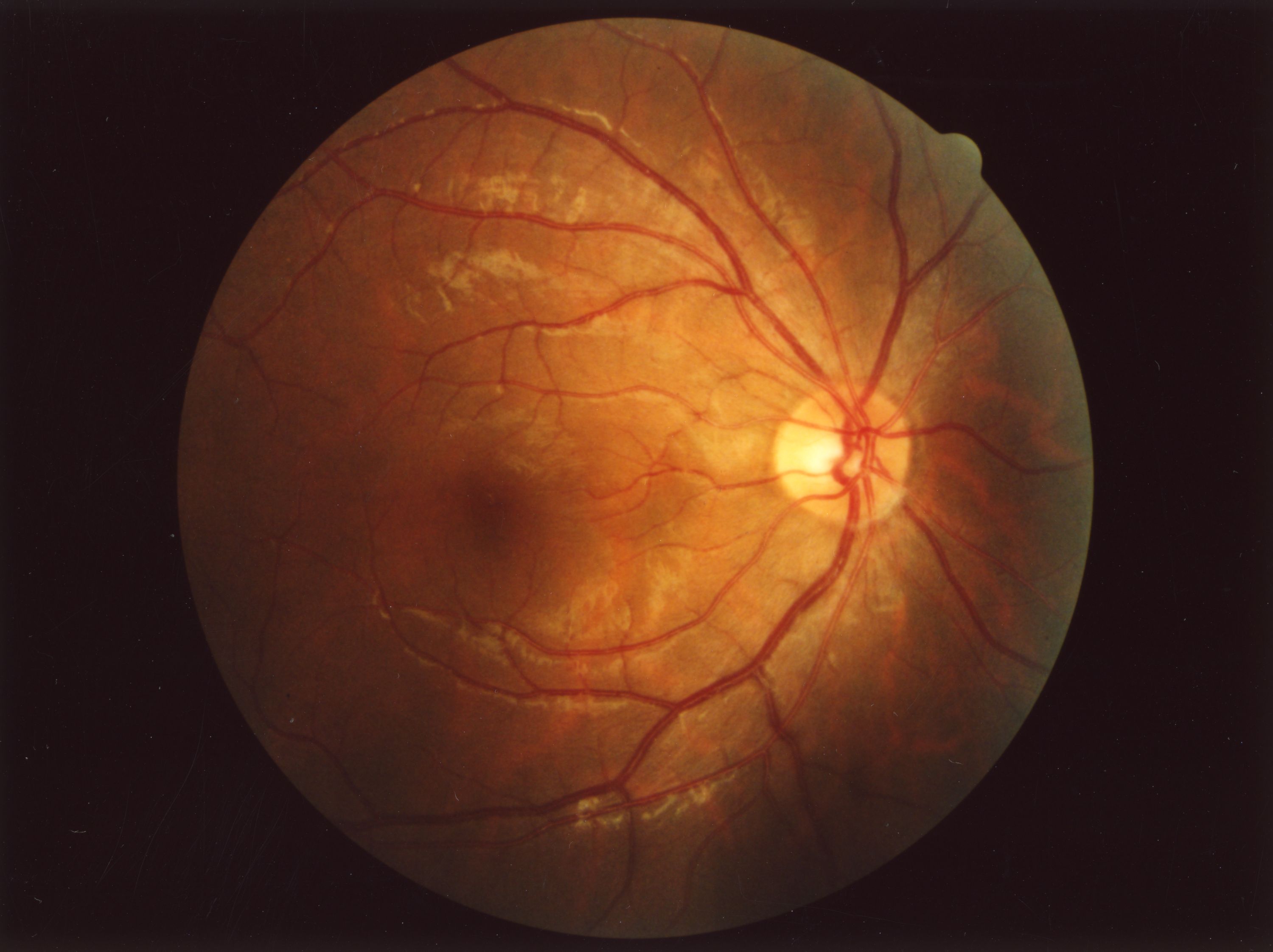
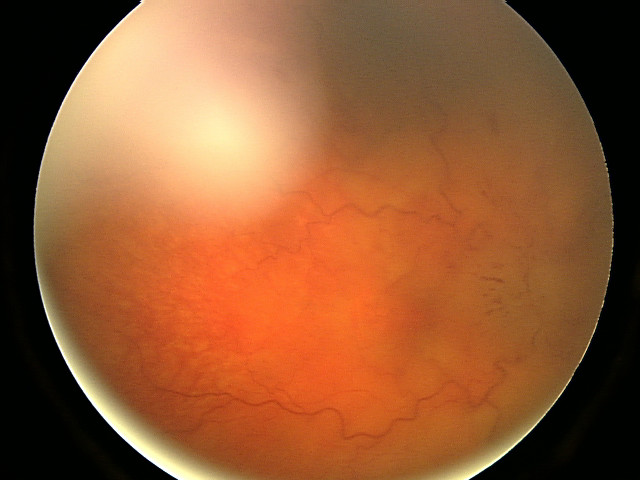
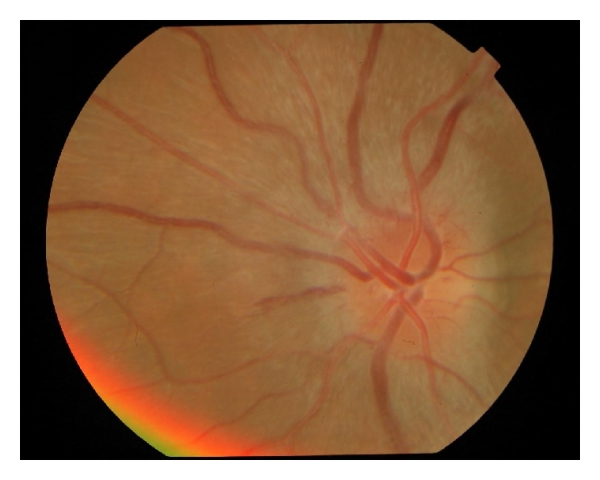
Optic disc on fundoscopy; in hypoplasia the disc is abnormally small with a double-ring sign.
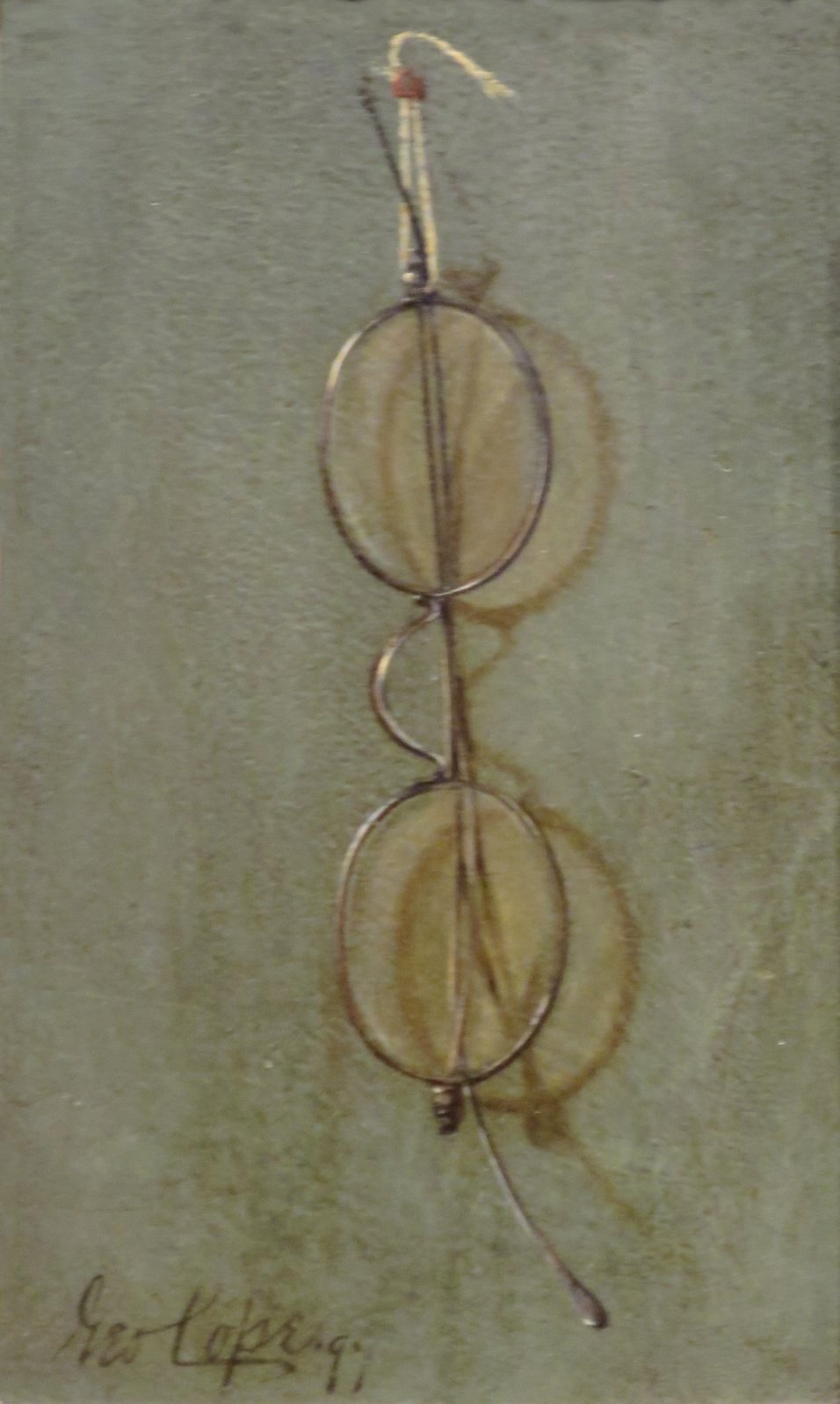
Correcting refractive error with spectacles is central to treating refractive amblyopia.
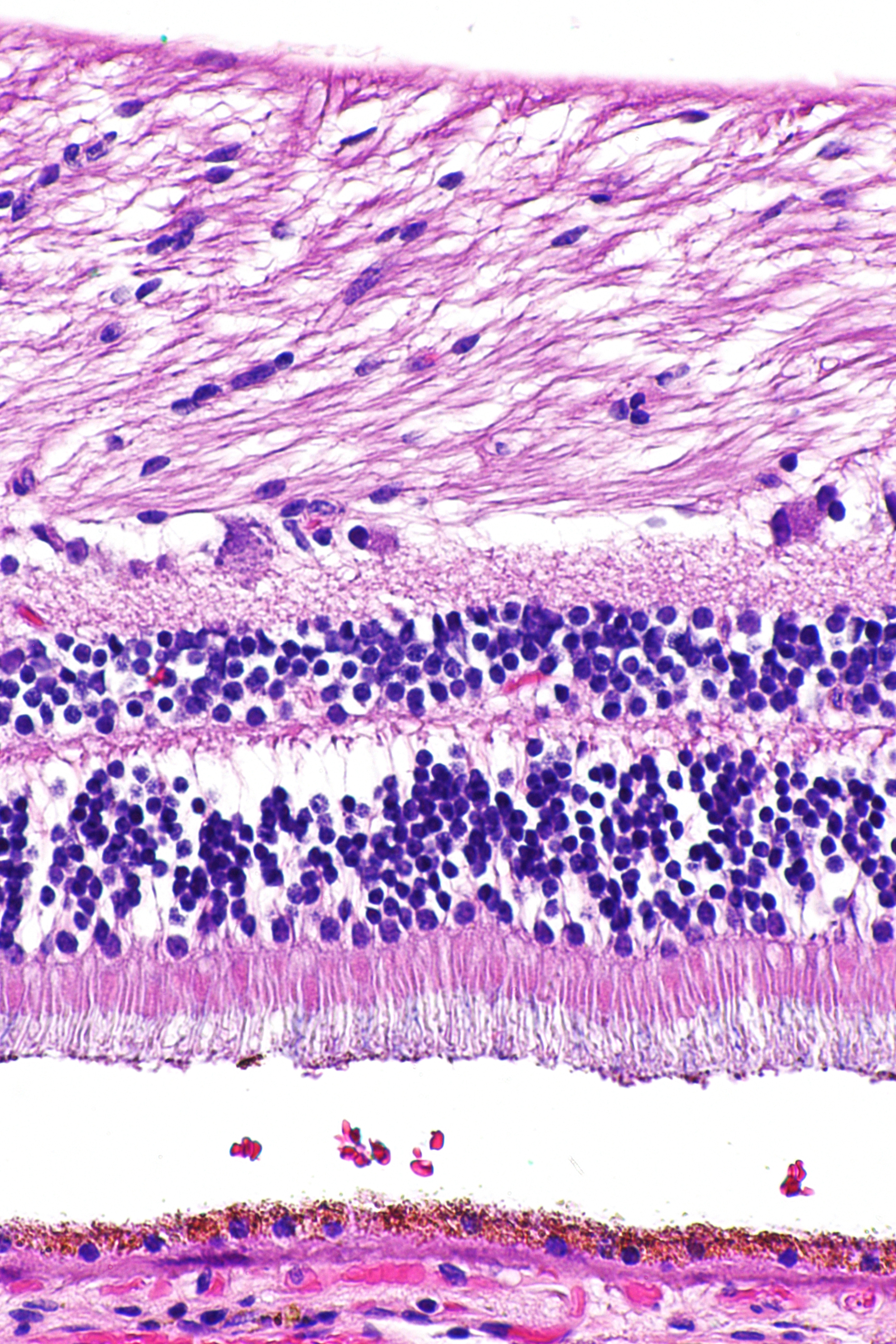
Retinal histology; dysplasia shows disorganised layers and rosette formation.
High-Yield Facts:
- Strabismic amblyopia is functional, with a structurally normal eye.
- The brain suppresses the deviating eye to avoid diplopia.
- Earlier treatment within the sensitive period gives better recovery.
- Patching the sound eye is the standard therapy.